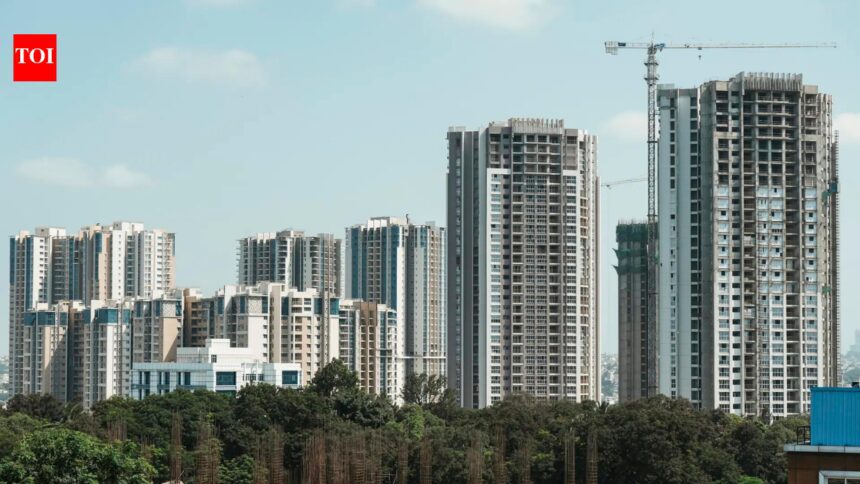

A viral social media post by software engineer Shravan Venkataraman has sparked a broader discussion on the dynamics of resident welfare associations (RWAs), the regulations governing housing societies, and the generational divides in urban living. In a thread on X, Venkataraman cautioned young couples and singles against buying apartments in high-rise communities, suggesting that many of these developments are often managed by overly controlling RWAs, primarily run by older residents who demonstrate increasingly unreasonable behavior.
Venkataraman expressed concern over how minor disruptions to their established norms often lead these residents to impose strict rules regarding behavior within the community. “Any slight inconvenience to their worldview being caused by anyone or any family in the society results in them imposing their views on how one should live in a home they are renting or owning,” he wrote, pointing out how committees can disrupt resident lives through excessive regulation on guests and community interactions.
He shared a personal experience from his housing society in Hyderabad, where following a burglary, he sought help in obtaining CCTV footage via the residents’ WhatsApp group, only to discover that the cameras were malfunctioning. In addressing the security concern, Venkataraman proposed that residents consider installing personal security cameras. However, instead of acknowledging the lapse, senior members of the RWA called him to the clubhouse to reprimand him for raising the issue publicly.
“Next day the president and vice president of RWA called me to the clubhouse… Instead, they called me and started shouting at me about how I could post such complaints on the residents’ group,” he recalled, recounting a scenario where he faced backlash for expressing his concerns rather than receiving assistance. Following the incident, he left the WhatsApp group after a committee member sarcastically dismissed his complaint.
The post resonated with many netizens, who echoed similar grievances about excessive monitoring and micromanagement in gated communities. Users highlighted issues related to visitor restrictions, scrutiny of tenants, moral policing, and security personnel profiling guests. One commenter stated that older residents in their own communities even objected to children playing outside. While several users identified with Venkataraman’s experiences, some dismissed his post as simply a complaint against the inherent rules of apartment living.
Another user articulated a broader concern: “It’s not just about rules or old people; high-rise clusters have high monthly maintenance, are heading towards severe water shortages, and contribute to traffic congestion and pollution. Why does the government encourage high-rise clusters when we could develop horizontally?” This ongoing dialogue suggests a substantial division in perspectives regarding community living dynamics and the regulatory landscape shaping urban residential life.