
Recent developments in the Cockroach Janta Party movement have showcased the complicated relationship between Indian Muslims and broader civic movements, highlighting both participation and hesitation due to historical discrimination and state intimidation. This ongoing dynamic raises critical questions about community engagement and collective action in the face of adversity.
The Evolution of the Cockroach Janta Party Movement
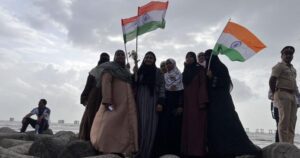
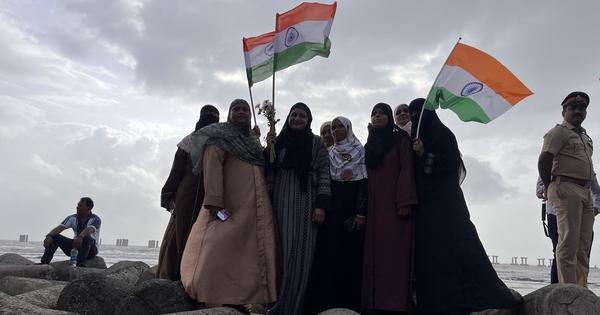
The Cockroach Janta Party movement has been marked by a growing number of participants who, despite facing potential risks, engage passionately in its efforts. This surge appears not only among individual Muslims but also across various segments of society, igniting debates about social accountability and democracy. Nonetheless, established Muslim organizations and leaders often exhibit a level of caution, contemplating their active involvement in light of a history marked by state surveillance and communal violence.
Such skepticism is compounded by historical precedents where Muslim support for movements has led to further marginalization and has, at times, inadvertently aided the rise of politically adversarial parties. Comments from seasoned analysts emphasize a wariness about the undefined ideology of the Cockroach Janta Party, which they argue could be susceptible to co-option or political instrumentalization, echoing events from earlier anti-establishment movements.
Pressure of State Intimidation
The specter of state intimidation looms large over many segments of the Muslim community in India. This has historically resulted in a hesitance to engage with civic movements unless the risk levels are perceived as manageable. While ordinary Muslims have eagerly participated in demonstrations—exemplified by figures like Muhammad Junaid, who faced detainment for his activism—many community leaders remain cautious, fearing repercussions that could threaten their safety or that of their organizations.
The absence of organized Muslim participation has, in some instances, served as a double-edged sword. On one hand, it keeps movements focused on critical issues rather than devolving into sectarian disputes. Yet, on the other hand, it risks being viewed as a tactical retreat, a sidelining of a community that already faces ongoing economic and social exclusions.
Building Bridges Towards Engagement
The engagement of younger Muslims indicates a shifting paradigm within the community. There is a growing willingness to emphasize broader democratic principles over specifically defined communal interests. These individuals are asking more critical questions about justice and accountability, revealing an inclination towards collective civic engagement as a pathway to influence rather than merely defending community interests.
This evolving consciousness could facilitate a more embedded role for Muslims in shaping India’s democratic future. However, the risk remains that waiting too long for clarity or consensus may result in missed opportunities to affect change. Senior leadership in the community has a pivotal role to play in fostering an environment that encourages responsible participation while maintaining the historical caution born from previous experiences of marginalization.
Why It Matters
The dynamics surrounding the Cockroach Janta Party movement serve as a microcosm for larger issues of representation and participation in democratic processes. For technology practitioners, including AI developers and users, the implications are significant. Initiatives aiming to facilitate civic engagement or encourage minority participation must navigate existing social tensions while promoting inclusivity. The challenges presented by state surveillance and community distrust of organized movements are factors that need to be critically analyzed in the design and implementation of civic technologies. A nuanced understanding of these social dynamics can lead to innovations that prioritize transparency, security, and community empowerment.
Frequently Asked Questions
What is the Cockroach Janta Party movement?
The Cockroach Janta Party movement is a nascent civic movement in India focusing on democratic accountability and social justice, although its ideology and direction remain somewhat undefined.
How has state intimidation affected Muslim participation in civic movements?
State intimidation has historically led to caution among Muslim organizations and leaders, resulting in hesitance to participate actively in movements due to fears of repercussion and marginalization.
What is the significance of youth involvement in democratic movements?
Younger Muslims are increasingly focusing on broader democratic principles rather than solely community-specific interests, potentially leading to a more inclusive democratic discourse and engagement.
Why is organizational absence potentially beneficial for the movement?
The lack of a highly visible Muslim organizational presence has prevented the state from diverting the focus from essential demands to sectarian issues, maintaining the movement’s core objectives.