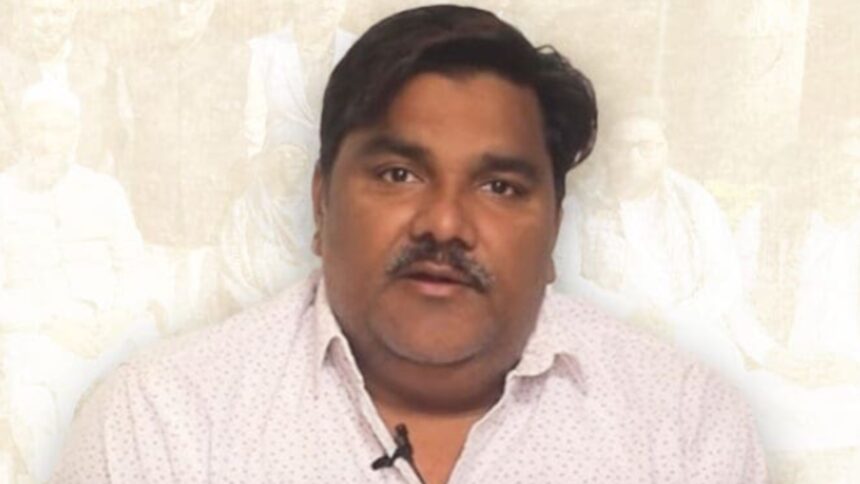

Tahir Hussain, a former councillor with the Aam Aadmi Party, has challenged his life sentence for the murder of Intelligence Bureau staffer Ankit Sharma during the violent clashes in Northeast Delhi in February 2020. His appeal raises serious questions about the nature of the investigation, alleging biases that reflect broader patterns of discrimination against Muslims in India.
Context of the Violence
The February 2020 riots in Northeast Delhi were a grim consequence of escalating tensions surrounding the Citizenship Amendment Act (CAA), which many critics argue discriminates against Muslims. Amid the protests, the clashes resulted in the deaths of at least 53 individuals, predominantly Muslims, and raised alarms about state-sponsored violence and the role of political parties in exacerbating communal strife. Ankit Sharma was killed during this turmoil, with his body later discovered in a drain, highlighting the gruesome realities of the violence.
Legal Proceedings and Allegations
Hussain was convicted on July 13, 2020, of murder and rioting and subsequently sentenced to life imprisonment on July 31. Despite being acquitted of conspiracy and related charges, his conviction hinged on Section 149 of the Indian Penal Code, which addresses unlawful assembly. In his appeal scheduled for hearing next week, he argues that the investigation was flawed and politically motivated, aimed at assuaging public anger over the violence by scapegoating him.
Central to Hussain’s defense is his assertion that the FIR was “ante-dated and ante-timed,” suggesting that key elements of the case were manipulated to support a predetermined narrative. He also claims significant gaps in the investigation process and disputes the credibility of the prosecution’s witnesses, who he labels as “planted.” This assertion not only questions the integrity of the legal framework but also reflects a common sentiment among marginalized groups in India regarding the justice system.
Impact on Muslim Communities
The handling of the 2020 riots and subsequent legal actions against Muslim individuals like Hussain form part of a larger narrative of social exclusion and economic marginalization faced by Muslims in India. Numerous instances of discrimination have been reported, with many community leaders asserting that the current political climate encourages hostility towards Muslims. Such situations have created an environment where Muslims often feel they are treated as second-class citizens, leading to wider socio-economic repercussions.
Moreover, the implications of Hussain’s case extend beyond the individual. It raises critical concerns about political accountability, media portrayal of communal issues, and the systemic biases within the law enforcement apparatus. The repercussions of such incidents contribute to an ongoing atmosphere of fear and anxiety within Muslim communities, which affects their socio-economic opportunities.
Why It Matters
The case of Tahir Hussain is part of a critical discourse around law and minority rights within India. The implications for the Muslim community, and indeed for governmental accountability, reverberate far beyond one individual’s situation. As global audiences engage with India’s evolving social and political landscape, the experiences of marginalized groups serve as a critical lens through which we can evaluate the state of democracy and human rights in the country. The responses by the judiciary, civil society, and the government will be pivotal in shaping future interactions between state and community, especially concerning issues of justice and equity.
Frequently Asked Questions
What led to the riots in Northeast Delhi in February 2020?
The riots were largely triggered by protests against the Citizenship Amendment Act, which many perceived as discriminatory towards Muslims, escalating communal tensions in the area.
What are the charges against Tahir Hussain?
Tahir Hussain has been convicted of murder and rioting in connection with the death of Ankit Sharma during the Delhi riots, although he was acquitted of conspiracy charges.
What does Section 149 of the Indian Penal Code entail?
Section 149 pertains to unlawful assembly and can hold individuals accountable for offenses committed by a group with a shared objective, which can complicate the legal defense for those charged under this section.
How does Hussain’s case reflect broader issues facing Indian Muslims?
Hussain’s case exemplifies pervasive discrimination and social marginalization faced by Muslims in India, highlighting concerns over investigative biases and the politicization of justice.