
Protests Erupt in Madhya Pradesh Over Waqf Board Appointments
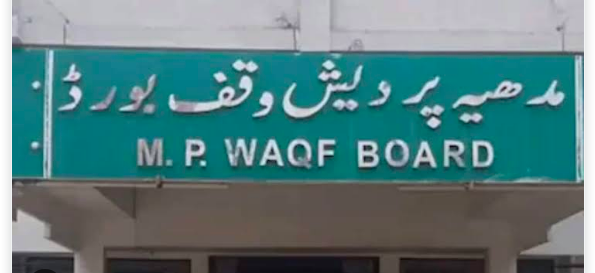
Muslim organizations in the BJP-ruled Indian state of Madhya Pradesh are voicing strong opposition to the appointment of Hindu members to the state Waqf Board. This move is seen as a significant interference in Muslim religious affairs, prompting protests and legal threats of Supreme Court challenges.
Background of the Waqf Board Controversy
The conflict ignited following the reconstitution of the Madhya Pradesh Waqf Board under an amended Waqf law, which now includes non-Muslim members. Protesters gathered at Budhwara Square in Bhopal, demanding that these appointments be rescinded. Waqf institutions are traditionally responsible for managing properties dedicated by Muslims for religious, educational, and charitable purposes. The protesters argue that the administration of these institutions should remain solely within the Muslim community.
Community Response and Political Reactions
Local leaders and community members are condemning this unprecedented inclusion of non-Muslims in the Waqf Board. Shamshul Hasan, a key figure from the All India Muslim Tyohar Committee, emphasized that Waqf is a religious and social institution for Muslims, and the appointments of non-Muslim members are entirely unacceptable. Congress legislator Arif Masood echoed these sentiments, pointing out the contradiction of the state government’s actions given the pending legal challenges to the amended Waqf law before the Supreme Court.
The Broader Context of the Waqf (Amendment) Act, 2025
This controversy occurs within a larger framework of resistance by Muslim organizations against the Waqf (Amendment) Act, 2025, enacted by the BJP-led government. This legislation has prompted legal challenges on grounds that it infringes on the constitutional rights of Muslims to manage their own endowments, including mosques, shrines, and educational institutions. Protesters argue that these governmental actions are not only unjust but serve to undermine the community’s autonomy over its religious affairs.
Why It Matters
The current situation in Madhya Pradesh serves as a pivotal moment in the ongoing discourse about religious rights and community autonomy in India. The incorporation of non-Muslim members into the Waqf Board raises significant questions regarding the jurisdiction and governance of religious institutions within a secular constitution. For the AI industry and developers focused on social justice and community rights, this event highlights the importance of contextual understanding when evaluating policies affecting marginalized groups. The implications may influence future legal frameworks addressing community governance and religious institutions.
Frequently Asked Questions
What is a Waqf Board?
A Waqf Board is a legal entity that manages waqf properties—assets dedicated by individuals for religious, educational, or charitable purposes within the Muslim community.
Why are the protests occurring?
The protests are in response to the appointment of non-Muslim members to the Madhya Pradesh Waqf Board, which many Muslims view as an infringement on their religious autonomy and traditional management practices.
What is the Waqf (Amendment) Act, 2025?
The Waqf (Amendment) Act, 2025 is legislation that redefines the governance structure of waqf properties in India, and it has faced opposition for allegedly infringing on the rights of Muslims to manage their own religious endowments.
What legal actions are being taken against these appointments?
Muslim organizations are planning to challenge the recent appointments before the Supreme Court, citing ongoing legal disputes related to the amended Waqf law.