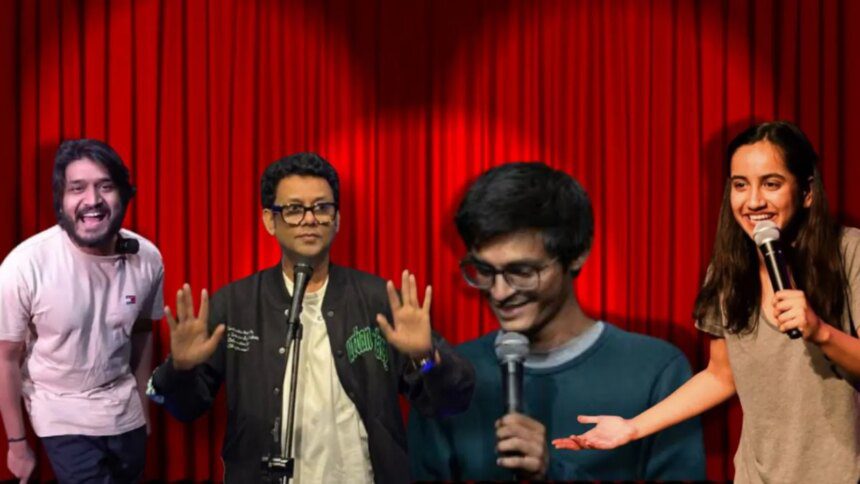

As society grapples with increasing discrimination against Muslims in India, a new wave of comedians is using humor as a tool to confront bigotry and challenge stereotypes. These performers effectively navigate a landscape fraught with tension, using laughter to transform the narrative surrounding their identity and lived experiences.
Humor in the Face of Discrimination
The rising trend of Muslim comedians in India reflects a significant cultural shift. Comedians like Nasif Akhtar, Mohd Sohel, and Urooj Ashfaq are not just entertainers; they are social commentators. Akhtar’s quick-thinking response during a show, where he turned an interjection of ‘Jai Shree Ram’ into a moment of humor for everyone, exemplifies this. By cleverly countering attempts at disruption, Akhtar diffused potential tension and reinforced the power of humor in navigating discrimination.
Sohel’s approach to humor also demonstrates this trend. He cleverly uses self-deprecating jokes around Muslim identity, which resonate with his audience. Meanwhile, Urooj Ashfaq addresses pervasive stereotypes, such as the distrust of Muslims, through ironic storytelling, ensuring the audience laughs while also examining deep-seated prejudices. These narratives promote not only awareness but also solidarity among diverse audience members.
Censored Yet Courageous: The Challenges Ahead
Despite their successes, Muslim comedians operate in a constrained environment where political correctness often clashes with freedom of expression. Many face backlash over their content and self-censor to avoid controversy. For instance, Munawar Faruqi’s experience of being jailed for a joke illustrates the thin line these artists walk. Rehman Khan, another comedian, maintains that both religion and politics are off-limits due to the increasing sensitivity within society.
This atmosphere of fear influences how comics approach their performances, often restricting their sets to safer topics. Sohel acknowledges the need for caution, emphasizing that even humor about their own community can elicit offense from within. This cautious approach demonstrates the precarious position of Muslim comedians, who continue to challenge norms while navigating societal backlash.
Reflection and Resilience: The Role of Comedy
The humor employed by these comedians does more than entertain; it reflects a deeper resilience against marginalization. Rehman Khan cleverly comments on stereotypes surrounding his community, transforming perceived vulnerabilities into strengths through comedy. His observation that the foodie culture in Muslim neighborhoods is a testament to their vibrancy flips the narrative on unemployment and uneducation within the community.
Comedians like Ashfaq and Sohel draw upon personal experiences, translating them into relatable humor that resonates with wider audiences while holding a mirror to their own people. This dual approach of critiquing both external perceptions and internal community behaviors is crucial. They encourage audiences, both Muslim and non-Muslim, to engage in candid conversations through laughter, reinforcing a collective sense of identity and belonging.
Why It Matters
The emergence of these comedic voices has significant implications for cultural discourse in India. Their willingness to confront societal prejudices through humor plays a critical role in shaping perceptions. This not only impacts how Muslims are viewed in India but also opens up dialogues about acceptance and diversity in broader contexts. As more audiences embrace these narratives, it could lead to greater understanding and empathy among diverse cultural and religious communities.
Frequently Asked Questions
What challenges do Muslim comedians face in India?
Muslim comedians often contend with censorship, backlash for controversial jokes, and pressure to self-censor their material to avoid offending various audiences.
How do these comedians address stereotypes?
They frequently incorporate humor and self-deprecation into their routines, using laughter to puncture stereotypes while also encouraging audiences to reflect on societal biases.
Is humor an effective tool against discrimination?
Yes, humor allows marginalized communities to present their narratives, challenge discrimination, and foster dialogue among diverse societal groups.
What impact do social media clips have on comedians?
Social media can amplify minor controversies, as snippets of performances may be taken out of context, leading to potential backlash or misinterpretation, impacting comedians’ careers.