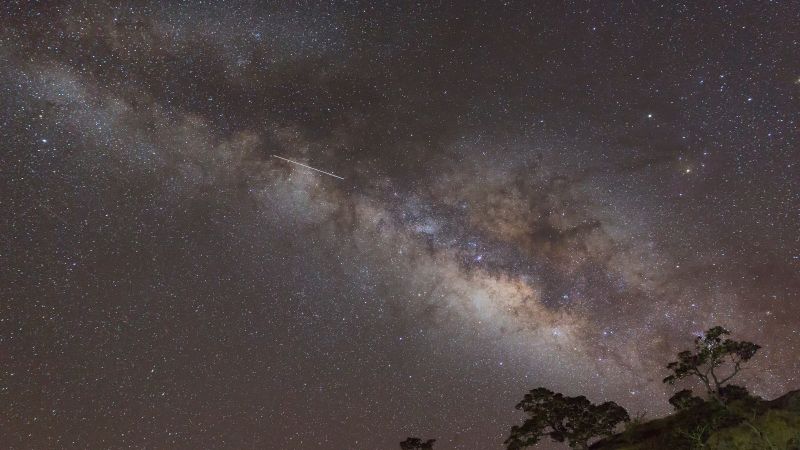

A double meteor shower is anticipated this week, featuring the Alpha Capricornids and Southern Delta Aquariids peaking from Thursday night to Friday. However, visibility may be compromised due to the full moon, making it challenging for enthusiasts to catch a glimpse of these celestial events.
Understanding the Meteor Showers
The Alpha Capricornids, active from early July to mid-August, and the Southern Delta Aquariids, active from mid-July to mid-August, showcase nature’s brilliance as Earth passes through debris fields left by comets. These meteor showers typically reach their peak intensity when the Earth encounters the densest part of the meteor trails. This week marks a significant opportunity for sky-gazers, as both will peak in tandem, potentially allowing for a memorable stargazing experience.
Challenges for Star Gazers
Despite the exciting prospects, visibility will be hampered due to the full moon peaking on Wednesday. Bob Lunsford, the report coordinator for the American Meteor Society, explained that the moon’s bright light significantly reduces the chances of spotting fainter meteors. “This full moon limits visibility of a meteor shower peak around every three years,” he noted.
According to Bill Cooke, lead of NASA’s Meteoroid Environment Office, ideal viewing conditions would involve the moon being below the horizon or not having risen yet. However, this week’s conditions mean the full moon will shine throughout the night, making it increasingly difficult to enjoy the meteor display.
Viewing Tips and Advantages
For those determined to catch a glimpse of the meteor shower, positioning is key. Lunsford recommends finding high ground and facing north with the moon positioned behind you, which may help with night vision. Although observers in the Southern Hemisphere may have a slight advantage because the radiant point appears higher in the sky, anyone interested in stargazing should still attempt to find a dark area away from city lights.
The Southern Delta Aquariids are known for producing faster-moving meteors at a rate of around two per hour in the Northern Hemisphere and three per hour in the Southern Hemisphere. In contrast, the Alpha Capricornids tend to produce brighter meteors that are easier to spot. Peak rates of around three per hour are common from both hemispheres, creating moments of awe for those lucky enough to catch them.
Why This Is Trending
Interest in this double meteor shower is particularly heightened in India right now due to the growing popularity of astronomy among the youth. With the rise of social media, enthusiasts are sharing their experiences, and many are actively seeking opportunities to connect with nature and the cosmos. The recent accessibility of space-related information and events has fueled this enthusiasm, making meteor showers a topic of conversation across communities and educational platforms.
Frequently Asked Questions
When is the best time to view the meteor showers?
The best time to view the Alpha Capricornids and Southern Delta Aquariids will be Thursday night into Friday, yet keep in mind that the full moon’s light will hinder visibility.
What is the expected meteor rate during the showers?
The Southern Delta Aquariids can produce about two meteors per hour from the Northern Hemisphere, while the Alpha Capricornids might average three meteors per hour from both hemispheres.
What are some tips for viewing meteor showers?
It’s best to find a high location, face northward, and keep the moon at your back for optimal visibility. Staying away from city lights enhances the chances of spotting meteors.
Are there other meteor showers to look forward to this year?
Yes, after these showers, the Perseids will peak in mid-August, followed by others later in the year such as the Orionids, Southern and Northern Taurids, and Geminids in December.