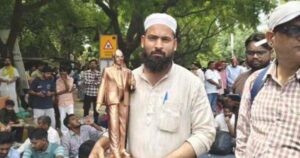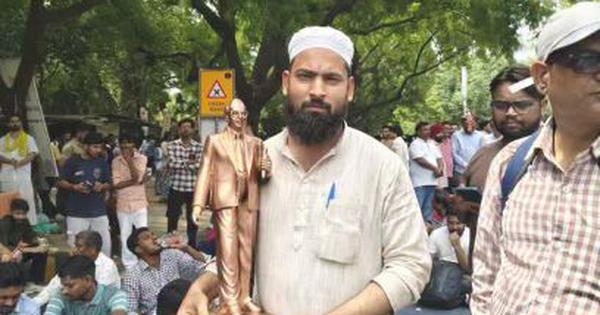

A recent incident involving Junaid Malik, a Muslim volunteer who provided food and water to protesters in Delhi, highlights concerns about discrimination and police harassment faced by Muslims in India. Malik alleges that he was illegally detained by Delhi Police, raising significant issues about due process and the treatment of minority communities amidst growing tensions in the region.
Details of the Alleged Police Harassment
Junaid Malik’s encounter with the police began on July 25, when he and a friend were reportedly detained by Delhi Police while returning from a hospital after receiving an anti-rabies injection. According to his petition submitted to the Supreme Court, they were held in a police vehicle for approximately five to six hours during which their phones were confiscated, and they were compelled to divulge information about the sources of funding for their protest activities.
Malik describes the treatment he received as abusive, detailing that he and his friend were subjected to interrogation by senior officers, who purportedly threatened them with charges under the National Security Act if they did not comply with questioning. This alleged coercion raises critical questions about the legality of the police’s actions and their implications for civil liberties.
Impact on Malik’s Family
The repercussions of Malik’s detention extended to his family, with reports indicating that on July 23, his father was also taken into custody and interrogated about the family’s finances and Malik’s activities. Furthermore, on July 24, a significant police presence—amounting to 10 to 12 officers—raided their home in Ghaziabad, damaging property and demanding identification and banking details from family members. These actions exemplify a broader pattern of targeting Muslim individuals and families, particularly those active in social causes.
Context of Protests and Escalating Tensions
This series of events unfolded against the backdrop of ongoing protests initiated by the Cockroach Janta Party (CJP) at Jantar Mantar, which began on June 6. The protests were primarily aimed at demanding the resignation of Union Education Minister Dharmendra Pradhan. Following significant public pressure and protests, Pradhan resigned on July 29, leading the CJP to call off their activities. Such political movements often highlight the interconnectedness of social activism and governmental responses, especially in contexts where marginalized groups, like Muslims, are involved.
Why It Matters
The incident involving Junaid Malik underscores critical issues regarding civil rights and the treatment of minority populations under the current Indian government. It exemplifies a pattern of police harassment that has been reported increasingly, particularly aimed at Muslims who engage in social protests. The continuing marginalization of this community raises ethical concerns about the state’s approach to law enforcement and democracy. As the global community observes these developments, the response of international human rights organizations could play a pivotal role in influencing policy and ensuring the protection of civil liberties in India.
Frequently Asked Questions
What happened to Junaid Malik?
Junaid Malik alleges that he was illegally detained by Delhi Police while volunteering at a protest site, where he was interrogated and threatened by police officers.
How did the police treat Malik’s family?
Malik’s family faced coercive police actions, including the detention of his father and a raid on their home, where police damaged furniture and demanded personal information.
What were the protests about?
The protests, initiated by the Cockroach Janta Party, aimed to demand the resignation of Union Education Minister Dharmendra Pradhan, who ultimately resigned amid public outcry.
Why is this incident significant for Indian Muslims?
This incident highlights ongoing issues of discrimination and marginalization faced by Muslims in India, particularly those involved in social activism, raising concerns about civil liberties and police accountability.