
Summary
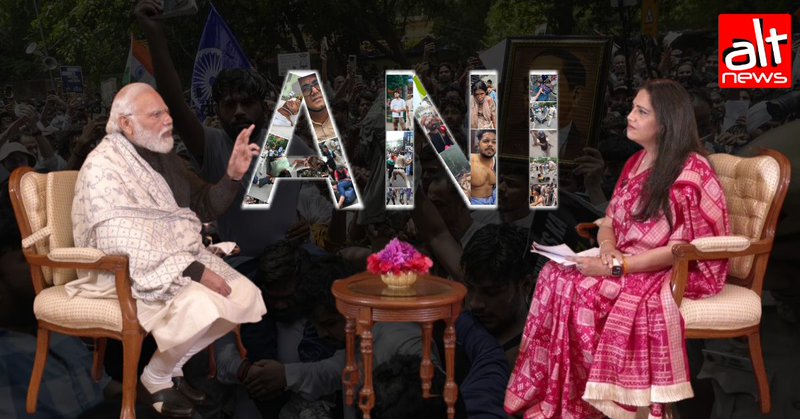
On July 20, Asian News International (ANI) faced criticism for failing to report on injuries sustained by students during a police crackdown on protests in Delhi. Despite posting 404 tweets throughout the day, not a single tweet mentioned the suffering of the students, raising questions about media responsibility and editorial judgment.
Context of the Incident
The protests on July 20 were organized by the Citizens for Justice and Peace (CJP) in response to various social justice issues. Demonstrations turned violent as police engaged in a crackdown, with numerous reports of injuries among student activists. The absence of coverage on this aspect by ANI points to a broader issue within the news ecosystem, where certain narratives are prioritized over others.
Role of ANI in Indian Media
Asian News International (ANI) has a significant presence in India’s media landscape, with a reputation for being a primary source of news and footage. Established decades ago, ANI has come to dominate the television news industry, making it a critical player in shaping public discourse. Given its extensive reach, the agency has the power to either highlight or downplay significant social issues, influencing audience perceptions.
Editorial Judgment or Narrative Control?
The failure of ANI to report on the injuries of students has sparked debate about the editorial decisions made by news organizations. Critics argue that the lack of coverage reflects a deliberate attempt to control the narrative, particularly on sensitive issues surrounding student activism and state response. Questions arise regarding how editorial judgment is exercised and where the line is drawn between responsible journalism and narrative-building. The silence on such critical developments suggests a concerning trend in media reporting that must be addressed.
Why This Matters
This issue is pivotal for Indian readers as it highlights the role of media in a democratic society, particularly regarding accountability and representation. When a major news agency ignores pivotal events, it not only shapes the public’s understanding but also influences policy debates. The ability of media outlets to report accurately on critical issues like state violence and civil rights should serve as a foundational element of democracy. This incident raises alarm about press freedom and the extent to which media can act independently in the face of government pressure or other interests.
Frequently Asked Questions
What happened on July 20 that prompted the protests?
The protests on July 20, organized by the Citizens for Justice and Peace (CJP), were a response to issues of social justice, particularly concerning the treatment of marginalized communities in India.
Why is ANI’s failure to report on student injuries significant?
ANI’s omission is significant because it reflects a larger trend of media organizations potentially prioritizing certain narratives over reporting critical incidents. This can skew public perception and hinder informed discourse.
What has been the reaction from the public and media analysts?
There has been substantial criticism from activists and media analysts who argue that the lack of coverage represents a failure in journalistic responsibility. Many are calling for more accountability and transparency in reporting.
How does this incident relate to broader issues in Indian media?
This incident highlights ongoing concerns regarding press freedom in India and the role of media in representing diverse voices. It underscores the influence media has in shaping political narratives and public opinion, which is crucial for a healthy democracy.