
Recent comments by Mohammed Zubair, a prominent political commentator, highlight a disparity in media coverage concerning incidents involving political actors in India. Zubair points out that the media, particularly ANI, appears selective in reporting on violent incidents depending on the affiliations of the accused, which raises questions about impartiality in news reporting.
Media Coverage and Political Bias
The Indian media landscape has often been criticized for being influenced by political affiliations and party loyalties. Mohammed Zubair, through his commentary, draws attention to the evident bias exhibited by agencies such as ANI (Asian News International) when reporting on incidents involving political figures. In his observation, he notes that when an assailant is associated with opposition parties, the media is quick to publish videos and footage of the incident. However, in instances involving members of the Shinde Shiv Sena, an allied party within the ruling coalition, the same urgency and diligence are seemingly absent.
Specific Incident of Assault
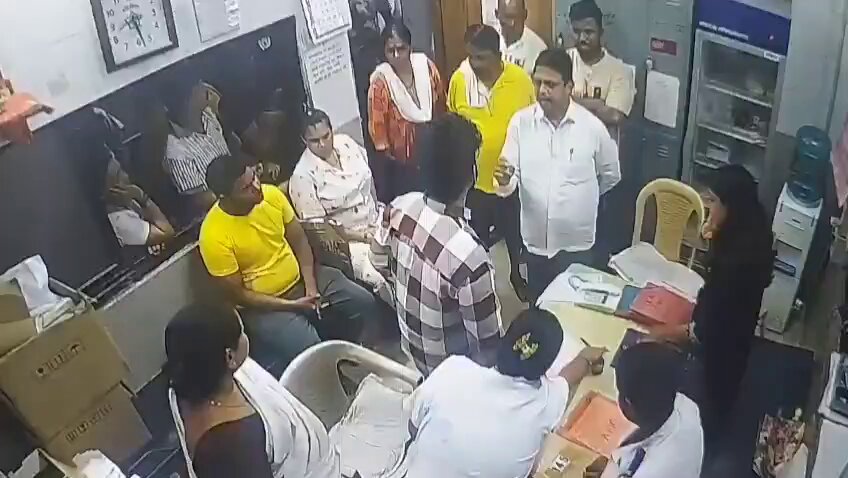
In a specific incident referenced by Zubair, hospital staff were reportedly assaulted by a Shiv Sena Corporator. The lack of immediate media attention and coverage for this incident compared to previous events involving opposition party members raises serious questions about the independent editorial policies of news agencies. This selective reporting contributes to a broader narrative that supports the ruling party while undermining opposition voices, thus creating an uneven playing field in the political discourse.
Reactions from the Public and Political Analysts
Public reactions to Zubair’s insights have varied, with some applauding the call for more responsible journalism and others arguing that it’s reflective of a broader trend in political reporting in India. Political analysts stress the importance of unbiased reporting, stating that it is fundamental for a healthy democracy. With increasing polarization in Indian politics, fair media representation is critical to ensure that all parties can present their narratives without undue disadvantage or advantage based on media representations.
Why This Matters
The implications of biased media coverage are far-reaching in the Indian political context. As citizens rely on news outlets for information about political events and actions, it is crucial that reporting remains balanced and fact-based. Uneven coverage can skew public perception and electoral outcomes, thereby influencing the democratic process. The current political climate, rife with allegations of partisanship, underscores the need for accountability in journalism, thereby affecting public trust in media institutions.
Frequently Asked Questions
What was the incident involving the Shiv Sena Corporator?
The incident involved an assault on hospital staff by a member of the Shiv Sena, which has since drawn attention for its implications on media coverage of political violence in India.
Why is ANI’s coverage being criticized?
ANI’s coverage is criticized because it appears to favor ruling party affiliates by downplaying violent incidents involving them while highlighting opposition party incidents, which raises concerns over impartiality in reporting.
How does selective media reporting affect democracy?
Selective media reporting can create an unlevel playing field for political parties, influencing public perception and electoral outcomes, thereby undermining the democratic process.
What can be done to ensure unbiased media coverage?
To promote unbiased media coverage, there must be a push for independent journalism, accountability measures within media outlets, and increased awareness among the public regarding media literacy to critically evaluate news sources.