
In the year 2024-25, India’s energy supply reached 932,816 kilotonnes of oil equivalent (KToe) from both domestic production and imports, while energy consumption amounted to 608,578 KToe, according to Energy Statistics India. This indicates that 35 percent of total primary energy supply (TPES) was lost due to conversion and system inefficiencies.
While this percentage remains unchanged from the previous year, it is comparable to figures observed in other countries. The primary cause of such losses in India is attributed to thermal power; approximately 60-65 percent of the energy contained in coal is lost during its conversion into electricity.
Losses in energy equate to financial losses as well. However, there exists significant potential for reducing these discrepancies.
One approach is to implement higher efficiency boiler-turbine systems in thermal power plants. Another method involves decreasing reliance on coal-based electricity, a trend that is already underway. Currently, 28 percent of the electricity generated in India’s grid comes from non-fossil fuel sources. Although the country plans to construct approximately 80 GW of new coal power plants, the overall share of thermal power within the electricity mix is expected to decline.
While these changes may reduce the gap between primary energy supply and final energy consumption, significant progress hinges on substantially increasing the share of electricity in the total final consumption (TFC) of energy, which presently stands at only 23 percent. This means that a substantial 77 percent of energy continues to be consumed in the form of molecules rather than electrons. Expanding the use of renewable energy and nuclear power could bolster energy security; an important consideration given the vulnerabilities related to imported fossil fuel resources, as highlighted by current developments in the Strait of Hormuz.
Vinay Pabba, CEO of Vibrant Energy, emphasized in a LinkedIn post, “until we change that, no amount of solar and other RE capacity will buy us security.” Therefore, energy planners face the crucial task of enhancing the share of electricity in TFC while simultaneously reducing coal and oil contributions to TPES.
Boosting Electricity
A significant portion of India’s industrial energy needs continues to be met through direct combustion methods using coal, furnace oil, and diesel for process heat. In 2024-25, industry consumed 172,369 KToe of energy directly from coal. Many applications can benefit from improved efficiency through the use of electricity instead. Technologies such as heat pumps illustrate this potential; for instance, a coal boiler may transform 100 units of coal energy into about 80 units of useful heat. However, if this coal is converted into electricity to power a heat pump, it can yield even more useful heat—120 kWh—due to the high coefficient of performance (CoP) associated with heat pumps.
Experts argue that policy must specifically target industrial electrification. This would initially shift energy demand towards the power sector but would ultimately allow cleaner energy sources to decarbonize a broader portion of the economy. Pabba proposes mandating electric boilers for low-temperature industrial heating applications, particularly those below 150 degrees Celsius. He also suggests phased replacement timelines for diesel and fuel-oil boilers, restrictions on new coal-fired industrial boilers in urban areas, and a redesign of India’s ‘Perform, Achieve and Trade’ (PAT) scheme to encourage fuel switching.
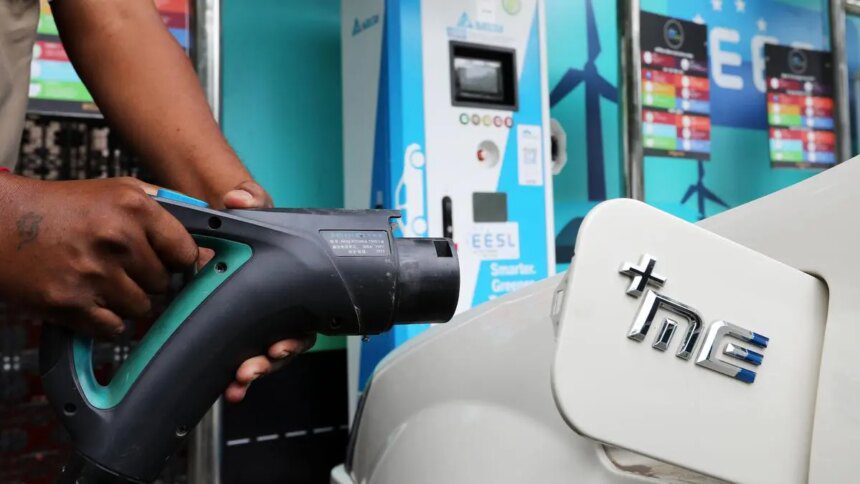
The transportation sector presents another promising avenue for electrification, potentially more achievable than in industry. Currently, oil products account for 49 percent of total energy consumption (TCS) at 242,386 KToe out of 608,578 KToe. Rapid development of charging infrastructure could facilitate a significant transition from oil to electricity for vehicles. Pabba argues that implementing direct bans and mandates would accelerate this shift more effectively than the current reliance on subsidies.
The Hurdles
Increasing the share of electricity in the overall energy mix may encounter political resistance. Elevating the proportion of electricity consumption would require maintaining its affordability; however, industrial consumers often subsidize low-cost supply to underprivileged communities, complicating any efforts to lower tariffs for the industry.
The draft New Electricity Policy 2026 put forth by the Ministry of Power in January advocates against “relentless cross-subsidy,” suggesting a potential pathway toward enhanced electrification of energy in India.
Published on May 25, 2026.