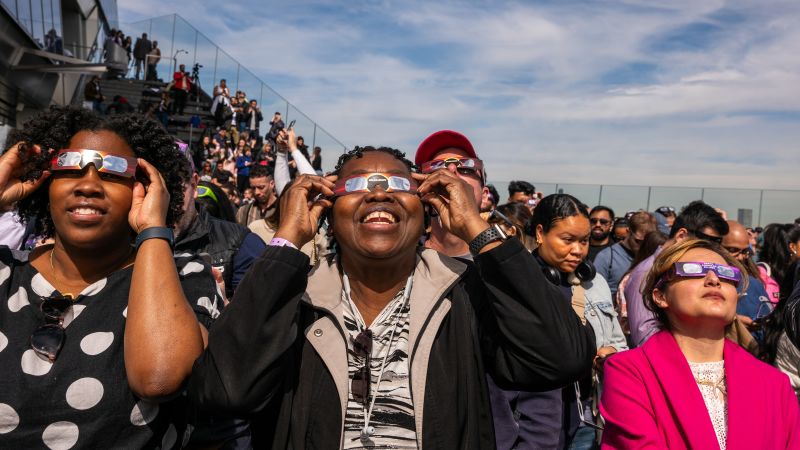

On August 12, 2026, a spectacular total solar eclipse will be visible across parts of Greenland, Iceland, northern Russia, Spain, and Portugal. As millions prepare to catch a glimpse of this cosmic event, it’s essential to prioritize eye safety and proper viewing methods to experience the beauty of the eclipse without risking vision damage.
Understanding Solar Eclipses
A total solar eclipse occurs when the moon passes directly between the Earth and the sun, blocking the sun’s light completely. This phenomenon offers a once-in-a-lifetime opportunity for stargazers. The rare occurrence of a sunset eclipse over Spain will be particularly mesmerizing, as observers will witness a crescent sun setting post-eclipse.
In India, those outside the path of totality can still experience a partial solar eclipse, where the moon covers only a portion of the sun. To find out when you can view the eclipse in your location, check resources like Time and Date.
Eye Safety During Eclipses
It’s crucial to protect your eyes during a solar eclipse. According to NASA, eyes can sustain permanent damage with even a fraction of sunlight. The only safe time to view the sun without protection is during the totality phase of a total eclipse. If any light re-emerges from behind the moon, proper eye safety measures must be implemented immediately.
To safely view the eclipse, wear certified solar eclipse glasses or use handheld solar viewers. Regular sunglasses, even the dark ones, do not provide adequate protection. Looking at the sun without proper eye protection can lead to serious conditions like solar retinopathy, which involves permanent vision loss.
How to Prepare for the Eclipse
Finding and using proper eclipse glasses for viewing is essential. Certified ISO 12312-2 compliant glasses filter out harmful rays and are designed specifically for solar viewing. If you have eyeglasses, the American Astronomical Society recommends wearing your glasses underneath the eclipse glasses for added safety.
If you don’t have access to certified glasses, indirect viewing methods, like pinhole projectors using cardboard, can be used. Simply punch a hole in a piece of paper and let sunlight pass through it, creating an image of the sun on the ground.
It’s advisable to store eclipse glasses in their original pouch and keep them at room temperature to prevent damage. Wiping them with only a dry cloth ensures they remain in perfect condition for future use.
Why This Is Trending
The upcoming total solar eclipse is generating significant interest in India for several reasons. Firstly, this celestial event occurs infrequently, making it a notable occasion for stargazing enthusiasts. Social media platforms are buzzing as people share their excitement for the phenomenon and discuss how best to observe it safely. Furthermore, with increased accessibility to information and resources online, many Indians are keen to prepare for viewing the eclipse while ensuring their safety and that of their families.
Frequently Asked Questions
When will the next total solar eclipse be visible in India?
While the major total solar eclipse will occur on August 12, 2026, future solar eclipses will continue to be visible in India. Details on upcoming eclipses can be found on astronomy sites.
Can I use regular sunglasses to watch the eclipse?
No, regular sunglasses do not provide sufficient protection for your eyes and can result in serious eye damage. Always use certified eclipse glasses or solar viewers.
What should I do if I can’t find eclipse glasses?
If eclipse glasses are unavailable, use indirect viewing methods such as pinhole projectors. These safe alternatives allow you to watch the eclipse without direct sun exposure.
How do I ensure my eclipse glasses are safe to use?
Check that your eclipse glasses are ISO 12312-2 certified and examine them for scratches or damage. If they appear to be in good condition, they can be used to safely watch the eclipse.