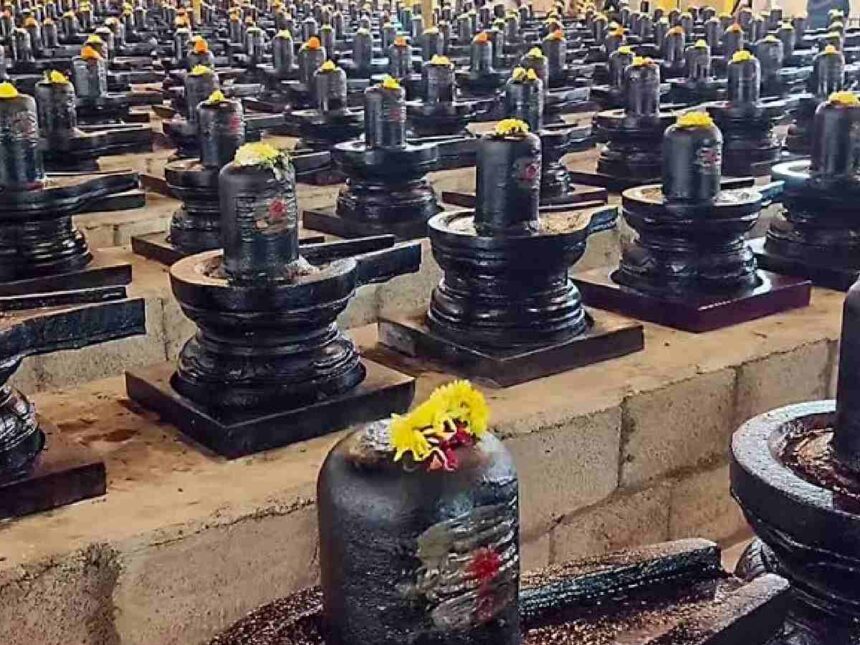

A recent proposal by a Hindu organization to install a large Shiva Lingam outside the historic Adina Mosque in West Bengal has intensified existing tensions surrounding one of the region’s most significant Islamic heritage sites. This situation is emblematic of the broader challenges faced by Muslim communities in India, as Hindu nationalist groups increasingly seek to assert their narratives over historically significant religious sites.
The Proposal and Its Historical Context
The Adina Mosque, built in 1373 by Sultan Sikandar Shah, is recognized by the Archaeological Survey of India (ASI) as a Monument of National Importance. Recent claims by the Adinath Puratan Shiv Mandir group allege that the mosque was constructed upon the ruins of a demolished Hindu temple. Kajal Goswami, representing the group and also affiliated with the ruling Bharatiya Janata Party (BJP), has leveraged social media to rally support for placing a Shiva Lingam at the mosque. The organization aims to eventually seek legal adjudication to install the Lingam inside the mosque.
Community Response and Tensions
The initiative has sparked strong reactions among local Muslim populations and political opposition parties. Critics argue that such actions reflect a broader agenda by Hindu nationalists looking to redefine the historical and religious identity of mosques in India. This controversy mirrors recent patterns where Hindu nationalist groups have attempted to challenge the status of Islamic sites, which many community members believe threatens the preservation of India’s rich Islamic heritage.
Legal and Political Dimensions
The ASI’s designation of the Adina Mosque as a protected monument means that any unauthorized religious activities are strictly prohibited. Malda police have reiterated that legal repercussions will follow any attempts at conducting unauthorized rituals within the mosque premises. However, various BJP leaders have publicly supported the claims of the temple’s prior existence, leading to increased scrutiny of the motivations behind such movements. This discourse has reached legislative levels, with BJP officials making declarations in Parliament, which further complicates the already tense political landscape.
Why It Matters
The ongoing situation surrounding the Adina Mosque highlights a significant sociopolitical issue in contemporary India, characterized by rising communal tensions and the politicization of historical narratives. For communities, such conflicts often translate into social exclusion and discrimination, as evidenced by the reactions and legal frameworks surrounding religious sites. Understanding these dynamics is essential for recognizing the challenges faced by minority communities in India, particularly Muslims, as they navigate an increasingly fraught environment for their rights and heritage.
Frequently Asked Questions
What is the Adina Mosque’s historical significance?
The Adina Mosque, built in 1373, is one of the most well-preserved examples of medieval Islamic architecture in India and is designated as a Monument of National Importance by the Archaeological Survey of India.
What claims are being made regarding the Basilica’s history?
The Adinath Puratan Shiv Mandir group claims that the mosque was built over a demolished Hindu temple, alleging historical alterations that favor Hindu narratives over Islamic histories.
What measures are in place to protect historic sites like the Adina Mosque?
The Adina Mosque is protected under the Ancient Monuments and Archaeological Sites and Remains Act, 1958, which prohibits unauthorized religious activities and ensures legal action against violations.
How have political parties responded to the dispute?
Members of the BJP have publicly supported the claims of a prior temple existing at the mosque site, leading to calls for government intervention and raising concerns among opposition parties about communal tensions.