
Summary
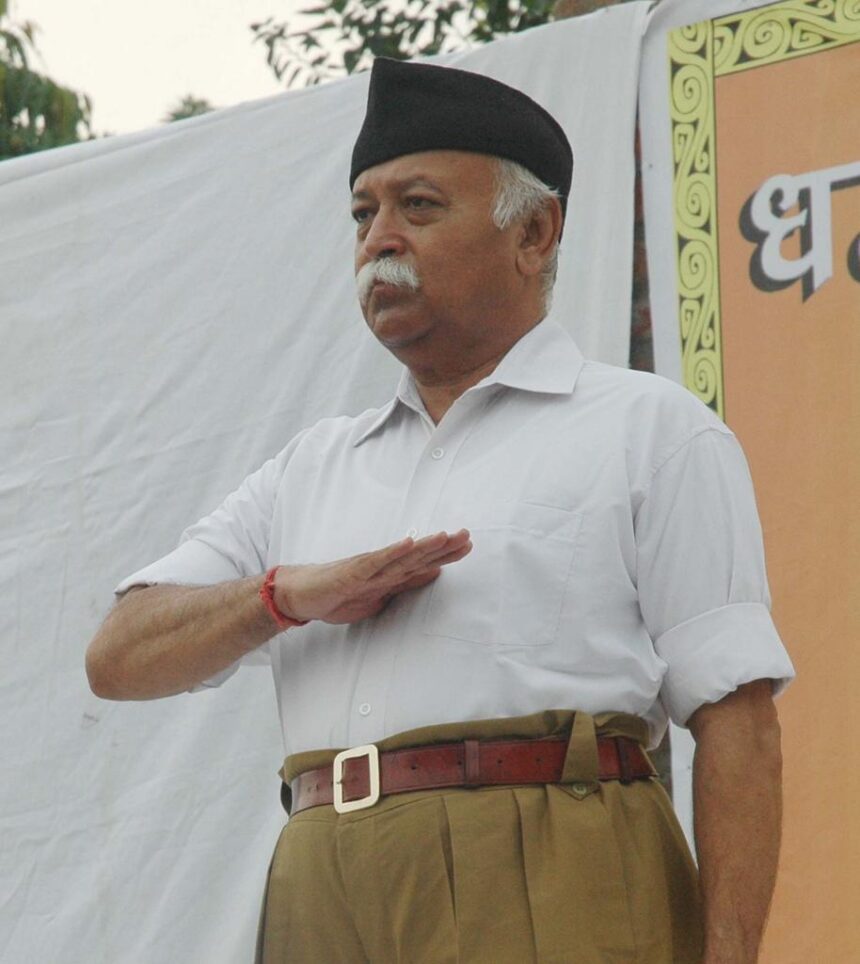
In light of Mohan Bhagwat’s visit to Britain from September 2 to 7, over 20 diaspora and rights groups have called on British authorities to boycott his engagements and condemn the Rashtriya Swayamsevak Sangh (RSS). These organizations warn that Bhagwat’s presence could exacerbate religious polarization, particularly affecting Indian Muslims and other minorities in the UK.
Concerns from Diaspora and Rights Groups
A coalition of organizations, including the South Asia Solidarity Group and Hindus for Human Rights U.K., sent a letter to British officials expressing their concerns. They described Bhagwat’s visit as a “charm offensive” intended to improve the RSS’s global image amid its controversial stance on Hindutva, an ideology aimed at establishing Hindu supremacy in India. The groups insist that British governmental officials should not participate in any events linked to Bhagwat and the RSS, urging for action against members accused of religious persecution.
The Role of the RSS and its Ideological Impact
Founded in 1925, the RSS serves as the ideological backbone for the Bharatiya Janata Party (BJP), led by Indian Prime Minister Narendra Modi. Critics allege that the RSS promotes an exclusionary agenda that marginalizes religious minorities such as Muslims and Christians in India. This charge is substantiated by the writings of former RSS chief M.S. Golwalkar, known for controversial statements likening his visions of Hindu nationalism to the tactics employed by Nazi Germany against minorities. The resonance of these ideologies raises alarms regarding the potential for increased hostility within the Indian diaspora, particularly in multicultural societies like Britain.
The Political Landscape and Historical Context
As the RSS has intensified its outreach during its centenary year, engaging in dialogue with community leaders overseas, the implications for various ethnic and religious groups remain significant. This increased visibility is seen by many as an attempt to reshape the narrative surrounding Hindutva communities globally. The British organizations expressed that Bhagwat’s presence could deepen divisions within the Indian diaspora, potentially instigating fear and mistrust among marginalized communities. The call for David Smith, Britain’s special envoy for Freedom of Religion or Belief, and Jim Shannon, chair of the parliamentary group on religious freedom, to distance themselves from Bhagwat and his organization highlights growing concerns for community safety and rights.
Why It Matters
The significance of this situation cannot be overstated. It reflects broader trends in religious and social polarization that can have substantial implications for community relations both domestically and internationally. For developers and policymakers, understanding these dynamics can inform the creation of more inclusive platforms and tools aimed at fostering dialogue rather than division. Engaging with these complex narratives is crucial for building social cohesion and understanding the multifaceted nature of cultural identity in global communities. Additionally, organizations aiming for responsible AI development must consider the real-world ramifications of how such ideologies may influence societal outcomes, particularly in terms of marginalization and exclusion.
Frequently Asked Questions
Who is Mohan Bhagwat and what is the RSS?
Mohan Bhagwat is the head of the Rashtriya Swayamsevak Sangh (RSS), a Hindu nationalist organization in India. Founded in 1925, the RSS promotes Hindutva, an ideology that seeks to reshape India around Hindu identity, serving as the ideological base for Prime Minister Narendra Modi’s Bharatiya Janata Party.
Why are groups criticizing Bhagwat’s visit to the UK?
More than 20 diaspora and rights organizations are concerned that Bhagwat’s visit promotes an agenda that could heighten religious polarization in Britain. They argue that it could instigate fear among communities targeted by Hindu supremacist organizations and call for condemnations from British officials.
What actions have been suggested by the rights groups?
The organizations have called for British authorities, including the special envoy for Freedom of Religion or Belief, to boycott Bhagwat’s events. They also seek targeted sanctions against individuals associated with the RSS for alleged involvement in religious persecution.
What historical context is relevant to the RSS’s ideology?
The RSS has a controversial history linked to its promotion of Hindutva and has faced backlash for statements made by its past leaders, including M.S. Golwalkar, who drew comparisons between his vision for India and the treatment of minorities in Nazi Germany. Critics argue that this ideology contributes to hostility towards religious minorities in contemporary India.