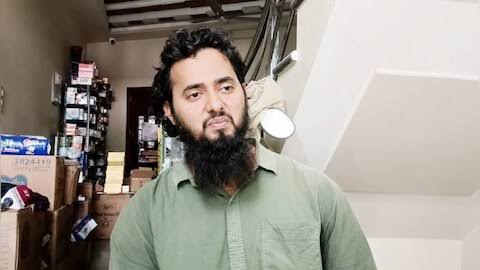

In a case that highlights ongoing tensions surrounding religious identity in India, a 30-year-old man from Shamli district, Ayush Malik, has become embroiled in allegations of unlawful religious conversion. Following a police investigation, notable arrests have been made, which reveal broader societal implications regarding religious freedom and communal relations in the country.
Background of the Case
The investigation into alleged illegal religious conversions began after a complaint was lodged by Devraj Malik, Ayush’s father, on June 6. He claimed his son was converted to Islam several years ago under false pretenses. Central to the complaint is the assertion that Ayush was coerced into marrying a woman named Chandni Qureshi in a nikah conducted in Delhi using forged documents. This case has led to the arrest of several individuals, including Chandni Qureshi, her father Islam Qureshi, and more recently, an accomplice identified as Taufiq alias Bhola.
Arrests and Legal Charges
The police, under the guidance of Superintendent of Police N.P. Singh, have arrested three individuals so far. Alongside the Qureshis, Taufiq was apprehended after a ‘nikahnama’ (Islamic marriage certificate) was reportedly found in his possession. In total, nine individuals, including a cleric, have been implicated in the case. They face serious charges related to extortion, cheating, forgery, and criminal intimidation, as well as violating the Uttar Pradesh Prohibition of Unlawful Conversion of Religion Act.
Response from Ayush Malik and Community Reactions
Ayush Malik, now identifying as Mohammad Ali, publicly refuted the allegations. He claims his conversion to Islam was voluntary and disputes any notion of coercion. Malik’s assertions bring to light the complexities of identity and familial relations within the context of religious conversion in India, suggesting that external pressures may be influencing familial disputes. This case has further escalated tensions in Shamli, with various Hindu organizations calling for severe action against the accused. Some groups have even threatened to mobilize protests if the situation is not addressed decisively.
Why It Matters
This case is emblematic of a larger trend of communal strife and legal complexities surrounding religious conversions in India, particularly under the current Sangh and Bharatiya Janata Party (BJP) governance. It raises questions about religious freedom, the rights of individuals to choose their faith, and the potential for legal frameworks to be used as tools of discrimination. Moreover, the societal division this case underscores is symptomatic of broader systemic marginalization faced by Indian Muslims, as they navigate discrimination and socio-political exclusion in various spheres including education, employment, and community relations.
Frequently Asked Questions
What are the legal implications of the case for religious conversion in India?
The case illustrates the enforcement of laws against unlawful conversions, particularly in states like Uttar Pradesh, where specific legislation prohibits conversions perceived as forced or fraudulent. It raises significant dialogues about individual rights versus community governance.
How have religious minorities responded to this incident?
The case has intensified nervousness among religious minorities, particularly Muslims, who often feel vulnerable to societal biases and legal persecution. Many community leaders express concern over the implications for freedom of religion and the repercussions of communal politicization.
What role do Hindu organizations play in such conversion cases?
Hindu organizations have been active in calling for accountability in cases of alleged unlawful conversions. Their involvement often escalates tensions and influences public opinion against the accused, reflecting a broader agenda of religious nationalism.
Why is Ayush Malik’s assertion of voluntary conversion significant?
Ayush Malik’s claim of voluntary conversion complicates the narrative of coercion and victimization typically presented in such cases. It highlights the need for nuanced dialogue around personal agency and religious identity in a multi-religious society like India.