On August 31, 2026, Indian stock indices opened lower, significantly impacted by rising crude prices due to escalating tensions in Iran. The Nifty 50 index fell by 0.42% to 24,073.85, while the BSE Sensex dropped 0.28% to 77,042.87 as investors anticipate volatility from the MSCI index rebalancing and the country’s new stock closing system.
Market Overview
The Indian stock market faced a challenging opening as geopolitical developments in Iran have sent crude oil prices higher, igniting concerns among investors. Fourteen of the sixteen major sectors reported losses, with the IT index declining by 1.5%. Notably, HDFC Bank emerged as a rare gainer, increasing by 2.1% following an announcement from CEO Sashidhar Jagdishan regarding his decision not to seek reappointment when his term concludes in October.
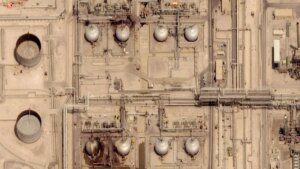
Global markets also reflected a bearish sentiment after recent airstrikes by U.S. forces on Iran, marking an uptick in crude oil costs, with Brent crude futures soaring by approximately 2.5% to $90 per barrel. Other Asian markets noted a decline of about 0.7% amidst the international unrest.
Sector-wise Performance
The broader small-cap and mid-cap segments traded flat, while individual stock movements demonstrated greater volatility. Top gainers among Nifty 50 included HDFC Bank, Eternal, ONGC, Bajaj Auto, and ICICI Bank. In contrast, key losers comprised Hindalco, Infosys, Adani Enterprises, and Tata Steel. This discrepancy in performance illustrates the current market dynamics, where energy stocks exhibit resilience while technology companies face pressure.
Aurobindo Pharma, through its subsidiary Lannett Company, launched the generic version of Advair Diskus in the U.S., aiming to strengthen its position in the inhalation product market. Aurobindo’s stock remained flat at ₹1,652.40 as investors assess the impact of this development amid a contracting market.
Looking Ahead: Factors to Watch
As the Indian market approaches the upcoming MSCI rebalancing, concerns are rising regarding the first major test for the new stock closing auction system. Market analysts speculate that it will lead to increased liquidity and potential volatility. Investors should remain vigilant about interest rate shifts from the Federal Reserve as financial institutions adjust their strategies in response to Fed Chair Kevin Warsh’s hawkish comments. Additionally, the RBI’s intervention efforts to stabilize the rupee are expected to be closely monitored as geopolitical factors continue to influence economic sentiment.
What This Means
The ongoing crisis in Iran is a critical backdrop for Indian investors, especially those involved in sectors like energy and technology. With higher crude oil prices likely impacting inflation and consumer spending, businesses may need to reassess their forecasts and strategies. The volatility anticipated from the MSCI index adjustment may provide short-term trading opportunities but also increases risks for long-term investors. Overall, investors should remain cautious and well-informed as global and domestic factors converge, significantly influencing market dynamics.
Frequently Asked Questions
What caused the decline in Indian stock indices today?
The decline in Indian stock indices is primarily attributed to rising crude oil prices following U.S. airstrikes in Iran, which exacerbated concerns over geopolitical tensions and potential market volatility.
How did HDFC Bank perform today and why?
HDFC Bank’s shares rose by 2.1% despite the overall market decline, as investors reacted positively to news regarding CEO Sashidhar Jagdishan’s decision to not seek reappointment, suggesting stability in leadership transitions.
What is the expected market reaction to the MSCI index rebalancing?
The MSCI index rebalancing is expected to increase liquidity and volatility in the Indian stock market, as it will involve significant passive-fund turnover, potentially leading to fluctuations in stock prices.
Can the RBI successfully stabilize the rupee amidst rising oil prices?
The RBI’s measures to stabilize the rupee may face challenges due to external pressures from increased oil prices and potential monetary policy shifts by the Federal Reserve. Sustained interventions may be necessary to manage the currency’s volatility.