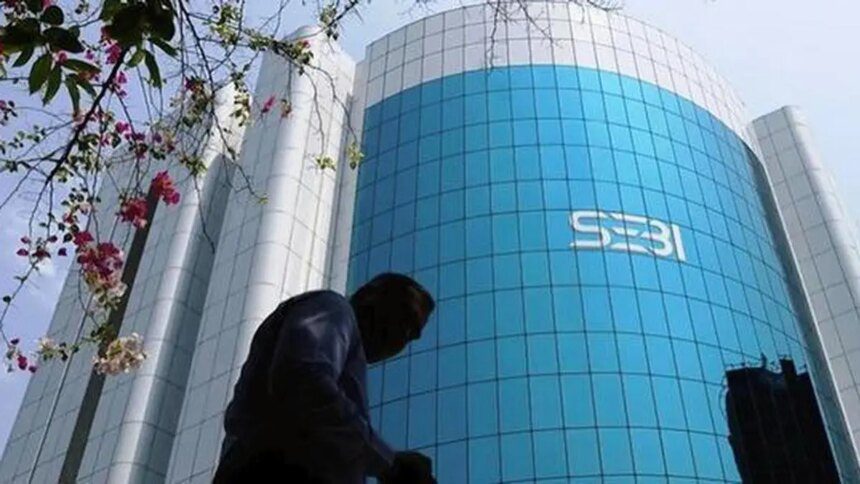

The Securities and Exchange Board of India (SEBI) has proposed a standardized framework for the introduction and management of strike prices for options contracts across various exchanges. This initiative includes a mechanism for the intraday addition of new strike prices during periods of significant market volatility.
According to SEBI, this measure is designed to ensure “predictability and availability of options contracts in cases of heightened intraday volatility for ease of trading in the derivatives segment.”
Under the proposed framework, stock exchanges will need to establish a comprehensive protocol that includes the introduction of a minimum number of in-the-money and out-of-the-money options contracts, daily evaluations of strike price availability, and the removal of contracts that are distant from current market prices.
SEBI has recommended that exchanges implement a provision for the intraday introduction of new strike prices in alignment with price movements of the underlying assets. Importantly, this addition would not require modifications to the systems of stock brokers or market participants during live trading hours.
A strike price refers to the specific level at which an options contract can be exercised. The intervals at which strike prices are set directly influence the trading activities of market participants by determining the availability of trading products. SEBI noted that these products must be integrated into trading applications or portals used by stock brokers on a daily basis, which also affects brokers’ operational systems.
The regulator pointed out that significant intraday volatility, which leads to price movements beyond the farthest available strike price, can inconvenience market participants due to the unavailability of options contracts that correspond to prevailing market prices.
This new framework will apply to the equity, currency, and commodity derivatives segments. However, exchanges will retain the flexibility to determine operational details such as strike intervals and the minimum number of contracts based on liquidity and participation within each segment.
Currently, SEBI’s regulatory framework primarily addresses long-dated index options, while other segments, including stock, currency, and commodity options, follow practices specific to each exchange. This has resulted in variations in the introduction and management of strike prices across different platforms.
SEBI has also proposed to revoke an existing clause in its December 2024 master circular regarding stock exchanges and clearing corporations once the new framework is implemented.
Public comments on the draft proposal are invited until June 15.