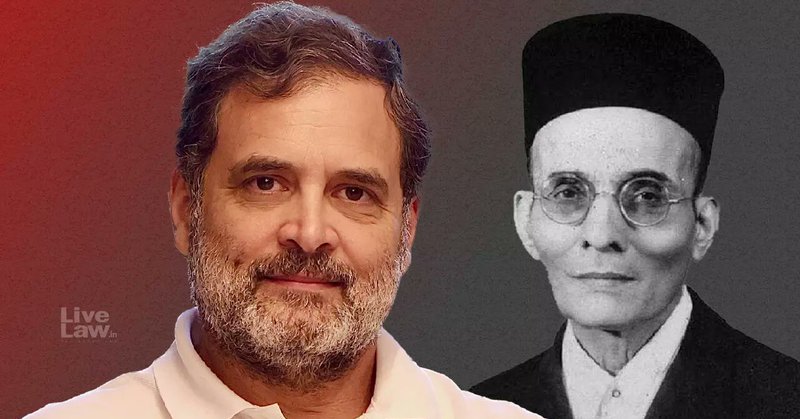

Vinayak Damodar Savarkar, a prominent figure in Indian history, is claimed by his grandnephew to have opposed the worship of cows, regarding them merely as useful animals. This assertion was made during a recent court hearing in Pune, where it was emphasized that treating cows as deities is an affront to both humanity and divinity.
Context of the Claim
The statement comes at a time when the reverence for cows in Hindu culture has become a contentious issue. Savarkar, who played a key role in India’s freedom struggle, is often associated with Hindutva, a form of Hindu nationalism. His grandnephew’s remarks underline a different perspective on his cultural and religious views, which may not align with the mainstream narrative surrounding cow worship in India today.
Historical Background on Savarkar
Savarkar, born in 1883, was a revolutionary, poet, and politician. His writings, including the influential book “Hindutva: Who Is a Hindu?”, laid the groundwork for the Hindutva ideology. Yet, his views on various subjects, including cow worship, often stir debate. The assertion that he regarded cows strictly as domestic animals rather than sacred beings suggests a pragmatic rather than a religious approach to agriculture and economy, which is critical for understanding his ideology.
The Role of Cows in Contemporary Indian Society
Cows hold significant cultural and religious importance in Hinduism, celebrated as symbols of motherhood and nourishment. Any deviation from this reverence invites backlash or skepticism, especially in a nation where cow protection laws are fiercely enforced. Savarkar’s view challenges the dominant narrative, potentially aligning with perspectives that promote economic viability over religious sentiment. It prompts a reflection on evolving beliefs concerning what is deemed sacred in modern India.
Why This Matters
This discussion is crucial for contemporary India as it highlights the tensions between tradition and practicality. Savarkar’s views, if widely accepted, could reshape the discourse surrounding animal rights, agriculture policies, and religious practices. In a country grappling with modernization amidst deep-rooted cultural practices, such claims could redefine the fundamental ideology driving political and social debates on Hindu nationalism and its implications for minority communities. Understanding these nuances is essential for informed discussions about identity and policy in modern India.
Frequently Asked Questions
What did Savarkar actually say about cows?
Savarkar’s grandnephew claimed that Savarkar viewed cows merely as useful animals and criticized the veneration of cows as an insult to humanity and divinity.
Why is this claim significant today?
This claim challenges traditional beliefs about cow worship in Hinduism, which could have broader implications on agricultural policies and socio-economic dynamics in India.
How does this relate to current Indian politics?
The discussion touches on the broader theme of Hindutva and nationalism, raising questions about the interplay between cultural identity and economic pragmatism in contemporary India.
What are the potential impacts on Indian society?
If Savarkar’s perspective gains traction, it could lead to shifts in how cows are perceived, impacting everything from farming practices to legislative frameworks concerning animal rights and religious freedom.