
A political controversy is brewing ahead of Haj 2027, as allegations emerge regarding the selection process of service provider Ithraa Al Khair. Critics, including Aam Aadmi Party MP Sanjay Singh, claim the decision could impose significant financial burdens on Indian Haj pilgrims, highlighting systemic issues within the bidding process that raise questions about transparency and fairness.
The Tender Process Under Fire
The controversy began with Sanjay Singh questioning the repeated selection of Ithraa Al Khair as the service provider for Indian pilgrims traveling to Saudi Arabia. In a post on X social media platform on August 27, Singh expressed concerns about the implications of this decision, suggesting that the previous year’s selection had already resulted in increased costs for pilgrims—an estimated ₹6,000 more per person.
Journalist Saiyed Zegham Murtaza added fuel to the fire by stating that another service provider, Mashareq Al Mutamayizah, had offered a significantly lower bid of SAR 8,717.01 per pilgrim, while Ithraa Al Khair’s bid was SAR 9,777. According to Murtaza’s estimates, if Ithraa Al Khair was selected, it could potentially lead to an additional cost burden of over ₹300 crore for approximately 1.22 lakh pilgrims.
Government’s Response and the Allegations Persist
The Ministry of Minority Affairs swiftly rejected Singh’s allegations on August 28, asserting that the selection process followed established procurement procedures. The ministry stated that bids were evaluated according to multiple parameters, including quality, capacity, and financial viability. They emphasized that their process was free from “extraneous considerations,” thereby denying any wrongdoing.
However, Singh remains skeptical, questioning whether the ongoing selection of the same company raises red flags about the integrity of the bidding process. He pointed out that another company had been recommended by a technical committee, but ultimately, Ithraa Al Khair received the contract. This pattern of selection has led to increased scrutiny and demands for transparency in how these critical decisions are made.
Significance for the Haj 2027 Pilgrimage
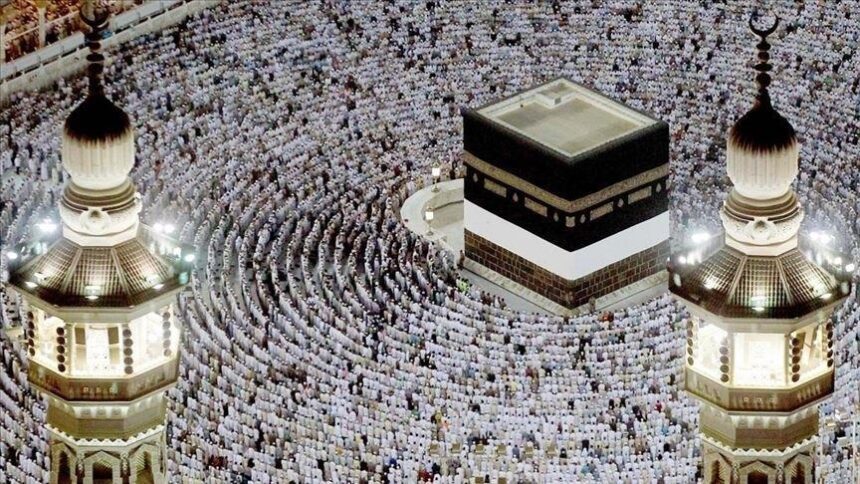
The controversy comes amid preparations for Haj 2027, a significant event for Indian Muslims. The government has allocated 1,22,518 seats for pilgrims, in addition to 52,507 seats for the private sector, totaling 1,75,025 seats available for this pilgrimage. Quality of service—including accommodation, transportation, and catering—are paramount for pilgrims, making the Comprehensive Service Package a critical component in the pilgrimage experience.
As the government attempts to manage the logistical challenges of Haj, the integrity of the service provider selection process has drawn attention not only for its financial implications but also for its relevance to broader issues of governance, accountability, and potential favoritism in public contracts.
Why It Matters
The controversy surrounding the Haj 2027 service provider selection is emblematic of larger systemic issues affecting marginalized communities, particularly Indian Muslims. With allegations of non-transparent bidding processes and repetitive selections of the same company, questions arise about government accountability and the fair use of public funds. For countless pilgrims, the financial impact of inflated service costs cannot be overlooked, particularly in a context where economic pressures already exist. Transparency in such selections could foster greater trust among communities and ensure equitable access to religious pilgrimage opportunities.
Frequently Asked Questions
What is the Haj 2027 Comprehensive Service Package?
The Haj 2027 Comprehensive Service Package includes services such as accommodation, transportation, and catering for pilgrims traveling to Saudi Arabia for the Haj pilgrimage.
Who raised concerns about the service provider selection?
Aam Aadmi Party MP Sanjay Singh has been vocal about his concerns regarding the selection of Ithraa Al Khair as the service provider, questioning the tender process and its implications for pilgrims.
What were the bids for the service provider selection?
According to claims, Mashareq Al Mutamayizah was the lowest bidder at SAR 8,717.01 per pilgrim, while Ithraa Al Khair’s bid was SAR 9,777.
What is the government’s stance on the allegations?
The Ministry of Minority Affairs has rejected the allegations, asserting that the bidding process was carried out according to prescribed procedures and that the final selection was based on a structured evaluation of bids.