
Protests Highlight Alleged Communal Narratives by BJP
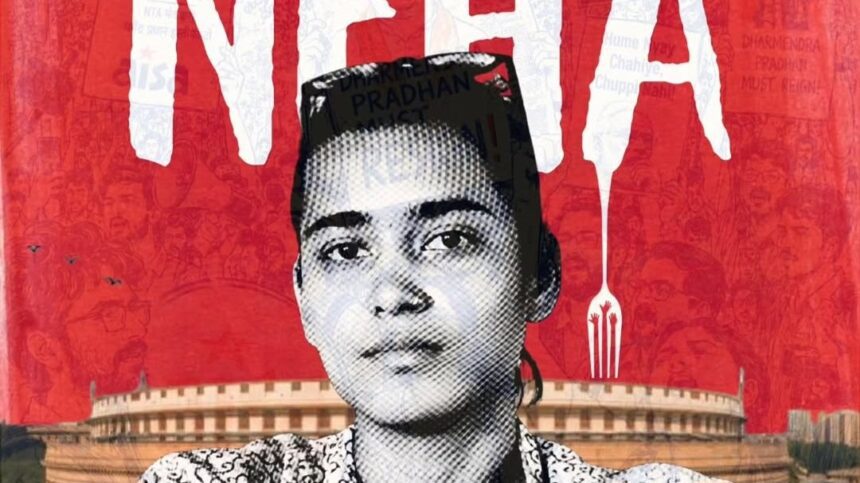
Recent student-led protests in India have sparked controversy, as accusations arise against the Bharatiya Janata Party (BJP) for attempting to shift the narrative to a communal one. This incident follows the resignation of Union Education Minister Dharmendra Pradhan, which has led leaders such as AISA national president Neha Bora to assert that the BJP is misrepresenting the diverse nature of the protests.
Accusations of Selective Representation
Neha Bora, a prominent student leader and PhD scholar at Jawaharlal Nehru University, openly criticized the BJP’s tactics after their official social media accounts highlighted only Muslim participants from the protests. The BJP’s posts included a video montage labeled with a caption that implied anarchy, which critics argue obscured the reality of the protests that included individuals from various communities across India.
Bora emphasized, “They want to erase everyone else’s participation and reduce this movement to a communal narrative.” This portrayal, she argues, diverts attention from the unity demonstrated by the protesters and undermines the inclusive spirit of the movement. Following immense public backlash, the BJP Haryana account removed its video, although BJP Delhi’s post remains online with over 865,000 views, reinforcing a singular narrative of unrest.
The Dangers of Communal Politics
Bora further articulated concerns about the implications of the BJP’s framing, describing it as part of a broader agenda to maintain political power through division. She stated, “This protest was a big blow to them…because it challenged the kind of politics they promote.” By linking dissent to communal identities, the BJP potentially jeopardizes social unity and exacerbates existing divisions among communities in India.
In her analysis, Bora noted the government’s sustained efforts to reduce complex social movements to simplistic and essentialized narratives, particularly emphasizing Muslim involvement as a scapegoat for social issues. She connected this strategy to previous instances where Muslims were implicated in broader societal challenges, suggesting a pattern of marginalization that threatens India’s communal harmony.
Background of the CJP Protest
The protest, led by the Citizens for Justice and Peace (CJP), lasted for 49 days and drew nationwide attention, especially following incidents of police brutality against participants. Notably, the situation escalated after climate activist Sonam Wangchuk was removed from the protest site on July 18. Emphasizing it was not solely about Pradhan’s resignation, Bora stated that the protests highlighted a systemic issue of government arrogance.
The movement has become emblematic of larger struggles for representation and voices within the Indian political landscape, pointing to a critical moment for civic engagement among students and activists from diverse backgrounds.
Why It Matters
The dynamics surrounding these protests are crucial for understanding the current socio-political climate in India. They reveal how major political parties navigate public dissent and engage in narrative-building that may skew public perception, often at the expense of social cohesion. When political representation focuses on communal lines, it can lead to the marginalization of larger segments of society, impacting democratic engagement and pluralism. This unfolding crisis underscores the significance of community representation in governance and the responsibility of political entities to foster unity rather than division.
Frequently Asked Questions
What is the CJP protest about?
The CJP protest centers on various social and political grievances, particularly highlighting the need for government accountability, represented through the many voices from different communions participating in the movement.
Why is the BJP’s portrayal of Muslim protesters controversial?
The BJP’s selective focus on Muslim participants is criticized as an attempt to delegitimize the diverse nature of the protest, framing dissent in communal terms rather than recognizing it as a broad-based movement for justice.
What impact does the communal narrative have on Indian society?
The communal narrative perpetuates division among communities, undermining efforts for social unity and distracting from addressing larger systemic issues that affect all citizens, regardless of their religious background.
How has the protest affected political discourse in India?
The protest has reignited discussions around communal representation and governmental accountability, prompting activists and scholars alike to reassess the role of identity in political movements and the necessity of inclusive dialogue in a diverse society.