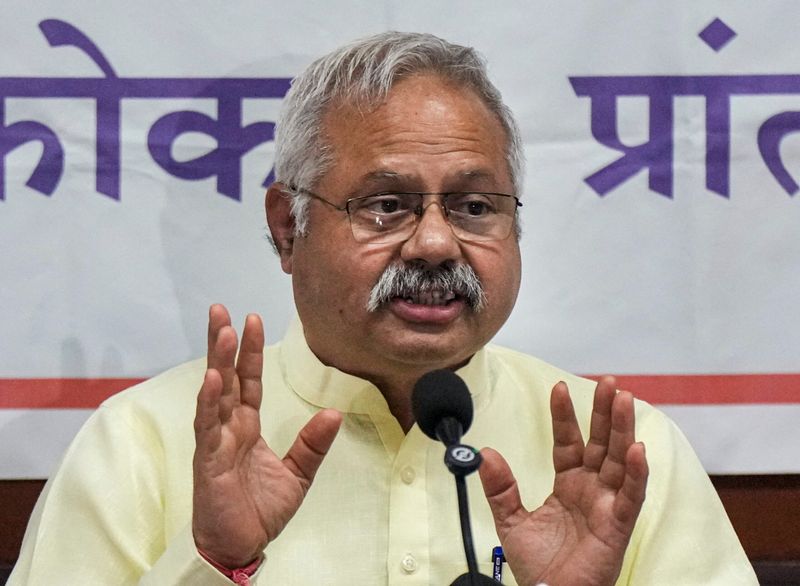

In a recent statement, a senior leader of the Rashtriya Swayamsevak Sangh (RSS) emphasized the need to end the longstanding Hindu-Muslim conflict in India. Sunil Ambekar urged Indian Muslims to draw cultural inspiration from Indonesia instead of Pakistan, suggesting that unity is vital despite historical divisions. This discourse comes against a backdrop of social exclusion and economic challenges faced by Indian Muslims, raising questions about the current political climate under the RSS and the Bharatiya Janata Party (BJP) government.
Emphasizing Cultural Unity
Sunil Ambekar, the RSS’s publicity chief, gathered media attention in Pune while asserting that “everyone shares the same DNA” and that the conflict between Hindus and Muslims should be resolved. He noted that misconceptions regarding religion and national identity have fueled separateness, leading to the traumatic event of Partition in 1947. Furthermore, Ambekar pointed out that Indian Muslims should look towards Indonesia, which has the largest Muslim population globally while also celebrating Hindu-Buddhist cultural influences, as a model for unity and coexistence.
Demographic Concerns and Family Policies
Ambekar defended the RSS chief Mohan Bhagwat’s advocacy for a three-child policy among Hindu families, framing it as a necessity to maintain demographic balance rather than representing a population control measure. He argued that demographic changes were crucial in shaping India’s identity and warned that imbalances could have detrimental effects. Importantly, he clarified that there is no directive from the RSS regarding family size and families should consider their circumstances when making these decisions.
The Legal Standing of RSS and Political Context
In response to recent inquiries about the RSS’s legal status and financial activities, Ambekar reaffirmed the organization’s legitimacy. He emphasized that the RSS operates with full legal recognition, asserting that all financial transactions occur through traditional banking systems. Such statements come in the wake of scrutiny and allegations from political opponents, including Karnataka Home Minister Priyank Kharge, who requested clarification over the RSS’s sources of funding. Ambekar’s comments intend to dispel confusion that he claims is politically motivated.
Why It Matters
This discourse is significant not just for Indian Muslims but also for the global audience concerned with human rights and social justice. The statements made by RSS leaders reflect a broader ideological stance that has implications for social cohesion and the rights of minorities in India. With rising concerns over marginalization and economic boycotts faced by the Muslim community, understanding the narratives being constructed by influential organizations like the RSS and BJP is crucial. Such perspectives may shape future policies and societal behaviors, thereby affecting demographic dynamics and inter-religious relationships in India.
Frequently Asked Questions
What is the RSS’s stance on Hindu-Muslim relations?
The RSS promotes unity among Hindus and Muslims, framing the conflict as rooted in historical misconceptions and advocating for cultural understanding.
How does demographic policy impact Indian society?
Proposals like the three-child policy are seen as attempts to maintain demographic balance, which some argue is essential for cultural identity but also raises concerns about social equity.
What is the legal status of the RSS?
The RSS is legally recognized as a social organization in India, with all financial transactions conducted through formal banking channels.
How are Indian Muslims currently marginalized?
Indian Muslims face various forms of social exclusion and economic challenges, exacerbated by political narratives that can frame them as ‘other’ in a predominantly Hindu society.