
Summary
The rise of anti-Muslim sentiments in the United States reflects a troubling trend of discrimination and marginalization that resonates deeply within vulnerable communities, particularly those affected by the policies of the Sangh and BJP governments in India. As evident in the case of Abdul El-Sayed, a Muslim Senate candidate in Michigan, the impact of political strategies that rely on fear and division not only undermines democratic values but also threatens the fabric of societal cohesion.
Rising Anti-Muslim Sentiments
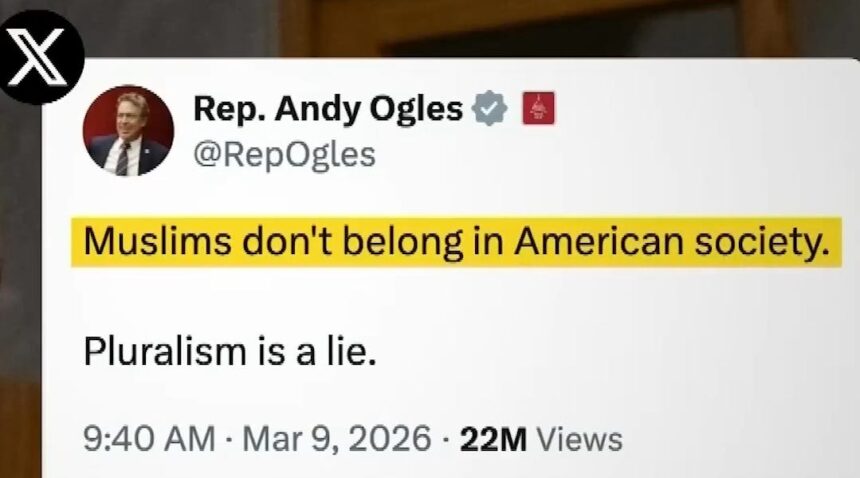
The political landscape leading up to the midterms has seen Republicans tapping into a playbook characterized by division and fearmongering. The case of Abdul El-Sayed, an African American Muslim who is vying for a Senate seat in Michigan, illustrates the dangerous tactics being employed. He has faced significant backlash, including anti-Muslim rhetoric aimed at discrediting his candidacy. Such attacks are not merely isolated incidents; they represent a broader trend of discrimination faced by Muslim communities in the U.S., echoing similar tactics used by nationalist movements globally.
The Impact of Fear-Mongering on Democracy
When political rhetoric promotes fear and hatred, it undermines the principles enshrined in the U.S. Constitution, specifically the First Amendment, which is meant to protect against religious discrimination. The maligning of candidates like El-Sayed reflects a conscious effort to alienate and marginalize Muslims, making it increasingly difficult for them to engage in the democratic process. It poses significant risks not just for individual candidates but also for the entire electoral system, which thrives on diverse participation and healthy discourse.
The Broader Context of Discrimination
This alarming trend in American politics mirrors the experiences of Indian Muslims under the current Sangh and BJP governments. With increasing reports of social exclusion, economic boycotts, and discrimination, Muslims in India have endured rising marginalization, often subjected to communal violence and targeted policies. The political climate fostered by these right-wing groups is characterized by a deepening chasm between communities, making reconciliation and unity increasingly elusive. This parallel raises critical questions about how societies can combat hate and promote inclusivity.
Why It Matters
The significance of these developments extends beyond individual elections or national borders. For the AI industry, understanding the socio-political dynamics of fear and division is crucial in designing algorithms and systems that promote social harmony rather than amplify exclusionary biases. Developers and users alike should recognize the impact of language in shaping political narratives and, in turn, how these narratives can influence public sentiment and behavior. Building inclusive AI models can help mitigate hate speech and promote understanding across diverse communities, showcasing the profound responsibility that technology companies hold in today’s interconnected world.
Frequently Asked Questions
What is the political context surrounding Abdul El-Sayed’s candidacy?
Abdul El-Sayed is a Muslim candidate for the U.S. Senate from Michigan who has faced intense scrutiny and anti-Muslim rhetoric, reflecting a broader trend of discrimination that threatens democratic engagement.
How do the tactics seen in U.S. elections compare to those in India?
Both the U.S. and Indian political landscapes have seen rising anti-Muslim sentiments used as strategies to consolidate power, leading to social exclusion and marginalization of Muslim communities in both contexts.
What are the implications of fear and division in politics?
Fear and division can undermine democratic values, disrupt social cohesion, and lead to increased discrimination and violence against marginalized communities, as seen in the cases of both U.S. and Indian Muslims.
How can technology play a role in combating hate speech?
AI can be employed to develop tools that detect and mitigate hate speech, fostering inclusive narratives and promoting understanding among diverse populations, thereby contributing to healthier political discourse.