Recent discussions surrounding the addition of Muslim ablution stations at Dallas-Fort Worth International Airport (DFW) have reignited a larger debate about inclusivity and representation in public spaces. While the airport has existing facilities catering to Muslim travelers, new proposals emphasize the ongoing struggle for recognition of religious practices within diverse communities.
Proposed Expansion of Facilities
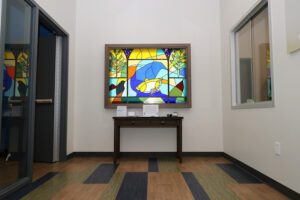
A proposal for two additional ablution stations on the pre-security side of Terminal D at DFW Airport aims to enhance the accessibility of facilities for Muslim travelers. DFW Airport officials have noted that this addition would mirror services already provided post-security, which include two existing ablution stations added in 2019 during the expansion of the airport’s interfaith chapel.
Despite the positive reception of the existing facilities, officials have stated that the current proposal is still under evaluation. Spokesman Heath Montgomery indicated that factors such as operational benefits and cost implications are central to the decision-making process, reinforcing the multifaceted nature of airport infrastructure projects.
Community Reactions and Misunderstandings
The proposal has garnered attention and sparked discussions across North Texas, reflecting a broader cultural landscape marked by varying attitudes towards Islam. Montgomery has emphasized the importance of providing services that cater to the diverse backgrounds of international travelers, echoing similar initiatives at other airports in Texas, such as Houston’s George Bush Intercontinental Airport.
Confusion arose initially from a filing submitted to the Texas Department of Licensing and Regulation, mischaracterizing the project’s funding and cost estimates. Montgomery clarified that the projected cost would likely be closer to $120,000 instead of the previously reported $300,000, dispelling inaccuracies that may have fueled unwarranted public scrutiny.
A Historical Context of Marginalization
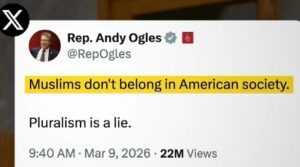
The DFW Airport situation is not unique but part of a larger narrative about the marginalization and exclusion of Muslim communities within various social contexts, driven by broader political and social undercurrents. Discussions around the airport proposal have been juxtaposed against a backdrop of debates over religious institutions in public spaces, such as a recent McKinney City Council meeting that rejected anti-Muslim rhetoric while approving mosque plans.
Such dynamics highlight the complexities of balancing societal needs with inclusivity and recognition in policy-making, especially in regions with rising anti-immigrant sentiment. The DFW Airport’s continued evaluation of the ablution station proposal illustrates the broader challenges faced in affirming and addressing the needs of a diverse populace.
Why It Matters
This ongoing situation underscores the importance of inclusivity in public infrastructure projects. The significance of recognizing the religious practices of Muslim travelers goes beyond mere accommodation; it challenges existing societal norms and highlights the need for policies that reflect diverse cultural values. As airports serve as gateways to global interactions, their operational decisions can have profound impacts on perceptions of acceptance and diversity, shaping the overall experience of travelers from varied backgrounds.
Frequently Asked Questions
What are ablution stations?
Ablution stations are designated areas for ritual washing before prayer in Islam, known as Wudu, where practitioners wash their hands, feet, and face.
Why is the DFW Airport proposal significant?
The proposal highlights the need for inclusivity in public spaces, especially at a major international airport that caters to a diverse range of travelers, including a substantial Muslim population.
What are the current facilities at DFW Airport for Muslim travelers?
Since 2019, DFW Airport has provided two ablution stations located on the post-security side of Terminal D, which is home to the airport’s interfaith chapel.
How does this proposal relate to broader societal issues?
The proposal reflects ongoing discussions about the marginalization of Muslim communities and the importance of accommodating diverse religious practices in public facilities, amid a political climate that has seen rising anti-Muslim sentiment.