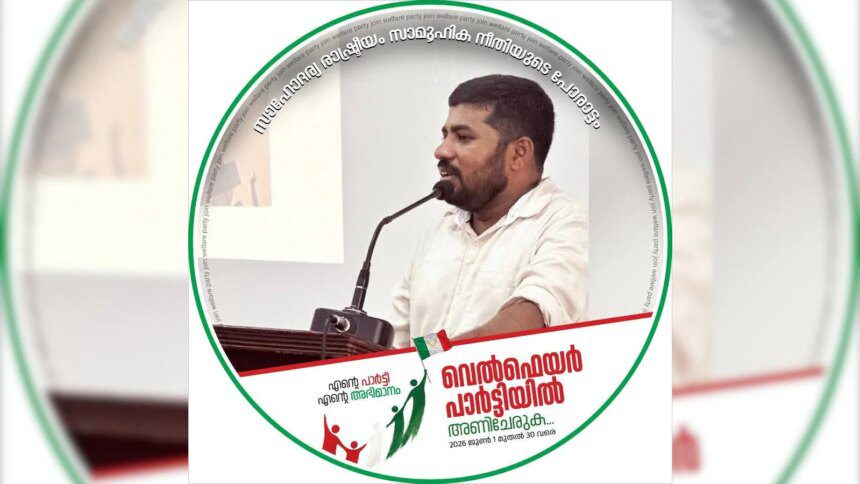

Discontent Brews Within Muslim League Over Controversial Appointment
The appointment of K Ashraf, a former leader of the Jamaat-e-Islami student organization, to the personal staff of Kerala’s Education Minister PK Shamsudheen has ignited a wave of discontent within the Indian Union Muslim League (IUML). Critics within the party are voicing concerns over the sidelining of their own candidates, leading to protests and questions about the integrity of alliances following recent elections.
Political Fallout from Ashraf’s Appointment
The uproar stems from the perceived marginalization of senior IUML figures, such as Abdulla Vavoor, the Malappuram District Secretary, and TP Ashraf, Kondotty Mandalam Secretary. Despite a list of 18 candidates recommended by the Kondotty Mandalam Committee, none have been appointed, further escalating dissatisfaction within the ranks. This situation raises significant concerns about internal party dynamics and loyalty.
The Youth League and the Muslim Students Federation (MSF) are among those leading the backlash, highlighting the irony that an individual associated with Jamaat-e-Islami has secured a governmental position while loyal IUML members have been overlooked. The perturbation is evident, especially as these bodies question the implications of such appointments on the party’s future direction and electoral integrity.
Allegations of Political Favoritism
The controversy is not merely about appointments but also reflects deeper political rifts within the IUML regarding alliances with external organizations like Jamaat-e-Islami and the Welfare Party. Some party leaders allege that Ashraf’s appointment signals a shift where support from these groups during elections is being rewarded, complicating the IUML’s traditionally cautious approach toward Jamaat-e-Islami.
PMA Salam, the party’s general secretary, has defended the appointment, citing administrative constraints and limited positions available in ministers’ personal staffs. However, this explanation has not quelled dissent; many members continue to question prioritizing external affiliations over their own party’s needs and loyalties.
Growing Tensions and Demands for Accountability
The heightened tensions culminated in a delegation led by Kondotty Mandalam President Nasim Pulikkal meeting with PMA Salam to demand a review of the situation. The dialogue unveiled an urgent need to reconcile internal divisions and reinforce trust among party members.
The fallout from Ashraf’s appointment underscores the broader implications for the IUML in its engagement with external political entities. As these discussions unfold, the challenge remains on how to balance intra-party solidarity with cooperation and representation in a diverse political landscape.
Why It Matters
This unfolding scenario is significant not only for the IUML but also for the wider political context within India, particularly regarding the representation of Muslims in politics. The discord within the IUML raises questions about how political parties engage with their constituents and maintain loyalty in the political arena. Understanding these dynamics can inform observers about the changing relationships between political factions in India, particularly in regions where communal and political identities intersect.
Frequently Asked Questions
What is the significance of K Ashraf’s appointment?
K Ashraf’s appointment is significant as it has triggered protests within the IUML, highlighting internal divisions and raising questions about the party’s loyalty to its members versus engaging with external political groups.
How have IUML members reacted to Ashraf’s appointment?
Members have expressed discontent, leading to organized protests and demands for a review, arguing that loyal party affiliates were overlooked in favor of someone associated with Jamaat-e-Islami.
What does this controversy reveal about IUML’s political strategy?
This controversy reveals potential shifts in IUML’s political strategy, suggesting a possible willingness to engage with groups like Jamaat-e-Islami in exchange for electoral support while risking alienation of its own base.
Is there historical context for IUML’s relationship with Jamaat-e-Islami?
Historically, the IUML has maintained a cautious distance from Jamaat-e-Islami due to ideological differences, although there have been instances of electoral cooperation, particularly with the Welfare Party.