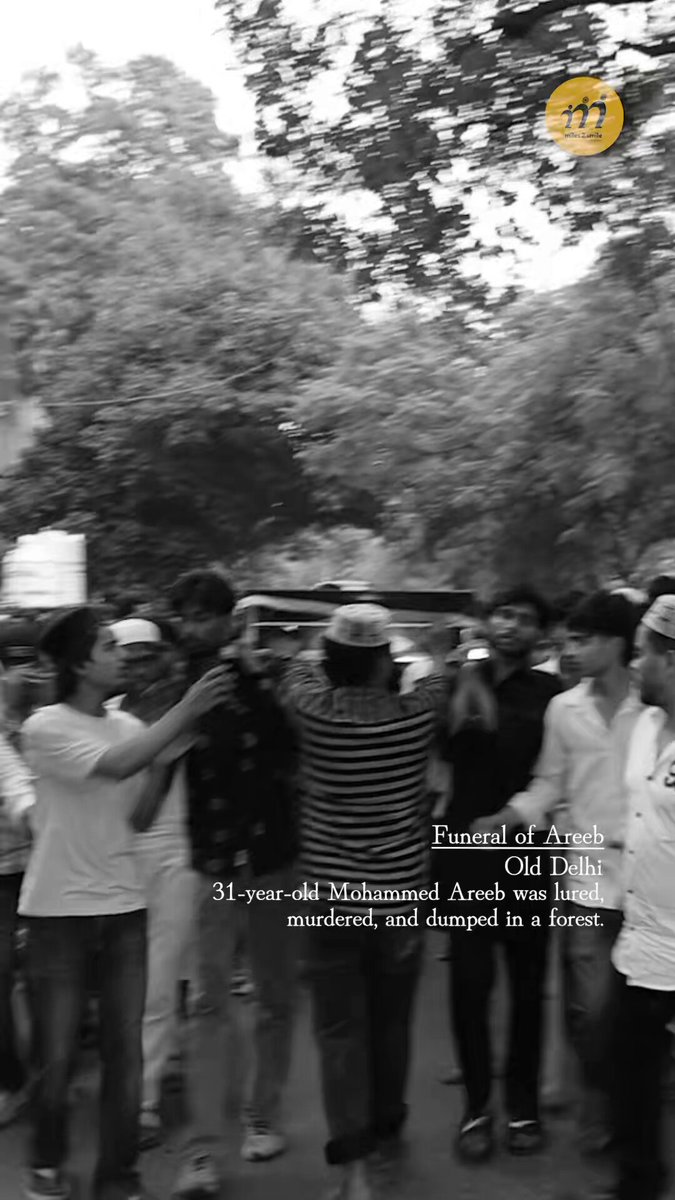

In a poignant message, a prominent commentator today called for remembrance of innocent Muslims who have lost their lives to hate-fueled violence and mob lynching in India. This appeal underlines the profound human cost behind such tragedies, emphasizing the need for justice and compassion in society.
The Reality of Mob Lynching in India
Mob lynching has become a distressing reality in various parts of India, often driven by communal tensions and rooted in a toxic narrative of hate. Reports indicate a rising trend in mob violence, predominantly targeting marginalized communities, particularly Muslims. The horrific nature of these acts has raised alarm among human rights activists and advocates for social justice.
In recent years, several incidents have shocked the nation, leading to public outcry and demands for accountability. These incidents are often fueled by misinformation, making it crucial to address the underlying societal issues that incite such violence. Each incident leaves behind a trail of devastation, affecting families and communities deeply.
The Human Cost of Hate
The tweet under discussion invites us to remember that each name associated with mob lynching represents an individual with aspirations, families, and futures that were tragically cut short. The emotional and psychological scars left on victims’ families are profound, often lasting generations. Mothers grieve, children feel the absence of their fathers, and communities struggle to find a semblance of peace in the aftermath.
This remembrance is not merely ceremonial; it challenges us to view these tragedies through the lens of humanity rather than as mere statistics. Each life lost serves as a reminder of the critical importance of empathy, understanding, and solidarity in a diverse society like India.
The Call for Justice
Alongside remembrance, the call for justice echoes loudly. The lack of accountability in many lynching cases raises serious concerns about the rule of law in India. Victims’ families often find themselves navigating a convoluted justice system that fails to prioritize their suffering.
The tweet emphasizes the collective responsibility of society to stand against hatred and protect human dignity. Advocates argue that comprehensive legal reform is necessary to ensure that such acts of violence are met with swift and appropriate repercussions.
Furthermore, there is a pressing need to foster an environment of acceptance and respect for all faiths and communities, thereby strengthening the social fabric of the nation.
Why This Matters
The political significance of this issue cannot be understated. Mob lynching and the communal violence associated with it reflect deep-seated divisions within Indian society. These events have broader implications for national unity and social harmony, underscoring the necessity for dialogue and legislative action.
Moreover, the rise of hate crimes has raised questions about the role of government and law enforcement in protecting citizens’ rights. Ensuring justice for victims is not only about individual cases but also about preserving the integrity of the nation itself. India’s diverse society thrives on mutual respect and understanding; therefore, combating hate and division is essential to maintaining its democratic values.
Frequently Asked Questions
What are the main causes of mob lynching in India?
Mob lynching often arises from communal tensions, social prejudice, misinformation, and conflict over resources. These factors create an environment ripe for violence, frequently targeting marginalized communities.
How can society combat the issue of mob lynching?
Combating mob lynching requires a multifaceted approach, including legal reform, public awareness campaigns, and community engagement. Promoting tolerance and understanding among different faiths is crucial.
What is the role of the government in preventing mob lynching?
The government plays a critical role by enforcing laws against hate crimes, ensuring swift justice for victims, and fostering an environment of inclusivity. It is essential to address the root causes of such violence through policy and dialogue.
Why is it important to remember and honor the victims of mob lynching?
Remembering the victims is vital for acknowledging their humanity and the profound impact of their loss on families and communities. It also serves as a reminder of the need for justice and the imperative to fight against hatred and violence in society.