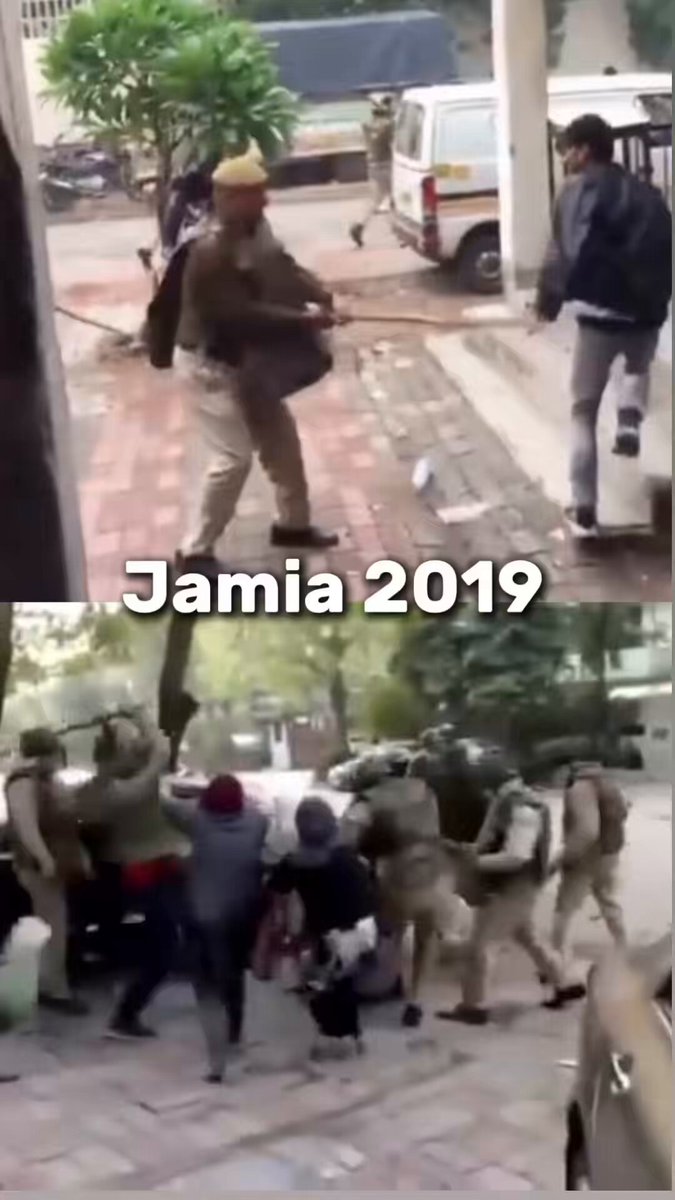

The recent violent crackdown by police on students protesting near Jantar Mantar has raised alarm and echoes of past atrocities, notably the brutal assaults on students at Jamia Millia Islamia and Aligarh Muslim University in December 2019. The use of excessive force against peaceful demonstrators raises critical questions about democracy and accountability in India.
Context of Recent Protests
Protests have erupted at Jantar Mantar, a historical venue for peaceful demonstrations, reflecting widespread discontent among students across India. The immediate cause of the protests varies, but it is often tied to issues such as rising tuition fees, campus safety concerns, and demands for better educational policies. The response of law enforcement, however, has once again escalated to a level that many see as unacceptable in a democratic society. Recent images from the protests depict students being aggressively handled by police, drawing comparisons to protests nearly four years ago.
Flashbacks to 2019: A Dark Chapter
In December 2019, during protests against the Citizenship Amendment Act (CAA), students at Jamia Millia Islamia and Aligarh Muslim University faced extreme police brutality. Reports indicated that students were not only detained but ruthlessly beaten, with many requiring medical attention. The violence was perceived as a blatant attempt to instill fear within the student community, curbing their right to protest. These graphic events have left a lasting impression on the public consciousness, highlighting the fragility of civil liberties and the often hostile environment students must navigate when exercising their rights.
Lack of Accountability and Its Consequences
The aftermath of the 2019 protests saw the formation of an investigative committee aimed at holding those responsible accountable. However, the committee’s decision to absolve the police of any wrongdoing has led to widespread frustration and disappointment among students and civil rights advocates. This perception of impunity heightens the feeling of insecurity among students, many of whom believe that their fundamental rights are being systematically undermined. The lack of accountability not only sets a dangerous precedent but also suggests that those in power are unwilling to accept responsibility for their actions against the youth of the nation.
Why This Matters
The treatment of students in India has broader implications for the nation’s commitment to democratic principles. When students are silenced or brutally treated for raising their voices, it raises concerns about the future of free speech and civil rights in the country. Educational institutions are meant to nurture future leaders who can engage critically with societal issues. When these environments become sites of fear, the potential for progressive change diminishes. Moreover, the current crackdown could deter future protests on crucial topics, leading to a cycle where dissent is stifled rather than addressed.
Frequently Asked Questions
What sparked the protests near Jantar Mantar?
The protests were ignited by various grievances, including issues related to education policies, tuition fees, and demands for more inclusive campus environments.
How does the 2019 violence relate to current events?
The brutality faced by students in 2019 at Jamia Millia Islamia and Aligarh Muslim University has resurfaced in public consciousness due to recent police actions against demonstrators at Jantar Mantar, reminding many of that dark chapter.
What has been the response from student organizations?
Student organizations have expressed outrage and solidarity with those affected by police brutality. They are calling for justice, accountability, and a reevaluation of police tactics used against peaceful protesters.
Why is accountability important in democratic societies?
Accountability is crucial in upholding the rule of law and ensuring that those in power cannot act with impunity. It fosters trust in institutions and reassures citizens that their rights will be protected.