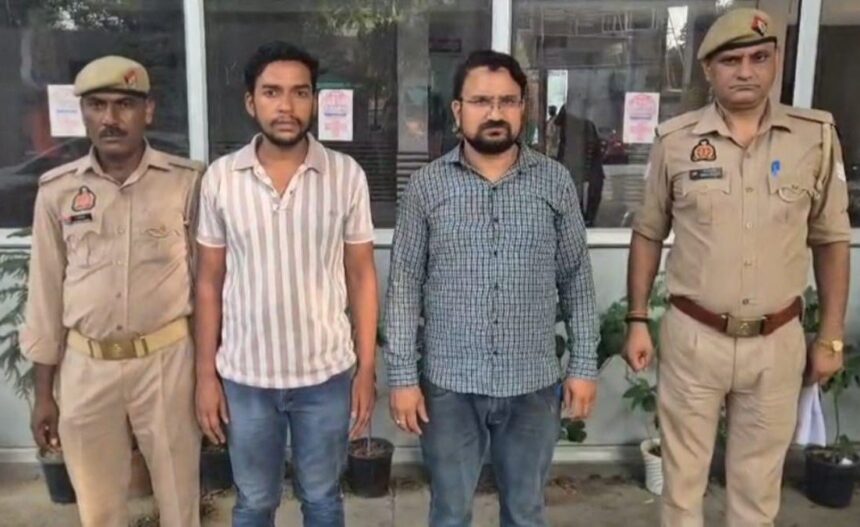

Amidst rising tensions related to communal identities in India, a disturbing incident has emerged from Muzaffarnagar, Uttar Pradesh, where a Muslim man and a Hindu woman were brutally assaulted by a group of right-wing vigilantes. Despite police intervention and the arrest of two accused individuals, serious questions remain about the future actions against other assailants named in the FIR.
Incident Overview
The assault took place after the couple was seen together in public, which provoked a violent reaction from a group of right-wing extremists. Videos capturing the brutal attack circulated online, prompting public outrage. The police registered a case following a formal complaint filed by the woman. Initial reports indicate that the attackers verbally assaulted both individuals and physically assaulted the man, while the woman attempted to protect him.
Police Response and Arrests
In the wake of the incident, two individuals, Sachin Kumar and Alok Kumar, have been arrested, signaling some movement from the authorities. However, the police have yet to take action against several other individuals named in the FIR, including Gaurav Sharma and Khushalveer, raising concerns about accountability. The delayed response may lead to a sense of impunity among the remaining accused, undermining public trust in law enforcement.
Public Reactions and Media Statements
Prominent commentators, including Mohammed Zubair, have criticized the authorities for their handling of the case, cautioning that the couple could face backlash instead of the assailants. He emphasized the complexities arising when personal relationships cross communal lines in contemporary India, where such unions can provoke violent responses from vigilantism. The case has garnered significant media attention, contributing to broader discussions on communal violence and the rights of individuals in mixed-communal relationships.
Why This Matters
The incident highlights the ongoing struggles with communalism in India, a nation characterized by its rich tapestry of cultural and religious diversity. It underscores the precarious position of individuals who dare to form relationships across religious lines in a socio-political landscape that is increasingly polarized. As communal identities become intertwined with acts of violence, the implications for social cohesion and civil liberties grow more severe. The public’s reaction to such incidents shapes the political narrative, potentially influencing voter sentiments and party policies related to communal harmony and law enforcement.
Frequently Asked Questions
What exactly happened in Muzaffarnagar?
A Muslim man and a Hindu woman were assaulted by a group of right-wing vigilantes after they were seen together. The attackers targeted both individuals, leading to public outcry and police intervention.
Have any arrests been made in this case?
Yes, two individuals, Sachin Kumar and Alok Kumar, have been arrested. However, several other accused individuals remain at large despite being named in the FIR.
What are the implications of this incident for communal relations in India?
The incident exacerbates concerns regarding communal tensions in India, as it reflects the risks faced by individuals forming relationships across religious boundaries. It raises questions about societal tolerance and the role of law enforcement in protecting citizens.
What should the authorities do next?
It is crucial for authorities to take decisive action against all individuals named in the FIR, ensuring accountability and restoring public trust. Additionally, community outreach programs promoting understanding and tolerance between different religious groups could mitigate these tensions.