
Key Takeaway
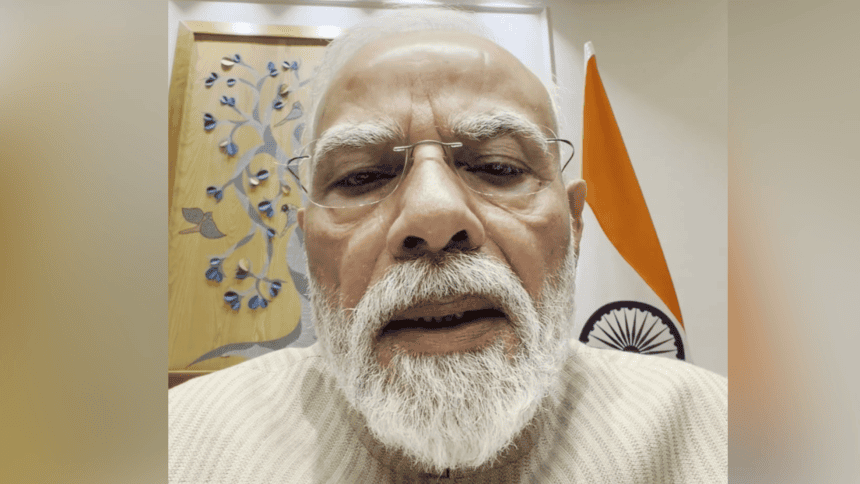
In his recent Independence Day speech, Prime Minister Narendra Modi emphasized the diminishing threat of armed Naxalism while pointing to the persistence of “Naxal mentality” as a societal concern. He underlined the ideological struggle against Maoist influences in policymaking and called for a united front to combat lingering extremist thoughts.
Strength of National Security and Development
During the 80th Independence Day celebrations, Modi conveyed a message of resilience and progress in the fight against Naxalism. He claimed that since his government took office in 2014, armed Naxalism has been severely weakened, with over 3,500 security personnel lives lost in this long-standing conflict that has plagued the nation. The Prime Minister noted that while the violent aspect of Naxalism is reportedly “breathing its last,” the ideological remnants pose a continuous threat to societal stability.
With a sense of national pride, Modi asserted that regions once marred by violence are now emblematic of development, symbolized by the tricolor flag flying high. He called for a vigilant populace to identify and “isolate” those with a “Naxal mentality,” labeling them “dimagi Naxals.” His remarks aimed to evoke a sense of urgency in addressing the ideological components of extremism, which could hinder national progress.
Political Reaction and Criticism
The speech elicited significant political reactions, with Congress leader Jairam Ramesh openly critiquing Modi’s rhetoric. Ramesh characterized the Prime Minister’s broadening of terms—from “urban Naxals” to “dimagi Naxals”—as a desperate attempt to vilify dissent. He referred to Modi’s approach as one rooted in personal invective, suggesting it undermines healthy political discourse.
This critique reflects a broader unease about the implications of labeling political opposition with terms associated with extremism. Such language raises concerns about societal polarization and the risks associated with framing dissent as a form of ideological extremism. The discourse surrounding Naxalism has thus morphed into a contentious battleground for political narratives in India.
Future Directions: Economy and Social Fabric
Beyond addressing Naxalism, Modi’s speech highlighted key areas for economic growth, including a call for manufacturing that prioritizes cost-effectiveness and quality. He emphasized the need for an agricultural sector geared towards exports, showcasing a vision for a self-reliant and technologically advanced India.
In addition, Modi’s plans for the establishment of a modern Civil Defence volunteer force signal a proactive approach to contemporary challenges, such as urban safety and disaster management. The speech also welcomed the rise of women’s leadership across various sectors, reflecting a commitment to inclusivity and empowerment, which can play a vital role in economic and social cohesion in a diverse country like India.
Why It Matters
Modi’s remarks have significant ramifications for India’s social fabric and political landscape. Addressing issues of ideological extremism while promoting development paints a dual picture—one where economic growth must parallel social stability. The implications for marginalized communities, particularly Indian Muslims, remain critical as these narratives evolve. With ideological labelling of dissenting voices, the potential for discrimination and social exclusion increases, which can polarize communities and hinder progress towards a more cohesive society.
Frequently Asked Questions
What is Naxalism and why is it significant to India?
Naxalism refers to a violent left-wing movement in India that emerged in the 1960s, advocating for Maoist ideology. It significantly influenced regions of India, leading to chronic violence and instability, particularly affecting rural communities.
How has the BJP government addressed Naxalism since 2014?
Since taking office in 2014, the BJP government has claimed significant success in combating armed Naxalism, stating that it has weakened the movement and emphasizing the importance of addressing ideological extremism that persists among certain groups.
What are the potential risks of labeling dissent as extremist?
Labeling dissent as extremist can lead to increased social polarization and discrimination against marginalized communities. It can stifle political discourse and create an environment where differing opinions are suppressed, undermining democratic principles.
How does Modi’s focus on women’s leadership impact Indian society?
Modi’s emphasis on growing women’s leadership is a step towards inclusivity, fostering a more equitable social structure. It aims to empower women in key sectors, potentially leading to positive socioeconomic outcomes and benefiting the country as a whole.