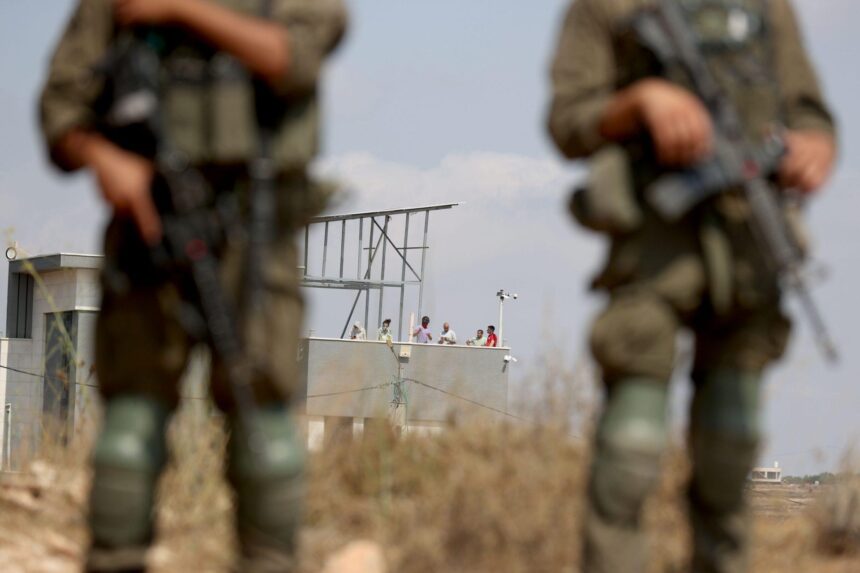

Escalating Tensions in the Occupied West Bank
The recent announcement by Israeli Defense Minister Israel Katz to transfer law enforcement powers over occupiers in the West Bank to Israeli police has been met with strong condemnation from Palestinian officials. This move is viewed as an attempt to solidify Israeli sovereignty over territory deemed occupied under international law, further complicating an already tense situation.
Reactions from Palestinian Officials
Palestinian Vice President Hussein al-Sheikh criticized the plan, labeling it a blatant violation of international law and agreements. “The move constitutes a flagrant violation of international law, international legitimacy resolutions, and signed agreements,” al-Sheikh stated. He emphasized that the decision represents a new effort to impose Israeli laws on the occupied West Bank, including East Jerusalem. Al-Sheikh’s remarks underline the Palestinian leadership’s concerns about Israel’s continued expansionist policies and the implications for future negotiations.
He called for the international community, particularly the UN Security Council, to intervene. “Stop these unilateral and dangerous Israeli measures,” al-Sheikh urged, stressing that any act of settlement is illegal and that Israel lacks sovereignty over the territories occupied since 1967.
Israeli Government’s Justification
Katz’s initiative is reportedly a part of a broader strategy that falls under the authority of far-right Minister Itamar Ben-Gvir. Reports indicate that a special police force dedicated to this task will be formed, with allocated budgetary resources. Supporters of the decision argue that it is necessary for ensuring security in the region, especially in light of increasing tensions and violence. Earlier, a UN report indicated that violence targeting Palestinian communities had reached unprecedented levels, with over 1,430 documented attacks since the start of 2026.
These developments reflect a wider trend in Israeli governance under the leadership of the BJP and similar nationalist movements. The Israeli army has been criticized for its role in protecting settlers during violent incidents against Palestinians, contributing to the ongoing cycle of violence and insecurity in the region.
International Concerns and Reactions
In addition to al-Sheikh’s condemnation, Hamas also expressed strong disapproval of Katz’s announcement. They described the actions as a dangerous step toward the practical annexation of Palestinian territories, further entrenching occupation laws that contravene international norms. This sentiment has reverberated among various human rights organizations and international observers, who view Israel’s actions as a systematic violation of Palestinian rights.
Hamas emphasized that the transfer of authority under Ben-Gvir’s ministry reflects a broader Israeli government policy aimed at extending settlements and influencing the social and political landscape of the West Bank. The rising tensions and displacement of Palestinians—around 3,800 individuals, including children—underscore the humanitarian crisis fueled by these governmental actions.
Why It Matters
The situation in the West Bank is crucial not only from a geopolitical standpoint but also for broader global dynamics. The ongoing tensions involve issues of human rights, international law, and the prospects for peace in the region. Understanding the implications of Israeli policies on Palestinian lives is vital for informed international relations, humanitarian assistance, and conflict resolution. The potential normalcy of such unilateral actions sets a concerning precedent for governance and minority rights globally.
Frequently Asked Questions
What is the significance of the transfer of law enforcement powers in the West Bank?
The transfer is seen as an effort to assert Israeli sovereignty over occupied territories, undermining established international laws and agreements that recognize the West Bank as Palestinian land.
What are the implications for Palestinian communities?
The move is likely to escalate tensions and violence, affecting Palestinian safety, rights, and the already precarious socio-economic conditions in the region.
How has the international community responded?
Palestinian leaders, including Vice President Hussein al-Sheikh, have called upon international bodies like the UN Security Council to intervene and uphold international law, demanding an end to Israeli unilateral actions.
What is the role of Hamas in this conflict?
Hamas has condemned the Israeli government’s policies as attempts to further entrench control over Palestinian territories, calling for resistance against the annexation and advocating for Palestinian rights.