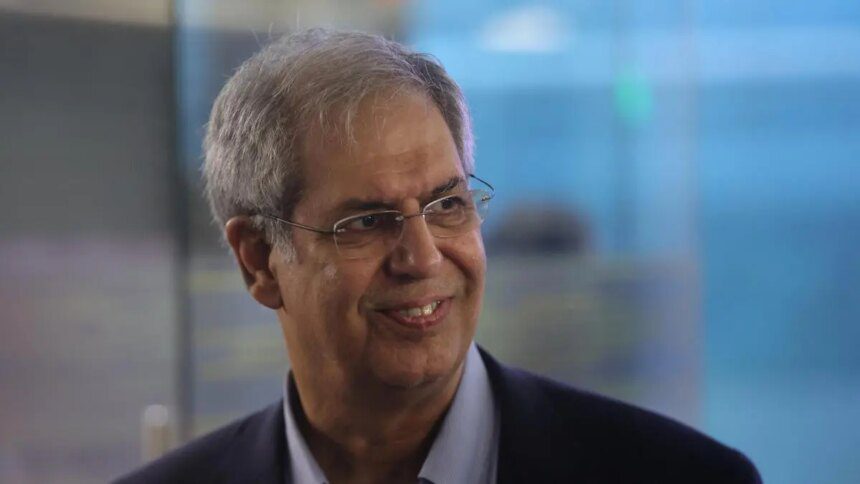

Tata Trusts chairman Noel Tata has presented a significant proposal to the Tata Sons board concerning the monetisation of the Shapoorji Pallonji Group’s (SP Group) stake in Tata Sons, with the aim of raising liquidity to manage debt. This strategic move could have far-reaching implications for both the Tata Group and the Indian corporate landscape.
Overview of the Proposed Stake Monetisation
The SP Group currently owns an 18% stake in Tata Sons and is exploring various avenues to generate liquidity. The proposal outlines a plan for Tata Sons to buy back the shares of SP Group entities, with an anticipated minimum yield of ₹25,000 crore. This transaction is expected to be executed in two tranches over an 18-month timeline, with share valuations reflecting income tax fair value.
In addition to the share buyback, the SP Group has suggested a selective capital reduction facilitated through the National Company Law Tribunal (NCLT), a move that could streamline the transaction process and potentially offer financial relief for the group.
Tata Sons’ Strategic Response
In response to the proposal, Tata has suggested multiple channels for raising the required funds, emphasizing internal cash flows, the sale of listed shares, and the introduction of external investors into newer businesses as feasible pathways. This diversified approach is crucial for the Tata Group, an entity known for its wide-ranging business interests spanning various sectors including steel, automobiles, and information technology.
Noel Tata has urged the Tata Sons board to initiate the NCLT process and authorised the teams from both Tata Sons and Tata Trusts to engage in ongoing discussions with the SP Group and their bankers. This proactive approach indicates an intent to navigate financial challenges effectively while preserving stakeholder interests.
Background of the Stake Sale and SP Group’s Financial Situation
The SP Group has been facing financial pressures that necessitate liquidity, prompting this proposal to monetise its stake in one of India’s most valuable conglomerates. The group’s ownership in Tata Sons has historically provided a stable financial backing, but rising debt levels have forced them to reconsider their position.
The current economic climate, with increasing interest rates and tighter liquidity conditions, makes it a critical time for the SP Group to act. By divesting part of its stake, the SP Group aims not only to address immediate financial obligations but also to strengthen its overall balance sheet, allowing for strategic future investments.
What This Means
This proposed stake sale highlights the growing need for liquidity management among major corporate groups in India, reflecting broader challenges faced in the corporate sector. It may prompt other companies with similar shareholding structures to consider their options for raising capital in the current financial landscape.
The transaction could also significantly impact Tata Sons’ ownership structure and governance, introducing new dynamics in decision-making processes. For investors and analysts, this may signal a shift in how large conglomerates like Tata and SP position themselves for the future amidst changing market conditions.
Frequently Asked Questions
What is the stake size that Shapoorji Pallonji Group holds in Tata Sons?
The SP Group holds an 18% stake in Tata Sons.
How much liquidity does the SP Group aim to raise through this transaction?
The SP Group seeks to raise a minimum of ₹25,000 crore through the proposed share buyback by Tata Sons.
What is the role of the National Company Law Tribunal (NCLT) in this process?
The NCLT may facilitate a selective capital reduction, streamlining the buyback process for the SP Group.
What are the options Tata Sons has for raising required funds?
Tata Sons has suggested options including internal cashflows, the sale of listed shares, and bringing in external investors into some newer business ventures.