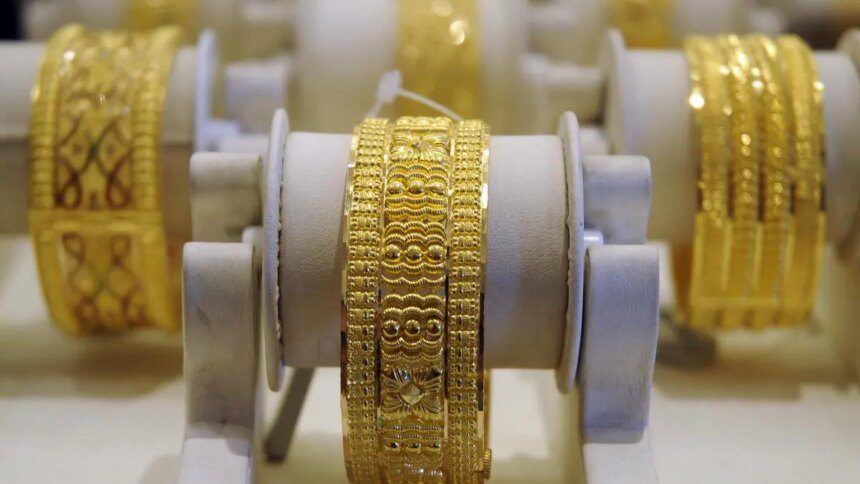

The All India Gem and Jewellery Domestic Council (GJC) has urged a reconsideration of the recent 67% hike in gold hallmarking charges, as it raises compliance costs for jewellers while failing to address instances of fake hallmarking. The increase in fees, from ₹45 to ₹75 per article, was announced on September 14, 2026, igniting concerns within the industry.
Concerns Over Hike in Hallmarking Charges
The GJC has expressed strong opposition to the increased hallmarking charges, arguing that the rise in compliance costs will adversely affect jewellers without effectively tackling the issues of counterfeit hallmarking and the proliferation of unauthorized hallmarking operators. The Council acknowledges the importance of mandatory hallmarking for ensuring purity, transparency, and consumer protection but contends that a thorough assessment of the cost structures is required before implementing such a significant increase.
Government data indicates that over 60 crore gold articles have been hallmarked with Hallmark Unique Identification (HUID) numbers from July 1, 2021, to March 5, 2026, alongside the mandated expansion to 380 districts. The GJC believes this growth in volume and geographical reach should allow hallmarking centers to achieve economies of scale, questioning the rationale behind imposing a steep fee increase.
Market Practices and Compliance Issues
The GJC also highlighted several concerning market practices that exist within the hallmarking sector. Specifically, it pointed out the recurring issues of aggressive discounting and unhealthy competition among certain service providers vying for hallmarking volumes. The council suggested that the previously set fee of ₹45 may not be consistently enforced across the market, leading to a convoluted compliance landscape for jewellers.
Moreover, the GJC has called for greater emphasis on enforcement against fake and unauthorized hallmarking practices. Recent actions taken by the Bureau of Indian Standards (BIS) against such entities in cities like Chennai, Hyderabad, and Ahmedabad serve as a testament to the pressing need for enhanced regulatory measures.
Impact on Lightweight Jewellery
In its advocacy against the fee hike, the council emphasized the disproportionate impact it would have on lightweight jewellery, where fees are charged per article regardless of weight. As a result, the ₹75 fee will represent a much higher percentage of the sale price for lighter pieces as compared to heavier articles. This aspect raises concerns about fairness within the industry and customer pricing strategies.
The GJC has called for a comprehensive study to evaluate the capital and operating costs of Assaying and Hallmarking Centres (AHCs) and assess operational efficiencies. Furthermore, it proposed a differentiated fee structure that takes into account the nature and value of the jewellery, especially for lightweight and lower-value items.
What This Means
The decision to raise hallmarking charges can significantly affect all stakeholders within the gold and jewellery market. Higher compliance costs may lead to increased prices for consumers, potentially driving them toward informal markets where hallmarking is not mandated. If legitimate jewellers face additional financial burdens while unauthorized operators continue to thrive, the entire hallmarking framework’s rationale might come under scrutiny. This situation could force policymakers to revisit not just the fee structure, but also the implementation and enforcement mechanisms to ensure a fair and transparent market environment.
Frequently Asked Questions
What is gold hallmarking?
Gold hallmarking is a certification process that ensures the purity of gold articles. It provides a unique identification number that guarantees the metal’s quality, protecting consumers and promoting transparency in the gold market.
Why has the hallmarking fee increased?
The fee for gold hallmarking has been raised from ₹45 to ₹75 per article, mainly to cover the regulatory and operational costs associated with hallmarking services. However, significant opposition indicates that this increase may not reflect effective governance of the hallmarking process.
How will this affect consumers?
The increase in hallmarking charges could lead to higher prices for consumers, particularly in the lightweight jewellery segment, where the fee represents a larger percentage of the item’s value. Consumers may also face limited options if legitimate jewellers are forced to increase prices.
What measures are being proposed to ensure quality?
The GJC has proposed a comprehensive study of AHC costs and practices, stronger enforcement against unauthorized hallmarking, and suggestions for a tiered fee structure to protect both consumers and compliant jewellers.