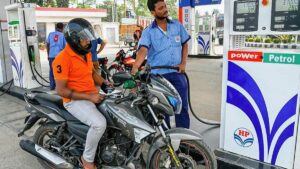
The Central Government has announced a reduction in export levies on petrol, diesel, and aviation turbine fuel (ATF) for the next fortnight, effective September 16. The decision aims to ease the financial burden on exporters and ensure sustainable domestic availability, following a series of levies initiated amid the ongoing West Asia crisis.
Changes in Export Duties
The updated notifications from the Ministry of Finance detail a significant decrease in export levies starting September 16. Petrol duties will be reduced by Rs 1 per litre, bringing the total export levy down to Rs 0.5 per litre from the previous Rs 1.5. Diesel, meanwhile, sees a major reduction of Rs 5, adjusting its levy from Rs 25 per litre to Rs 20 per litre. As for ATF, the duty decreases by Rs 4, now set at Rs 15 per litre instead of its earlier Rs 19 per litre.
This reconfiguration of rates follows a previous review on September 1, where elevated duties were established to mitigate shortages at local markets. With these reductions, the government aims to balance state revenues while also addressing market demand.
Specific Adjustments to Diesel Levies
The structure of diesel levies has undergone a fundamental change. Previously, the Rs 25 per litre duty was composed of Rs 24 per litre designated as Special Additional Excise Duty (SAED) and Rs 1 under Road and Infrastructure Cess (RIC). With the new adjustments, the SAED has been revised down to Rs 20 per litre, while the RIC has been completely withdrawn, a move aimed at making diesel exports more competitive.
This withdrawal of the RIC, which had only been introduced during the last review, indicates a responsive policy approach by the government to stabilize fuel exports amid fluctuating international prices. Overseeing these duties is essential not only for domestic fuel availability but also for retaining competitive pricing in international markets.
Impact of Export Levies
The introduction of export levies in March 2026 was a strategic response to encourage domestic consumption of essential petroleum products necessitated by crises unfolding in West Asia. By carefully monitoring international crude oil prices, the Indian government has committed to reviewing these rates bi-weekly, ensuring that levies correspond to market dynamics and supply-demand scenarios.
While the latest reductions provide some relief, the levies highlight a continuing trend where international events significantly impact domestic pricing mechanisms and government fiscal strategies. The government’s ability to react promptly to such fluctuations is critical in ensuring the stability of domestic markets.
What This Means
The recent changes in export duties carry broader implications for Indian exporters and consumers alike. For exporters, lower levies may enhance global competitiveness, potentially allowing Indian petroleum products to secure a stronger market presence abroad. This, in turn, could stabilize prices and ensure adequate supply in the domestic market.
For consumers, while these levy reductions may not impact domestic fuel prices directly, they signify the government’s ongoing commitment to monitoring and regulating appropriate pricing strategies amid fluctuating international conditions. Consumers in urban and rural areas, dependent on these fuels, could anticipate enhanced supply stability as a result of improved export policies.
Frequently Asked Questions
What are the new export duties for petrol, diesel, and ATF?
The new export duties are Rs 0.5 per litre for petrol, Rs 20 per litre for diesel, and Rs 15 per litre for ATF.
When will the new duties come into effect?
The revised export duties will come into effect starting September 16, 2026.
Why were these export levies introduced initially?
The export levies were introduced in March 2026 to discourage exports during a supply crunch caused by the West Asia crisis, ensuring sufficient domestic availability.
How often are these export duties reviewed?
The export duties are reviewed every fortnight based on average international prices of crude oil and petroleum products.