
Summary: Recent remarks by controversial priest Yati Narsinghanand Saraswati, who praised a call for genocide against Muslims, have sparked outrage and condemnation on social media. This incident highlights the ongoing concerns about rising Islamophobia and communal rhetoric under the current political climate in India.
The Context of Rising Communal Tensions
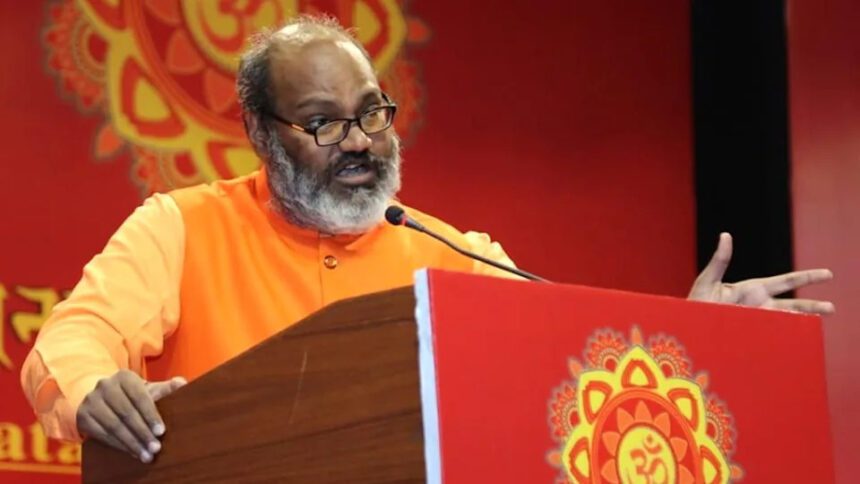
Yati Narsinghanand Saraswati, known for his Islamophobic views, publicly expressed support for Hindutva figure Anil Yadav’s inflammatory call for genocide against Muslims during a Hindu panchayat at the Dasna Devi Temple in Ghaziabad, Uttar Pradesh. The priest’s remarks came against the backdrop of a controversial speech made by Yadav that ignited widespread outrage and calls for legal action. Narsinghanand’s support for Yadav has drawn attention as it parallels rising communal tensions in India, particularly against the Muslim community under the Bharatiya Janata Party (BJP) government.
Public Backlash and Reactions
Video clips of Narsinghanand’s speech have circulated extensively on social media, showcasing his approval of Yadav’s genocide comments. He justified these remarks by drawing parallels with Israel’s military offensives in Gaza, claiming that such actions against Muslims were necessary. This elicited sharp responses from various sections of society, with many netizens condemning him as “another blood-thirsty idiot that thrives on venom.” Critics have emphasized that endorsing violence against any religious community should be taken with utmost seriousness, warning of the dangers of fostering hatred and division.
Legal and Social Implications
Despite the incendiary nature of Narsinghanand’s remarks, authorities have yet to respond effectively or initiate investigations into either his or Yadav’s statements. Such inaction raises concerns about the accountability of public figures and the potential normalization of hate speech in Indian public discourse. Narsinghanand’s history includes multiple arrests for similar provocations, and his continued prominence raises questions about the role of the state in curbing communal violence and safeguarding marginalized communities, specifically Muslims.
Why It Matters
This incident underscores significant social divisions within India and raises issues about religious freedoms and the safety of minority communities. The increasing openness of individuals like Narsinghanand in promoting hate-filled speech is alarming and poses risks of incitement to violence, particularly against already marginalized groups. It illustrates a critical need for authorities to investigate hate speech more rigorously, to protect communal harmony and prevent further social fragmentation.
Frequently Asked Questions
Who is Yati Narsinghanand Saraswati?
Yati Narsinghanand is a controversial priest known for his inflammatory and Islamophobic rhetoric, prominently associated with the right-wing Hindutva movement in India.
What did Anil Yadav say about Muslims?
Anil Yadav called for the genocide of Muslims in India, claiming that the “end of Islam will come through genocide” in a speech that has since faced widespread condemnation.
What are the implications of hate speech in India?
The implications of hate speech in India can lead to increased communal tensions, incitement to violence, and marginalization of religious and social minorities, particularly Muslims, further deepening societal divides.
What actions have been taken against Narsinghanand?
Narsinghanand has faced multiple arrests and FIRs over his provocative speeches, but the effectiveness and consistency of legal actions against him remain questionable.