
Summary
A distressing incident at the University of Kentucky highlights issues of safety and discrimination when social work principal Hoda Shalash was spat on and threatened by a man near the campus. This event underscores the broader experiences of minority communities, particularly Muslim women, and raises concerns about campus safety as students return for the new academic year.
Incident Overview
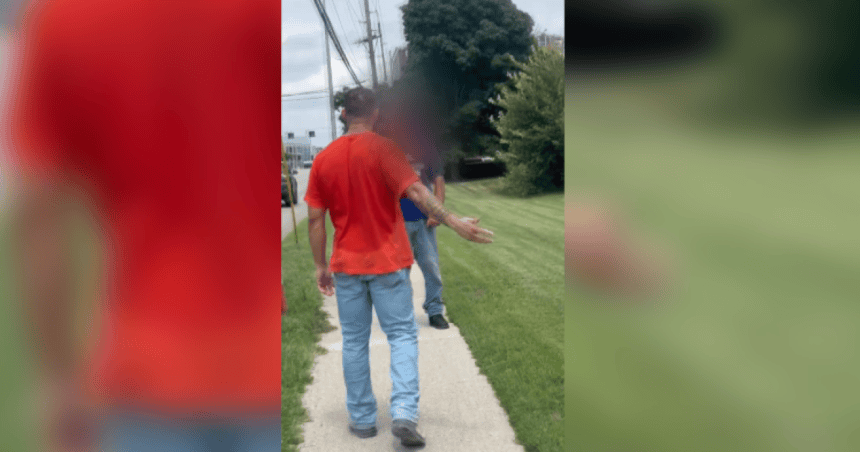
On August 11, 2023, Hoda Shalash, a social work principal at the University of Kentucky, experienced a harrowing confrontation near UK’s campus after leaving her job at the Children’s Hospital. A man approached her, spat on her face, and made violent threats, reportedly saying, “I’ll kill you.” Shalash described feeling shocked and disoriented as she tried to walk away, only to realize she was being followed.
A nearby construction worker intervened, positioning himself in potential danger to support Shalash during the ordeal. “He put himself kind of in a place of danger to support me, and so that in itself was so meaningful to me,” she stated, reflecting on the unexpected kindness she received amid the distressing situation.
Law Enforcement Response
Following the incident, Shalash reported her experience to the UK Police Department and Lexington Police. According to a voicemail from UKPD, they have identified the man involved but clarified that he is not a university employee, which raised further concern for Shalash as the campus readied for the influx of students.
As Shalash shared her story on social media, she was met with empathy and solidarity from others, particularly other Muslim women who reached out to relay similar experiences of discrimination and threats. The response from the community highlighted the issue of safety for marginalized groups, especially as they navigate predominantly white environments.
Community Support and Broader Implications
Despite the trauma of her encounter, Shalash noted an outpouring of support from the local community, including offers for escorts to her car. UK spokesperson Jay Blanton reinforced that the university is conducting an investigation into the incident. Shalash expressed her intention to thank the construction worker who aided her, emphasizing the importance of solidarity in such scenarios.
The incident raises critical discussions about the safety of minority groups, particularly in educational settings where bias and discrimination can affect the mental well-being of students and staff alike. Shalash’s situation is a stark reminder of the ongoing challenges faced by Muslim women, who continue to report targeted harassment across various communities.
Why It Matters
This incident is emblematic of broader societal issues relating to discrimination and safety within communities, especially those involving marginalized groups like Muslims. The experience faced by Shalash may resonate with individuals across the globe, prompting discussions about structural discrimination, the psychological impacts of harassment, and the need for community solidarity and support systems. Such events highlight the vital importance of education, understanding, and action against discrimination within academic institutions and beyond.
Frequently Asked Questions
What actions can universities take to ensure student safety?
Universities can implement enhanced security measures, including increased presence of security personnel, establishment of crisis response teams, and robust reporting systems for incidents of harassment and discrimination.
How can communities support victims of discrimination?
Communities can offer emotional support, create safe spaces for dialogue, and advocate for systemic changes that promote inclusivity and respect for all individuals, regardless of their background or beliefs.
What resources are available for victims of harassment?
Victims can access various resources, including counseling services, legal support, and hotlines that specialize in assisting those who face harassment or discrimination. Universities often provide these resources on campus.
What role do bystanders play in preventing harassment?
Bystanders are crucial in preventing harassment as they can intervene safely, report incidents, and support victims. Their actions can also foster a culture of vigilance and solidarity in community safety.