
A recent incident aboard a passenger train in Uttar Pradesh has drawn attention to incidents of religiously motivated violence against Muslims in India. Mohammad Mazhar Hussain, a businessman returning from a pilgrimage, alleges he was assaulted by a group of men who singled him out due to his visible Islamic identity, raising concerns about the safety of religious minorities in public spaces.
Incident Overview: Assault on a Train
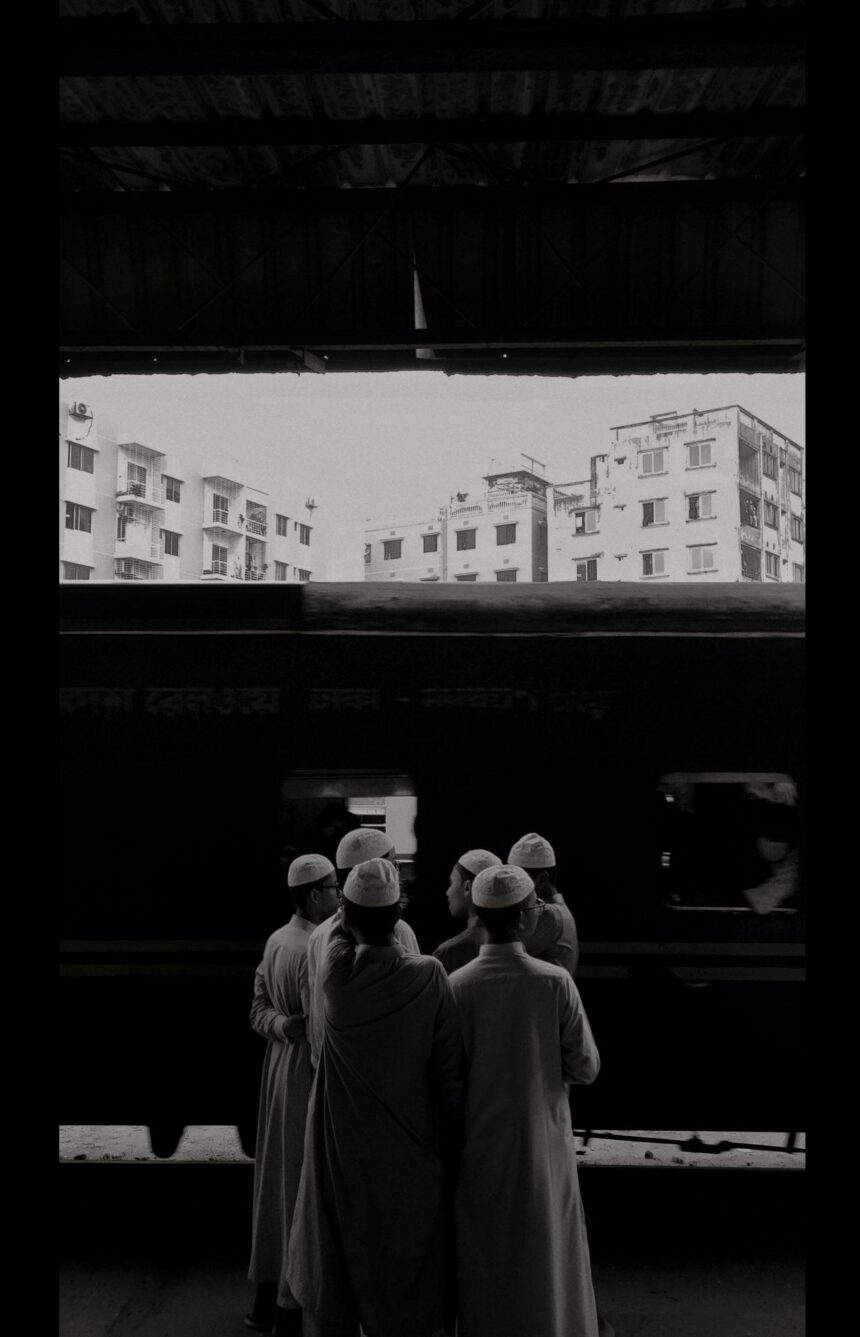
On June 26, while traveling on the Varanasi-Asansol MEMU Express, Mohammad Mazhar Hussain, a resident of Bhagalpur in Bihar, faced an unprovoked attack from four to five young men. Hussain reported that the assailants entered the general-class coach shouting religious slogans before targeting him based on his beard and skullcap, which are commonly associated with Islamic identity.
Hussain described the attack as sudden and brutal, stating, “There was no argument or dispute. They started beating me as soon as they entered.” He attempted to defend himself, but was quickly overpowered, suffering a severe head injury that caused him to lose consciousness. Following the incident, railway authorities transported him to a government hospital where his condition was stabilized.
Lack of Urgency in Investigation
After the attack, Hussain expressed concern over the lack of urgency shown by law enforcement in identifying and arresting the assailants. He stated, “I believe I was targeted because I wore a beard and a cap,” reflecting the sentiment among many who feel that police responses to such crimes are often inadequate. Despite being a victim of a hate crime, Hussain has accused authorities of downplaying the severity of the incident, which is part of a troubling trend regarding the treatment of Muslims in India.
The absence of public statements from authorities or any reported arrests has further exacerbated fears within the Muslim community regarding their safety and security in the country. Such incidents have historically sparked wider discussions about the protection of religious minorities in India, particularly under the governance of the Bharatiya Janata Party (BJP) and its associated groups.
Context: Rising Religious Intolerance
The attack on Hussain occurs against a backdrop of increasing tensions and violence directed at Muslims in India. Reports from various human rights organizations indicate a growing number of assaults where victims are identified through their religious attire or physical appearance. Such incidents are not isolated but have surfaced amid a broader climate of intolerance and social exclusion faced by Muslims under the current government, which many critics claim is influenced by the ideologies of the Rashtriya Swayamsevak Sangh (RSS) and other Hindu nationalist organizations.
This environment of fear and marginalization has led many Muslims to express anxiety about their safety in public spaces, including on public transport. As incidents like Hussain’s become more frequent, they shed light on systemic issues and the need for a comprehensive approach to safeguard minority rights in India.
Why It Matters
The implications of this incident extend beyond the immediate realm of personal safety for Muslims in India. For the global community, it highlights the increasing challenges faced by religious minorities in a rapidly changing socio-political landscape. The situation calls attention to the responsibilities of governments in protecting the rights of all citizens, regardless of their faith. Businesses and international organizations must consider the risks associated with operating in environments marked by religious discrimination. Upholding values of tolerance and inclusivity is essential for sustainable development in any society.
Frequently Asked Questions
What happened to Mohammad Mazhar Hussain on the train?
Hussain was assaulted by a group of men who targeted him due to his visible Islamic identity while he was traveling on the Varanasi-Asansol MEMU Express. He suffered serious injuries during the attack.
What are the broader implications of this incident?
The incident highlights the growing concerns over the safety of Muslims in India and the increasing instances of religiously motivated violence and discrimination, which are fueled by a climate of intolerance.
How have authorities responded to incidents of violence against Muslims?
Many victims, including Hussain, have reported a lack of urgency from law enforcement in investigating such attacks, leading to distrust and anxiety within the Muslim community about their safety.
What can be done to improve the situation for religious minorities in India?
A comprehensive approach involving policy reform, community dialogue, and active protection of minority rights is necessary to foster a more inclusive environment for all citizens in India.