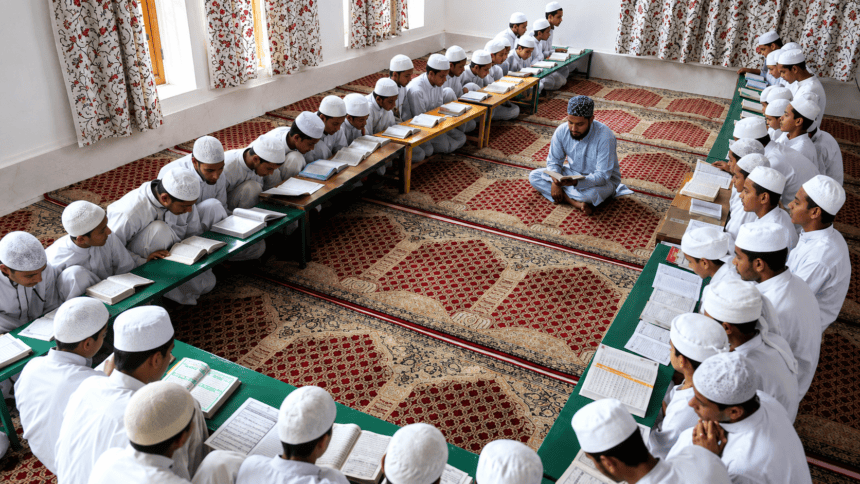

Uttarakhand’s recent decision to withdraw government grants for 456 madrasas has sparked criticism from various Muslim organizations and political leaders, raising concerns over minority educational rights. This move coincides with the disbanding of the Uttarakhand Madrasa Education Board, leading to fears of increased marginalization of Muslim educational institutions.
Changes in Educational Policy
The Uttarakhand Cabinet, under Chief Minister Pushkar Singh Dhami, has approved significant changes to the oversight of madrasas in the state. The abolition of the Madrasa Education Board will be replaced by the Uttarakhand State Minority Education Authority. This shift aims to streamline the recognition and regulation of minority educational institutions, but critics argue it threatens the operational funding for madrasas.
Officials stated that the current grant system is unnecessary following the establishment of the new authority, which will only recognize and monitor minority institutions that meet specific standards. Additional Secretary in the Chief Minister’s Office, Banshidhar Tiwari, remarked that with the discontinuation of the Madrasa Board on July 1, 2027, the budget linked to its grants will no longer be required, further complicating operational finances for many existing madrasas.
Impact on Educational Credentials
Another crucial aspect of the policy change is the cessation of recognition for traditional madrasa qualifications such as Maulvi, Alim, and Munsi in government job applications. By integrating madrasa students into the Uttarakhand Education Board framework, the government aims to provide qualifications recognized for higher education and public employment. However, this transition may potentially limit the job prospects for graduates of traditional madrasas, exacerbating feelings of alienation among the Muslim community.
The state government has assured that recognized institutions will still benefit from the central government’s U-DISE scheme. Nonetheless, the loss of direct state support raises critical questions about the long-term sustainability of these institutions, many of which rely on financial assistance to operate effectively.
Community Response and Criticism
The decision has been met with widespread discontent from Muslim organizations, who argue that such policies reflect broader patterns of discrimination against Muslim communities. Maulana Shahabuddin Razvi Bareilvi, president of the All India Muslim Jamaat, claimed the decision is indicative of a systematic effort to restrict religious education for Muslims, highlighting previous closures of unauthorised madrasas as evidence of this policy shift.
Jamaat-e-Islami Hind’s Vice President, Mohammed Saleem Engineer, lamented that the policy contradicts constitutional guarantees allowing religious communities to establish and manage educational institutions. He emphasized the dual role of madrasas in providing religious and secular education, which contributes to India’s collective educational landscape.
Critics like Samajwadi Party MP Ziaur Rahman Barq have raised alarms about the violation of minority rights, arguing that the government should ensure equitable treatment of all communities. In contrast, All India Imam Association President Maulana Sajid Rashidi noted that privately funded madrasas that rely on community contributions might face less impact since they do not depend on government grants.
Why It Matters
The changes in Uttarakhand’s education policy underscore a significant shift in India’s approach to minority education and highlight the ongoing struggles for educational equity among marginalized groups. For the AI industry and developers, understanding these social dynamics is crucial. As educational inequities may worsen, the need for AI-driven solutions that promote inclusivity in learning becomes more pronounced. Developers focusing on educational platforms should consider features that aid marginalized communities, ensuring equitable access to quality education across different demographics.
Frequently Asked Questions
What was the reason for discontinuing the madrasa grants in Uttarakhand?
The Uttarakhand government stated that the existing grant mechanism became unnecessary after the establishment of the Uttarakhand State Minority Education Authority, which aims to recognize, regulate, and monitor minority educational institutions.
What qualifications will no longer be recognized for government jobs?
The new policy ceases the recognition of traditional madrasa qualifications such as Maulvi, Alim, and Munsi for government job applications, requiring madrasa students to align with the Uttarakhand Education Board standards instead.
How will recognized madrasas be supported financially?
Although direct state grants will be discontinued, recognized minority institutions will continue to benefit from the central government’s U-DISE scheme through the new authority.
What are the community’s primary concerns regarding this decision?
Community leaders argue that the withdrawal of grants and recognition threatens the operational viability of madrasas and reflects a broader pattern of discrimination against Muslims in educational policies.