
Political Shifts in Muslim Representation in America
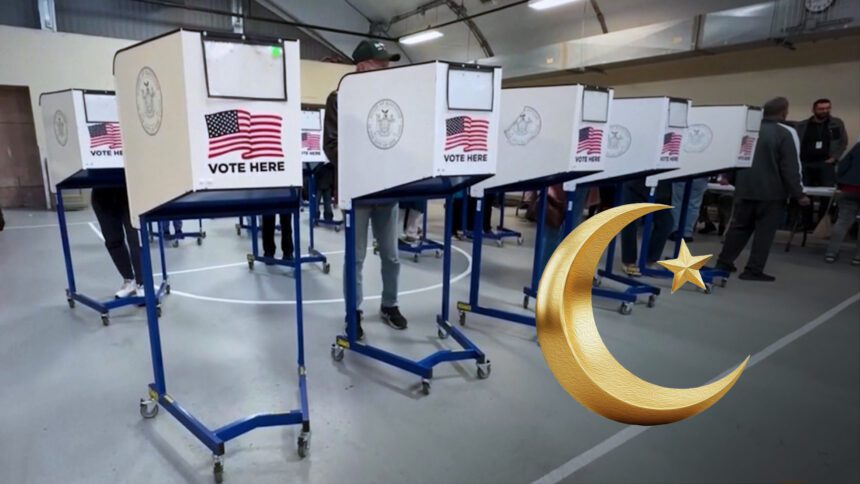
A political transformation is underway in the U.S., marked by historic electoral gains among Muslim candidates. With 42 Muslim Americans recently elected to public office, concerns about rising antisemitism and the implications of sharia law are gaining traction among some segments of the population. This momentum signals a potentially significant shift in the political landscape as mid-term elections approach.
Emerging Leaders and Controversies
In November, former political outsider Zohran Mamdani emerged as New York City’s mayor, heralding a new era of political representation for Muslim Americans. His victory is indicative of a larger trend, often referred to as the “Mamdani effect,” which suggests that growing Muslim influence could reshape future elections, particularly in states with powerful Muslim constituencies.
Activist and analyst Sam Westrop attributes this wave to a long-term strategy aimed at mobilizing the Muslim vote, arguing the developments are the result of years of groundwork laid by Islamist groups. He raises concerns about individuals like New Jersey’s Adam Hamawy, whose past links to radical groups have sparked debate about their qualifications and ideologies. Hamawy’s testimony in a 1995 terrorism trial and his volunteer work in Gaza have led to mixed reactions, highlighting the complexities behind the rise of Muslim politicians.
Concerns Over Antisemitism and Radical Agendas
Growing representation has fueled apprehension among various communities, particularly regarding potential radical agendas. Critics express fear that increased Muslim political representation may correlate with an uptick in antisemitic sentiments and radical ideologies. High-profile Muslim candidates, such as Chevalier and Kawas, are linked with the Democratic Socialists of America (DSA), which has raised alarms about a nascent ‘red-green alliance’ that could push for extensive governmental reforms. Westrop warns that, if Muslim candidates accumulate enough influence, they might pave the way for policies that could undermine American values and support for Israel.
Concerns also extend to the idea that sharia law could proliferate within segregated Muslim communities, drawing parallels to past experiences of Islamist movements in Northern England. The Sharia-Free America Caucus reflects these anxieties, emphasizing the potential for a segmented society and the radicalization of youth within isolated communities.
Why It Matters
The implications for American society are profound. The increasing political representation of Muslims challenges existing narratives around identity and governance in a religiously diverse nation. It raises questions about how laws might evolve when constituents with varying religious ideologies hold decision-making power. The dialogue surrounding sharia law and antisemitism could further polarize an already divided political landscape—impacting foreign policy, community relations, and even public funding decisions.
In this rapidly changing environment, understanding and engaging with diverse communities becomes crucial for ensuring a democratic process that reflects the complexities of the American populace. The transformative potential of these newly elected officials brings both opportunities for representation and challenges in navigating a diverse political discourse.
Frequently Asked Questions
What does the term ‘Mamdani effect’ refer to?
The ‘Mamdani effect’ denotes a perceived influence of Muslim candidates on upcoming U.S. elections, influenced by the electoral success of figures like Zohran Mamdani in significant political offices.
Are there concerns about the rise of antisemitism due to Muslim politicians?
Yes, some critics believe that increased representation by Muslim politicians could lead to heightened antisemitic rhetoric and policies, contributing to a rise in antisemitic hate crimes.
What is the Sharia-Free America Caucus?
The Sharia-Free America Caucus is a group launched in response to concerns that sharia law could proliferate within isolated Muslim communities, promoting legislation to keep sharia interpretations out of American law.
How might Muslim political representation affect U.S. foreign policy?
Increased representation could shift legislative priorities concerning foreign aid, particularly relating to Israel and other Middle Eastern nations, as newly elected officials may advocate for policies that reflect the interests of their communities.