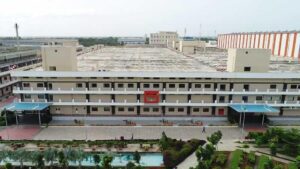
In a concerning development from Delhi, approximately 110 injured individuals, including both protesters and police personnel, have been admitted to RML Hospital following clashes at Jantar Mantar. Notably, a 21-year-old female protester is in critical condition in the ICU, drawing attention to the severity of the situation.
Details of the Injuries
The recent protests at Jantar Mantar have resulted in significant injuries, leading to around 110 people receiving treatment at the Ram Manohar Lohia (RML) Hospital. Hospital sources report that among the injured, 30 to 35 are police and Rapid Action Force (RAF) personnel. Many of the injuries are severe, with numerous protesters suffering from fractures in their arms and legs. The hospital has confirmed that they are providing necessary medical care, but the extent of injuries reflects the intensity of the clashes.
Particularly alarming is the condition of a 21-year-old girl from Uttam Nagar, who remains in the ICU and has not regained consciousness. Her status underscores the potential life-threatening consequences faced by those involved in the protests, raising critical questions about the circumstances surrounding the incidents that led to these injuries.
Context of the Protests
The protests at Jantar Mantar are part of a larger movement that has been gaining momentum in recent times. Participants, primarily from various marginalized communities, are voicing their grievances over issues such as social injustice and systemic inequality. The location, Jantar Mantar, is historically significant as a site for protests in India, often used by citizens to express dissent against government policies.
These recent demonstrations have sparked heated debates within the political landscape, drawing attention from both supporters and critics of the protestors’ causes. The clash between the police and protesters not only escalates tensions on the ground but also raises alarm regarding the broader implications for civil liberties and the right to protest in India. The failure to peacefully resolve these issues hints at deeper societal divisions that warrant urgent address.
Responses from Officials and Observers
The response from government officials has been notably muted amid the chaos, which is raising eyebrows among political commentators and citizens alike. Calls for accountability and a transparent investigation into the clashes are growing louder, especially in light of the injuries reported and the serious condition of the female protester. Advocates urge that authorities must ensure that the right to protest is safeguarded while also maintaining public order.
Political commentators are keenly observing how this incident will impact public sentiment and the government’s approach to handling dissent. With elections approaching, the government faces increasing pressure to substantiate its commitment to the rule of law while addressing the grievances presented by protestors. The political landscape may see significant shifts depending on how these events are managed and perceived.
Why This Matters
The events unfolding at Jantar Mantar highlight critical issues in Indian society, including the struggle for civil rights and the safety of individuals engaging in protest. The serious injuries and conditions of those involved reflect not only personal tragedies but also a broader commentary on the state of governance and civil liberties in India. With ongoing discussions regarding social justice, the political ramifications of these protests could shape public policy and electoral outcomes in the near future.
Moreover, the handling of this situation by authorities will likely influence how future protests are perceived, both domestically and internationally. As India seeks to reinforce its democratic credentials, ensuring the protection of its citizens’ rights to assemble and speak out becomes increasingly significant.
Frequently Asked Questions
What caused the protests at Jantar Mantar?
The protests were triggered by ongoing grievances related to social injustice and systemic discrimination affecting various marginalized communities in India.
How are the injured individuals currently being treated?
Around 110 injured individuals, including both protesters and police personnel, have been admitted to RML Hospital where they are receiving necessary medical care.
What is the condition of the individuals in the hospital?
Among the injured, a particularly concerning case is that of a 21-year-old female protester who remains in critical condition in the ICU, having not yet regained consciousness.
What are the broader implications of these clashes?
The clashes highlight significant societal issues regarding civil liberties and the right to protest, raising questions about government responses and the potential for political change in the near future.