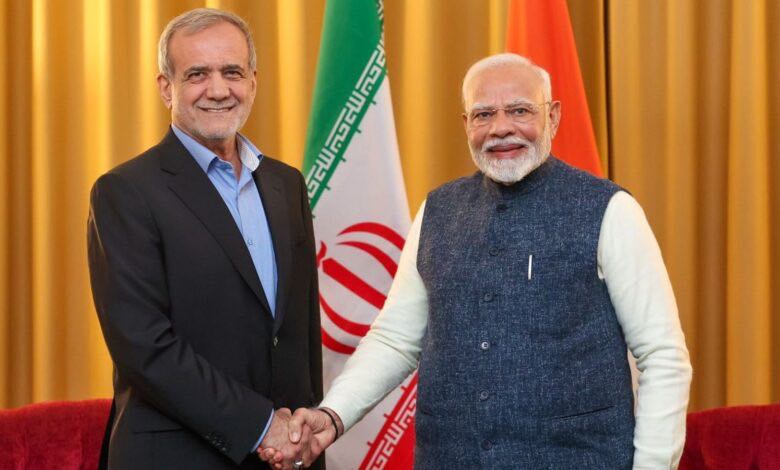

Prime Minister Narendra Modi’s recent conversation with Iranian President Dr. Masoud Pezeshkian highlights ongoing diplomatic efforts concerning regional tensions in West Asia. The dialogue touches upon crucial topics, including the importance of navigation safety in the Strait of Hormuz, which directly impacts India’s energy imports and trade.
Key Developments in West Asia
In a call on Tuesday, President Pezeshkian updated PM Modi on current developments in West Asia, emphasizing the need for dialogue amid rising regional tensions. Modi welcomed the recent understanding reached in ongoing negotiations, reaffirming India’s position that all disputes should be settled through peaceful means. The relationship between India and Iran remains significant, especially in light of the strategic partnerships both nations are trying to build in a complex geopolitical landscape.
Importance of the Hormuz Strait
The Strait of Hormuz is a critical maritime artery through which a significant portion of India’s energy supplies pass. PM Modi stressed the need for freedom of navigation in this region during his discussion with the Iranian leader. He outlined that the safety of navigation and commercial activities must remain a priority to ensure national and global economic stability. Moreover, the Prime Minister’s efforts to engage with Iran underscore India’s commitment to maintaining its energy security in a volatile regional environment.
Invitation to Iran’s Significant Ceremonies
During the call, President Pezeshkian extended an invitation to PM Modi to attend the burial ceremonies of Iran’s late Supreme Leader, Ayatollah Ali Khamenei, scheduled from July 5 to 9. In response, the Indian government plans to send a high-level delegation, including Bihar Governor Lt Gen (Retd) Ata Hasnain and Minister of State for External Affairs Pabitra Margherita. This invitation signifies not only the strong diplomatic ties between India and Iran but also reflects India’s efforts to be part of significant historical moments in Iran, thereby showcasing a nuanced approach in its foreign policy.
Why It Matters
The significance of this diplomatic engagement between India and Iran extends beyond bilateral relations. For the global community and policymakers, it reflects the increasingly complex dynamics in the West Asian region. As tensions continue to rise, the involvement of major powers in peace discussions becomes critical to maintaining stability. This dialogue can serve as a model for other countries looking to navigate their relationships in the context of regional conflicts. Furthermore, the importance placed on the free navigation of maritime routes emphasizes how global trade and energy security are inextricably linked to diplomacy.
Frequently Asked Questions
What are the implications of the Hormuz Strait for global trade?
The Strait of Hormuz is considered one of the world’s most vital shipping lanes, with approximately 20% of global oil trade passing through it. Any disruption in this region can have significant ramifications for global energy prices and supply chains.
How does India benefit from its relationship with Iran?
India’s relationship with Iran is crucial for energy security, as Iran is one of India’s key oil suppliers. Additionally, cooperation with Iran provides India strategic leverage in balancing relationships with other countries in the region.
What role does dialogue play in international relations?
Dialogue is essential for resolving conflicts and reducing tensions between nations. Open communication channels can lead to mutual agreements and understanding, thereby fostering peace and stability in volatile regions.
Why is India’s engagement in West Asia significant?
India’s engagement in West Asia is significant as it seeks to enhance its influence in a region marked by geopolitical complexities. By actively participating in regional dynamics, India aims to safeguard its interests and contribute to lasting peace efforts.