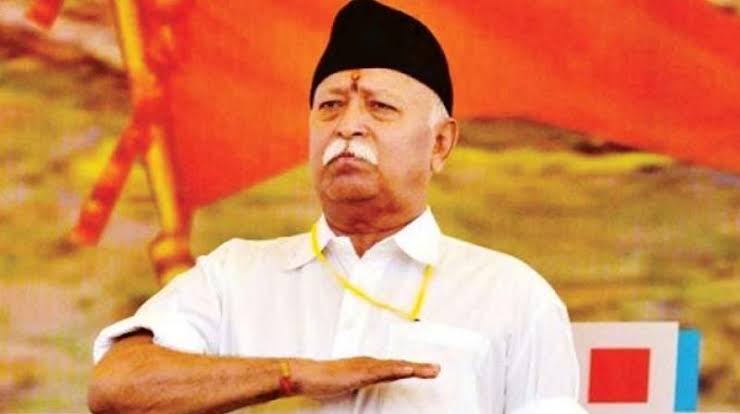

As Indian Americans gather for the “Universal Oneness Celebrations” featuring Mohan Bhagwat, leader of the Rashtriya Swayamsevak Sangh (RSS), it’s crucial to examine the underlying implications of this event. While framed around themes of unity and civic responsibility, the RSS’s politicized identity raises significant concerns about its impact on marginalized communities in India, particularly Muslims, Christians, and Dalits.
The RSS: A Political Entity Distorted as Hinduism
The RSS does not represent Hinduism, but rather, it embodies Hindutva—a political ideology introduced by Vinayak Damodar Savarkar in 1923. Hindutva differentiates itself from Hindu Dharma, the authentic faith that reflects the rich diversity of Hindu beliefs. The organization’s nationalist agenda inherently questions the identity of Muslims, Christians, and other minorities within India. Misrepresenting Hindutva as Hinduism not only undermines the practice of millions but also reinforces a dangerous narrative that limits the definition of Indian identity. When Bhagwat appears as a unifying figure, it is essential to frame him as a leader of a nationalist organization rather than a religious spokesperson.
The Violent Roots of Hindutva
The RSS is the ideological progenitor of the Bharatiya Janata Party (BJP), India’s ruling political party, led by Prime Minister Narendra Modi. Modi’s past speaks volumes; he was denied entry into the United States for nearly a decade due to his complicity in the 2002 Gujarat riots, which resulted in the deaths of thousands of Muslims. The organization under which he served has a history of promoting anti-Muslim violence, making it all the more troubling that Bhagwat’s visit is being presented through a lens of unity while ignoring the violent actions of its affiliates. This paradox underlines the need for deeper scrutiny of the celebratory narratives surrounding the event.
Rebranding Hindutva: A Strategy of Deception
In its engagement with American audiences, the RSS has adeptly crafted a softer image, focusing on cultural performances and vague commitments to pluralism while failing to address its track record on religious minorities. Instances of mosque demolitions and human rights violations against Muslims have sharply increased under BJP rule, while Bhagwat’s rhetoric, including references to a historical “war” against Hindu society, raises questions about the intent behind claims of unity. This carefully curated presentation suggests a deliberate effort to reshape perceptions of a legacy steeped in division and hate, highlighting the necessity for accountability from those who claim to foster unity.
Why It Matters
The rebranding efforts of the RSS and BJP in the context of their treatment of minorities have broader implications for democratic principles, religious freedom, and social cohesion. Understanding the distinction between Hindutva and Hinduism is vital, as it contributes to the fight against prejudice and discrimination in an increasingly globalized society. Awareness of these issues can inform policymakers and global citizens about the complex dynamics within India, urging a more nuanced dialogue about identity, nationalism, and social justice.
Frequently Asked Questions
What is the RSS?
The Rashtriya Swayamsevak Sangh (RSS) is a Hindu nationalist organization in India that aims to promote Hindutva as a cultural and political ideology, often associated with the Bharatiya Janata Party (BJP).
How does Hindutva differ from Hinduism?
Hindutva is a political ideology that seeks to define Indian identity based on a specific interpretation of Hindu nationalism, while Hinduism is a diverse faith practiced by millions, encompassing various beliefs and traditions.
What is the significance of Mohan Bhagwat’s U.S. visit?
Bhagwat’s visit aims to engage with Indian Americans and reshape the narrative around RSS, presenting a vision of unity and civic responsibility amidst a backdrop of criticism regarding human rights abuses against minorities in India.
Why is this event controversial?
The event has garnered criticism for attempting to whitewash the historical and ongoing discrimination faced by Muslims, Christians, and Dalits in India under the auspices of the RSS and BJP, raising concerns about the authenticity of its claims to promote unity.