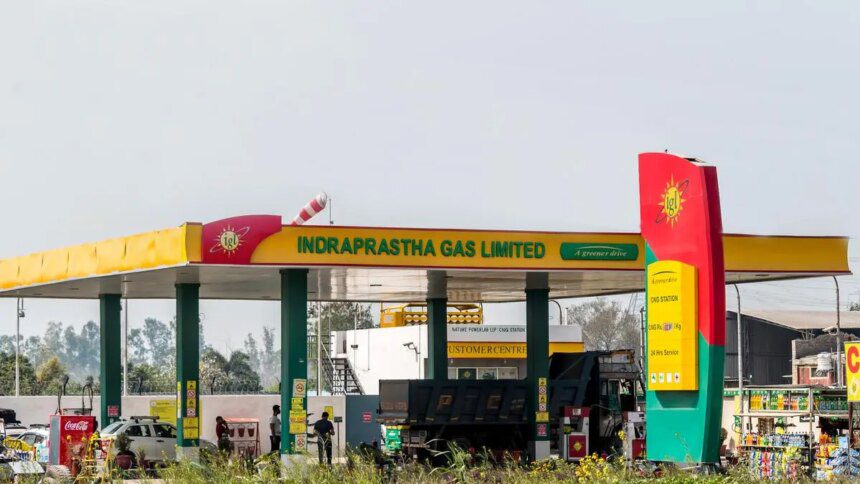

Indraprastha Gas Ltd (IGL) announced a significant increase in the price of Compressed Natural Gas (CNG) in Delhi and surrounding areas, set to take effect from 6 am Saturday. The price will rise by Rs 3.89 per kg, primarily driven by increasing costs associated with imported Liquefied Natural Gas (LNG).
Details of the Price Hike
The revised price of CNG will impact consumers in Delhi as well as adjoining regions, marking the latest adjustment amid fluctuating global energy prices. IGL’s decision comes after observing a substantial rise in international LNG rates, influenced by ongoing geopolitical tensions in West Asia. The company has attributed this surge to the costs associated with sourcing input gas from the international market.
In its public statement, IGL emphasized that the company sources a significant portion of its gas for CNG from imports. The increase of Rs 3.89 per kg is seen as a necessary step to partly mitigate rising input costs. This change in pricing structure is a reflection of broader trends affecting energy prices in India, where consumers are feeling the pinch of rising fuel costs.
Factors Influencing the Increase
Several factors have contributed to this price adjustment. First, international market conditions significantly impact LNG prices. With the conflict in West Asia leading to uncertainty in energy supplies, demand has outpaced availability. This has been reflected in higher prices for LNG on global markets, which in turn affects local pricing for CNG in India.
Moreover, the Indian energy sector is also influenced by regulatory policies and domestic supply constraints, further complicating pricing stability. Many consumers have already been facing elevated fuel prices, and this latest increase adds to a series of adjustments that have occurred over recent years as global market conditions fluctuate.
The Landscape for Natural Gas in India
India has been striving to increase its reliance on natural gas as part of its energy mix, aiming for cleaner fuel alternatives compared to coal and oil. Natural gas, especially CNG, is considered a vital component in the country’s ambition to meet energy demands while also tackling air pollution issues. The rising costs of CNG could potentially hinder the growth in this sector, affecting vehicle owners using CNG as a fuel.
Moreover, there are discussions around expanding infrastructure to support more widespread use of natural gas. However, more expensive CNG could encourage a behavioral shift in consumers toward other energy sources unless mitigated by government directives or subsidies.
What This Means
The increase in CNG prices signifies the ongoing volatility in the Indian energy market and its susceptibility to global events. As India continues to import a significant portion of its gas, the correlation with international prices will remain a critical concern for consumers and policymakers alike. High CNG prices can impact transportation costs and consequently, rates for goods and services across sectors, making this a significant issue for the broader economy.
For consumers in urban areas relying on CNG for transportation, the price hike presents an additional financial burden, highlighting the need for strategic responses from both governmental and private sectors to stabilize energy prices. It also emphasizes the importance of diversifying energy sources to mitigate risks associated with geopolitical dynamics.
Frequently Asked Questions
What will be the new price of CNG in Delhi?
The new price of CNG in Delhi will be Rs 3.89 higher per kg, effective from 6 am Saturday.
Why is the price of CNG rising?
The rise is primarily due to increased costs associated with imported LNG, which have surged due to geopolitical tensions in West Asia affecting global market rates.
How often does Indraprastha Gas Ltd revise CNG prices?
IGL regularly revises CNG prices based on fluctuations in international LNG costs and input gas availability, along with changing market conditions.
What can consumers do in response to rising CNG prices?
Consumers may consider exploring alternative fuel options, using public transport more, or adjusting their travel patterns to mitigate the impact of rising costs.