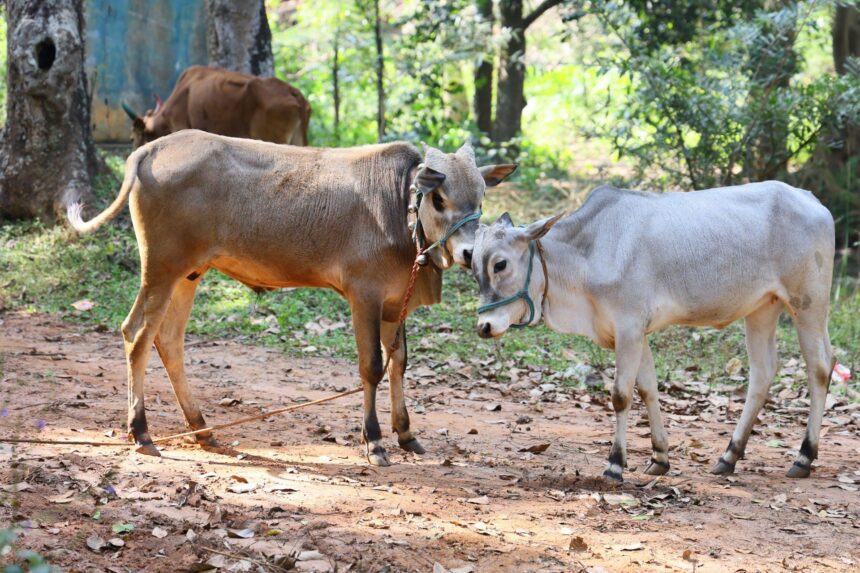

In a troubling incident from Maharashtra, India, a Dalit man was allegedly assaulted by individuals affiliated with Hindu vigilante groups for supposedly attempting to sell a bull to a Muslim butcher. The attack is part of a broader narrative that highlights the systemic discrimination faced by marginalized communities in India, especially in the context of rising Hindu nationalism.
Details of the Incident
The assault occurred on May 23 in the Jalna district but only gained visibility months later when a video of the incident circulated online. Parameshwar Suhas Hiwale, the victim, reported the incident to the police on August 21 after feeling compelled to do so when the video appeared on social media platforms.
Hiwale was returning from a cattle market with his son and an acquaintance when their vehicle was stopped by men claiming to be affiliated with the Bajrang Dal, a Hindu nationalist organization known for its cow protection efforts. After accusing Hiwale of planning to sell the bull to a Muslim butcher, they demanded his caste identity, which led to caste-based slurs, a physical assault, and the horrifying act of forcing cow dung into his mouth—a stark reminder of the violence often inflicted by caste-related animosities.
The Role of Caste and Religion in Violence
This incident illustrates the intersection of caste and religion in contemporary Indian society, where the Dalit community, historically marginalized and subject to discrimination, becomes vulnerable to violence when accused of transgressing religious boundaries. The attackers also attempted to force dung into the mouth of Hiwale’s 11-year-old son, an act that further deepens the societal divides and uses extreme forms of humiliation as a tool of control.
Police registered the case under various sections of the Indian penal code as well as the Scheduled Castes and Scheduled Tribes (Prevention of Atrocities) Act, demonstrating the legal system’s acknowledgment of caste-based violence. However, the fear of retaliation, as expressed by Hiwale, highlights the intimidation tactics employed by these groups to silence victims and maintain their control over caste hierarchies.
Wider Implications for Indian Society
Reports of violence against marginalized communities in India have been on the rise, often linked to the growing influence of nationalist ideologies endorsed by political parties such as the Bharatiya Janata Party (BJP). The normalization of cow vigilantism under these ideologies reinforces not only discrimination against Muslims but also against Dalits, creating an atmosphere of fear and exclusion.
The incident has triggered discussions about the increasing social polarization in India and the role of the state in safeguarding vulnerable populations. Public outcry following such events often leads to temporary media attention, but systemic issues remain deeply entrenched and require sustained advocacy for reform.
Why It Matters
This incident reflects broader socio-political dynamics in India that jeopardize social cohesion and human rights. The use of religion and caste as tools for violence underlines the critical need for legal reforms and protective measures for marginalized groups. As caste-based violence becomes a focal point for both sociologists and policymakers, understanding these contexts can inform better strategies for social justice and the safeguarding of human rights throughout the country.
Frequently Asked Questions
What is cow vigilantism?
Cow vigilantism refers to acts of violence committed by groups claiming to protect cows, which are regarded as sacred in Hinduism. These groups often target individuals suspected of transporting, selling, or slaughtering cows, especially if they are Muslims or belonging to lower castes.
What are the Scheduled Castes and Scheduled Tribes (Prevention of Atrocities) Act?
This law was enacted in India to prevent atrocities against members of scheduled castes and tribes. It aims to provide justice and legal recourse to victims of caste-based discrimination and violence.
How do caste and religion intersect in acts of violence in India?
Caste and religion often intersect in India, with violence frequently directed at marginalized communities such as Dalits and Muslims. Caste hierarchies complicate social interactions, leading to conflicts that can erupt into violence when boundaries are perceived to be crossed.
What are the consequences of such incidents for Indian society?
Such incidents contribute to the continuing marginalization and disenfranchisement of already vulnerable populations, creating a culture of fear and exclusion. They also hinder social progress and cohesion, deepening divides within Indian society.