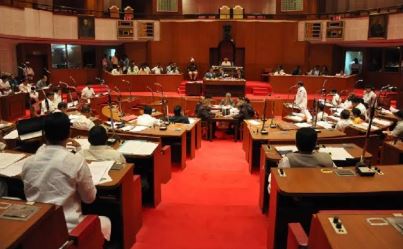

In a recent debate within the Maharashtra Assembly, the state’s Fisheries and Ports Minister Nitesh Rane asserted that reservation cannot be granted to Muslims solely on religious grounds. This statement highlights ongoing discussions regarding minority welfare and educational quotas in India, particularly amidst rising concerns of discrimination against Muslims under the current BJP ruling.
Context of Reservation for Muslims in Maharashtra
The topic of reservation refers to affirmative action policies that provide disadvantaged groups with access to education and employment opportunities. In Maharashtra, discussions have been reignited around the reservation for Muslim communities after Congress MLA Amin Patel advocated for a 10% educational quota for Muslim students. He emphasized the necessity of adhering to court directives that support such reservations. This demand reflects a broader struggle faced by minority groups in securing equitable access within the educational framework.
Government’s Response to Minority Welfare Concerns
Responding to the debate, Food and Drug Administration Minister Narhari Zirwal acknowledged the issue, stating that the government would act in accordance with the directives provided by the court. However, Rane’s intervention emphasized a critical viewpoint that any reservation must be based on caste rather than religion, reaffirming a contentious stance that could further marginalize Muslim communities seeking educational support. Rane stated, “Reservation cannot be given to Muslims on the basis of religion. However, if any person from the community qualifies for reservation on the basis of caste, they can receive the benefit according to the Constitution and law.”
Criticism of Government’s Attention to Minority Issues
During the same assembly discussions, concerns over pending scholarships for minority students were raised by Samajwadi Party MLA Abu Azmi, who demanded immediate action from the government to release the funds. This highlights another critical dimension of the challenges faced by Muslim students, who, despite their eligibility, encounter bureaucratic hurdles in accessing necessary financial support. Additionally, Congress MLA Amit Deshmukh criticized the Minority Development Department for its perceived lack of focus on essential projects, such as the establishment of an Urdu Bhavan and educational institutions, which could potentially promote inclusivity and support for minority students.
Why It Matters
The implications of the Maharashtra Assembly’s discussions on reservation for Muslims extend beyond local politics, reflecting a broader narrative of social exclusion and discrimination that affects various minority communities in India. By denying reservation solely based on religious identity, the state government is adhering to a framework that may further marginalize these communities and prevent them from accessing vital educational resources. The pushback against educational quotas raises questions about equality before the law and the commitment to upholding rights for all communities as enshrined in the Indian Constitution. As educational and social disparities widen, the economic mobility for marginalized groups remains severely hampered, raising urgent questions about social justice and inclusion in a rapidly evolving Indian society.
Frequently Asked Questions
What is the current stance of the Maharashtra government on Muslim reservations?
The Maharashtra government, through Minister Nitesh Rane, has stated that reservations cannot be provided solely based on religion, insisting that any reservations must be linked to caste qualifications.
What was the reaction to the demand for a 10% quota for Muslim students?
Congress MLA Amin Patel raised this demand during the assembly discussions, citing court orders that support educational reservations for Muslims, but the government has not committed to such measures.
Are there any pending issues related to minority scholarships in Maharashtra?
Yes, MLA Abu Azmi has pointed out that many scholarships for minority students are pending, requesting the government to expedite the release of these funds to aid those in need.
What initiatives are lacking for minority welfare according to critics?
Critics, including Congress MLA Amit Deshmukh, have pointed out that the Minority Development Department is neglecting important projects like the establishment of Urdu Bhavans, libraries, and residential schools to support minority education and culture.