Summary
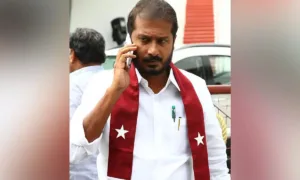
In a recent statement, Ansari, a representative of the Dravidar Kazhagam, expressed concerns over the government’s handling of social issues affecting Tamil Nadu, particularly in the context of the NEET examination, Sri Lankan Tamils, and local infrastructure projects. His remarks shed light on ongoing discrimination and bureaucratic challenges that often marginalize certain communities, including Muslims, under the current political climate dominated by the BJP and its affiliates.
Concerns Over NEET and Students’ Rights
Ansari voiced criticism of the government’s decision to deny permission for a Dravidar Kazhagam campaign opposing the National Eligibility cum Entrance Test (NEET). This examination has garnered significant backlash due to perceived inequalities in access and its impact on lower-income students, particularly in Tamil Nadu. Ansari highlighted that police presence near Periyar Thidal, a significant location for social movements, further represents state suppression of dissent. In Chennai, he noted, four students were on hunger strike, advocating for an Assembly resolution that would exempt Tamil Nadu from NEET’s requirements. This situation underlines the broader issues of educational access and rights of marginalized communities, often exacerbated by state policies.
Humanitarian Appeal for Sri Lankan Tamils
Ansari further called for Indian citizenship for Sri Lankan Tamils or at minimum, the right for them to return to their home countries. The prolonged stay of many Tamils in refugee camps highlights systemic neglect and societal exclusion. Ansari’s appeal underscores the plight of those displaced by conflict and challenges the government’s current immigration policies. By spotlighting this issue, he urges a re-evaluation of humanitarian principles in governance, especially concerning ethnic minorities.
Infrastructure Projects and Employment Concerns
Raising issues about the Rasimanal dam project proposed during Kamarajar’s regime, Ansari suggested this could serve as an alternative to the contentious Mekedatu issue. This position reflects the need for sustainable regional development that doesn’t discriminate against socioeconomic backgrounds. Moreover, he addressed the urgent salary and pension disputes affecting employees of Annamalai University, advocating for legal measures to restructure the institution’s land utilization for better funding. Such concerns exemplify the economic struggles faced by many workers, including those from marginalized communities, who often receive inadequate support from the state.
Social Justice and Legislative Reforms
Ansari’s proposed reforms extend to advocating for the release of eligible life convicts who have served 14 years, emphasizing that such decisions should transcend caste and religion. His push for an Assembly resolution opposing amendments to foreign funding laws affecting educational and social service entities underscores the need for inclusivity in social policies. Such laws could disproportionately impact institutions serving minority communities, including Muslims, thereby enforcing systemic inequalities.
Why It Matters
The discussions raised by Ansari highlight the socio-economic grievances prevalent in contemporary Indian society, particularly concerning marginalized communities like Muslims and Sri Lankan Tamils. These issues reflect the pressing need for an equitable approach to governance, addressing systemic discrimination and exclusion. For policymakers and social organizations, understanding these dynamics is crucial for developing inclusive policies that consider the diverse constituencies in India.
Frequently Asked Questions
What is NEET, and why is it controversial in Tamil Nadu?
NEET, the National Eligibility cum Entrance Test, is an entrance examination for medical courses in India. It’s controversial in Tamil Nadu as many believe it undermines local educational systems and disproportionately affects students from disadvantaged backgrounds.
What is the situation of Sri Lankan Tamils in India?
Sri Lankan Tamils in India, particularly in refugee camps, have faced long-term displacement since the civil conflict in Sri Lanka. Many seek citizenship in India or permission to return home, highlighting humanitarian concerns regarding their prolonged status as refugees.
How does the government address salary and pension issues for university staff?
The government has faced criticism for not adequately addressing salary and pension disputes for university employees. Advocates, like Ansari, are urging legal measures to ensure fair compensation and improve working conditions for these staff members.
What are the foreign funding laws affecting educational institutions?
Recent amendments to foreign funding laws impact the ability of educational and social service institutions to receive external funding. Critics argue these changes could limit resources for organizations serving marginalized communities, including Muslims.