
Controversy Surrounds Historic Jama Masjid in Bharuch
In India, the nearly 700-year-old Jama Masjid in Bharuch has become the focus of a heated dispute after a Hindu group alleged the presence of ancient idols within the mosque complex. Many in the Muslim community view these claims as part of a larger strategy used by Hindutva proponents to undermine Islamic places of worship, raising alarms about communal tensions and historical grievances.
Claims and Reactions: A Pattern of Tension
The claims about the Bharuch mosque have been made by the relatively obscure Shri Chakradhar Swami Janmasthal National Heritage Protection Committee, which argues that significant religious relics are concealed within the mosque and require immediate protection. In response to these assertions, local authorities have heightened security measures around the mosque and other sensitive areas in Bharuch to prevent potential unrest.
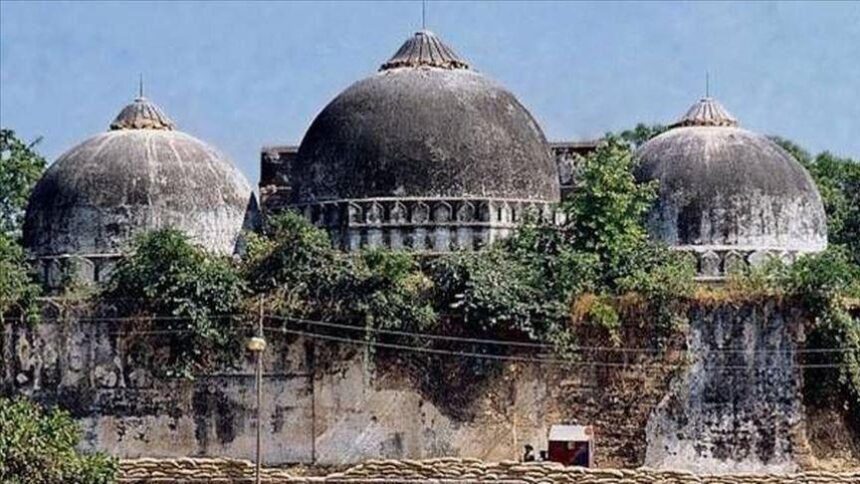
Muslim communities across India interpret such allegations not merely as harmless claims but as part of a classic strategy employed by Hindu nationalist groups. They point to past experiences, notably the demolition of the Babri Masjid in Ayodhya in 1992, where claims about the mosque being built on a Hindu holy site led to widespread violence and the eventual transfer of the land to Hindu litigants in 2019. Other recent disputes have included the Gyanvapi Mosque and the Kamal Maula Mosque, further laying the groundwork for fears among Muslims regarding their places of worship.
Controversy Over Historical Preservation or Covert Agenda?
The organization leading the Bharuch claims alleges to have a video showing damaged idols and artifacts within the mosque, supposedly captured with the presence of officials from the Archaeological Survey of India (ASI). Swami Mukteshwaranand, the campaign’s leader, emphasizes that their intent is to protect these relics, arguing that they do not oppose ongoing religious practices at the mosque.
However, the Jama Masjid Trust has strongly refuted the claims, highlighting issues of access permissions and questioning the legitimacy of the alleged video. Trustee Abdul Kamthi expressed concern that such disputes could unjustly inflame tensions within the community, as the mosque has hosted worshippers from diverse backgrounds for nearly seven centuries. He stressed that there is a pervasive fear that some groups might instigate conflict merely for political gain.
Government’s Role and Implications for Muslim Communities
The government’s reaction to such communal clashes often reflects a broader socio-political agenda that appears to marginalize Muslim communities. This dynamic is amplified by the ruling BJP’s long-standing association with Hindutva—a form of Hindu nationalism that positions Hindu identity at the center of India’s cultural narrative. Many Muslim leaders argue that these targeted controversies, which invariably arise before elections or during periods of heightened political activity, serve to divert attention from pressing socio-economic issues affecting marginalized communities.
Authorities in Bharuch have already sought to mitigate potential fallout from the latest controversy by increasing security. Nevertheless, the cycle of allegations and counter-claims might only sow deeper seeds of distrust, leading to longer-term social fragmentation among communities historically known for their coexistence.
Why It Matters
The implications of such controversies extend beyond local disputes; they reflect broader sociopolitical trends that could have lasting effects on community dynamics in India. The recurrent emphasis on alleged relics hidden within mosques suggests a growing normalization of communal friction that may destabilize interfaith relations. This is critical for government officials and civil society who advocate for peace, unity, and the protection of cultural heritage. A failure to address these issues can impede national cohesion and undermine democratic principles, adversely affecting social harmony.
Frequently Asked Questions
What sparked the controversy around Jama Masjid in Bharuch?
The controversy began when the Shri Chakradhar Swami Janmasthal National Heritage Protection Committee claimed that there were ancient idols and relics within the mosque, fueling concerns about communal tensions.
How have local authorities responded to the claims?
Local authorities have increased security around the mosque and sensitive areas in Bharuch to prevent potential unrest stemming from the allegations.
What do Muslim communities think about the allegations?
Many Muslim leaders view the allegations as part of a broader Hindutva strategy to undermine Islamic places of worship and create divisions between communities.
What has the Jama Masjid Trust said in response to the claims?
The Jama Masjid Trust has strongly disputed the claims, questioning the legitimacy of the video evidence presented and expressing concern about possible instigation of communal unrest.