
Tragic Assault Reflects Growing Tensions in India
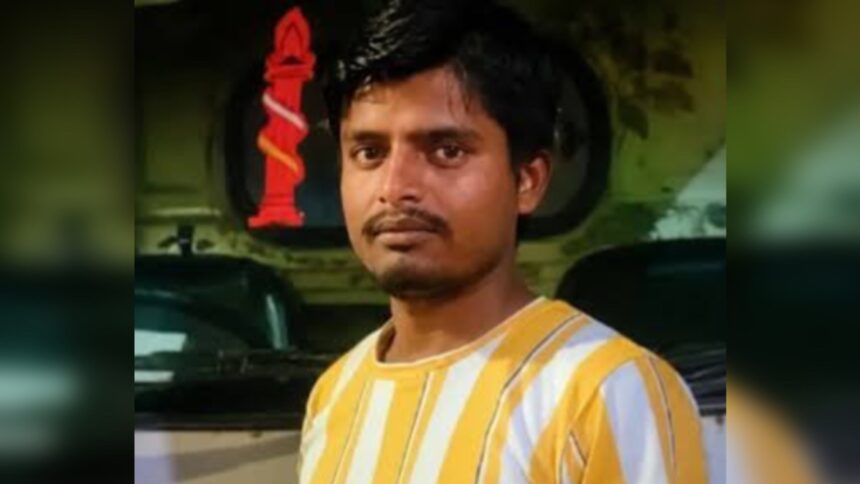
Azeem Ali, a 27-year-old Muslim pickup truck driver, died on August 4 after being brutally assaulted by a group of Kanwariyas in Uttar Pradesh’s Hapur district, following a road accident. This incident raises questions about the social dynamics and security of marginalized groups in India, particularly in the context of growing religious tensions.
Incident Overview: A Deadly Confrontation
Azeem was reportedly driving to Delhi when his vehicle collided with an auto-rickshaw carrying several Kanwariyas near the Shiva Dhaba area. The collision injured the auto-rickshaw driver, Farmaan, who was standing nearby. Eyewitnesses indicate that Kanwariyas reacted violently by dragging Azeem out of his vehicle and assaulting him severely, leading to his critical injuries.
The police initially took Azeem to a local hospital and later referred him to a larger facility in Meerut. His wife learned of the assault two days after it occurred and he was eventually shifted to Lok Nayak Hospital in Delhi, where Azeem remained in a coma for six days before succumbing to his injuries, highlighting the grave consequences of mob justice.
The Aftermath: Arrests and Charges
Following Azeem’s death, the Garhmukhteshwar police filed a First Information Report (FIR) based on a complaint from Azeem’s family. Five individuals, identified as Kanwariyas—Manish, Ankit, Lokesh, Shivam—and auto driver Farmaan were arrested alongside two unidentified individuals. They face multiple charges under the Bharatiya Nyaya Sanhita Act, including rioting and attempted murder.
In a troubling twist, a counter-FIR was lodged by Farmaan’s father, claiming that Azeem had initially struck and seriously injured his son, which has led to further complications. Authorities charged Azeem with attempted murder in this separate case, creating a complex legal landscape that leaves Azeem’s family seeking justice amid a web of allegations.
Social Implications: A Microcosm of Wider Issues
This incident is emblematic of the broader issues facing Indian Muslims, particularly in states governed by the Bharatiya Janata Party (BJP) and affiliated groups. Reports of discrimination, social exclusion, and violence against Muslims have increased, raising questions about communal harmony in a diverse nation. The drive towards majoritarianism, often associated with BJP policies, has intensified fears and grievances among minority communities.
Azeem’s family has expressed profound sorrow, with his elder brother questioning the rationale behind the violent mob action instead of legal recourse. The family, already facing the loss of its primary breadwinner, is left to grapple with social and economic marginalization in a society that increasingly divides along religious lines. Azeem is survived by a widow and their five-month-old son, further complicating the narrative of loss and injustice.
Why It Matters
The implications of Azeem Ali’s tragic story extend beyond individual tragedy, reflecting systemic issues that resonate with many marginalized communities. It serves as a wake-up call regarding the need for robust legal protections and social equity efforts. The incident encapsulates how discrimination can escalate into violence and highlights the failures of governance in ensuring safety and justice for all citizens, regardless of their religious backgrounds. For policymakers and social activists, such events underline the urgency for reform and reconciliation in a diversely populated society.
Frequently Asked Questions
What happened to Azeem Ali?
Azeem Ali died after being assaulted by a group of Kanwariyas following a collision between his vehicle and an auto-rickshaw in Hapur, Uttar Pradesh. The incident escalated into mob violence, resulting in severe injuries from which he ultimately did not recover.
What charges have been filed?
Five individuals involved in the mob attack on Azeem Ali have been arrested and face charges of rioting, voluntary injury, and attempt to murder under the Bharatiya Nyaya Sanhita Act. Additionally, Azeem has been charged with attempted murder in a counter-FIR initiated by the injured auto-rickshaw driver’s father.
How has Azeem’s family responded?
Azeem’s family has expressed their grief over their loss and has called for a fair investigation. They have highlighted the issues of violence and discrimination faced by Muslims in India, questioning the actions of the mob instead of seeking police intervention.
What are the broader implications of this incident?
This incident reflects ongoing issues of discrimination and social exclusion affecting Indian Muslims, particularly under governments that may promote majoritarian ideologies. It raises concerns about community safety, legal recourse, and societal harmony in a diverse population.