The Legacy of Division: Lessons from the German Experience
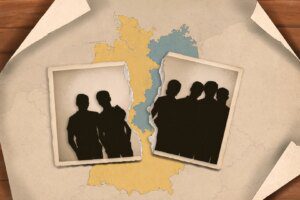
The story of the Guetinger family, divided by the political climate of post-war Germany, highlights the broader human impact of national divides. Their experience—not unlike some regional tensions in India—offers critical insights about identity, isolation, and the importance of family connections against the backdrop of political turmoil.
Historical Context of a Divided Germany
After WWII, Germany was beset by divisions that altered family dynamics and national identity. The country was split into East and West in 1949, a schism that shaped personal lives for decades. For example, Guetinger’s uncle, Hans, found his employment prospects severely limited in the post-war economy of West Germany, which prompted him to move to the East in search of a better life. His family settled in Brieskow-Finkenheerd in the German Democratic Republic (GDR), demonstrating the lengths people would go to in search of economic stability.
These historical divisions had profound social implications. With the establishment of the Berlin Wall in 1961, East and West Germany became physically and ideologically separated. The wall not only impacted political relations but deeply affected familial ties and interactions, resembling communal divides seen in India during its partition. For many like the Guetinger family, communication was restricted and monitored, revealing how state control can extend into the most personal realms of life.
Effects on Family Dynamics
The war’s influence on the family structure was evident. Guetinger’s father, Ernst, was the youngest of three sons, yet the age difference between him and his elder brother Hans created a chasm in their relationship. As Hans served in the military during wartime, and Ernst did not, their lives took distinct paths, leading to less frequent contact post-war.
This familial separation was exacerbated by the GDR’s restrictive policies, particularly after the construction of the Berlin Wall. Guetinger recalls the limited communication allowed between family members, where even letters were scrutinized by the Stasi, the secret police of East Germany. The emotional toll of these divisions resonates strongly with many Indians living through regional tensions, highlighting the importance of maintaining connections amidst adversity.
Despite challenges, Guetinger’s family managed to support one another through the exchange of goods. The Guetingers would send parcels containing Western products like coffee and blue jeans—items that were extremely coveted in the GDR. Such gestures reveal a shared resilience that transcended political borders, paralleling the support often seen in Indian diaspora communities as they navigate cultural barriers.
Modern Implications and Reflections
The fall of the Berlin Wall in 1989 marked a new era for Germany, allowing the Guetinger family to reconnect. However, the lasting effects of division remained, shaping their identities and sense of belonging. Guetinger reflects that his family’s emotional struggles were seldom discussed, pointing to a universal truth: the impacts of political division run deep and often go unacknowledged.
This historical narrative serves as a potent reminder for India, where regional divides often emerge in various forms. Whether through communal tensions or socioeconomic disparities, the lessons from the Guetinger family’s experience can guide discussions on reconciliation and unity. In modern times, reflecting on such histories may foster understanding and healing among communities in India dealing with their separations.
What This Means
The divide in post-war Germany and its effects on families like the Guetingers highlight the importance of communication and connection in overcoming political barriers. For Indian readers, this serves as a reminder of the resilience needed when facing social and political challenges, whether through regional divisions or inter-community tensions. The Guetinger family’s story also emphasizes the value of family ties and shared experiences in bridging gaps between fragmented societies. By acknowledging our history, we can work towards building a more inclusive future.
Frequently Asked Questions
What was the Berlin Wall and when was it built?
The Berlin Wall was a barrier constructed by East Germany in 1961 to prevent East Germans from fleeing to West Berlin and thus to West Germany. It served as a physical representation of the Cold War division.
How did families cope with the division in Germany?
Families often relied on letters, albeit closely monitored, and sent parcels containing Western goods to maintain connections. Emotional support was provided through small acts of kindness despite the barriers.
What were the implications of the GDR’s policies on personal freedoms?
The GDR’s policies severely restricted personal freedoms, including limited movement and strictly monitored communication, which deeply affected family ties and public trust.
How can this historical context provide lessons for India today?
The experience of division in Germany offers insights into the importance of unity, understanding, and maintaining personal connections amidst political or communal tensions, relevant to challenges faced in contemporary India.