
Proposed Out-of-Court Settlement in Mathura’s Shahi Idgah–Krishna Janmabhoomi Dispute
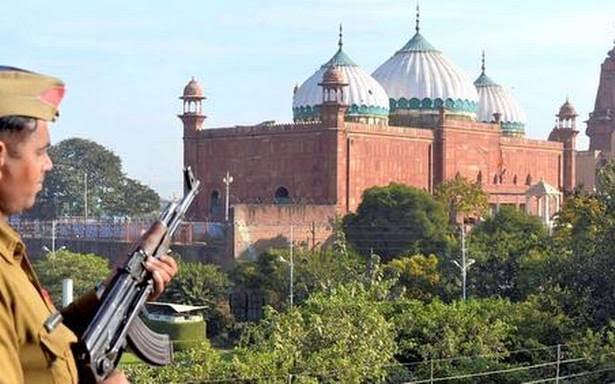
Tensions have escalated surrounding the controversial Shahi Idgah Mosque–Krishna Janmabhoomi dispute in Mathura, following a proposal by Dinesh Falahari Maharaj, president of the Shri Krishna Janmabhoomi Sangharsh Trust. His recent offer attempts to mediate a long-standing conflict by suggesting the relocation of the mosque to promote communal harmony.
The Offer Details
In a letter dated August 20, Falahari Maharaj proposed that the Shahi Idgah Committee consider an out-of-court settlement. This would involve relocating the mosque to a new site in Mewat, where the Muslim population is more significant. Included in the offer is 20 acres of land for the Muslim community and full funding for the construction of a new mosque. Maharaj argued that this solution aligns with preserving the traditions of Krishna’s devotees, who seek unobstructed worship at what they claim is the deity’s birthplace.
Framing his proposal as a means to foster communal peace, Maharaj referred to Mathura as a “city of love” and called on Muslim leaders to support this initiative. Notably, he reminded the Muslim community of their essential role in nurturing social brotherhood during contentious times.
The Legal Background
The current proposal emerges amid ongoing legal proceedings stemming from a 1968 agreement between the Shri Krishna Janmasthan Seva Sangh and the Shahi Idgah Committee. Both sides have historically relied on this document in their persistent legal tussles over mosque status and ownership. Hindu representatives have shown openness to negotiate, provided there is a preference for out-of-court solutions by the Muslim community.
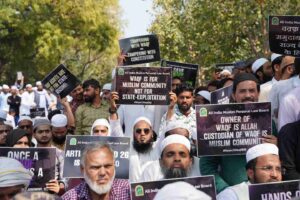
The Supreme Court of India has previously encouraged the involved parties to seek mediation to mitigate communal tensions. However, the Hindu side remains firm in its stance that any “illegal occupation” of the site must be rectified, while Muslim organizations persistently oppose alterations to the mosque’s status. This ongoing struggle underscores not just legal challenges but entwines with broader societal issues of discrimination and marginalization faced by the Muslim community in India.
The Broader Context of Marginalization
The proposal and its reception highlight the broader context of discrimination and social exclusion faced by Muslims in contemporary India, particularly under the governance of the Sangh Parivar and its affiliated organizations. Reports indicate increasing economic boycotts and social marginalization against Muslim businesses and community members amid rising communal tensions. Such legislation and proposed measures, often framed as steps toward communal harmony, can inadvertently exacerbate societal divisions, pushing Muslims further to the margins.
The discourse surrounding religious sites often results in communal identity politics, leading to amplified socio-economic disparities. The Hindu nationalist narrative often sidelines Muslim voices, portraying them as impediments rather than integral contributors to India’s diverse cultural fabric. This dynamic poses a significant challenge to social cohesion and economic equity, fostering an environment where religious identity becomes a divisive rather than a unifying factor.
Why It Matters
The implications of these developments extend beyond Mathura and resonate throughout India and the broader global Muslim community. The handling of this dispute may set a precedent for how religious minorities are treated in legal and socio-political contexts in India. As issues of identity and belief come to the forefront, the way in which the Indian government addresses and resolves such disputes may reflect its commitment to secularism and pluralism.
Furthermore, the proposal for relocation may influence perceptions among international observers regarding democracy, religious freedom, and human rights in India. Ultimately, how this situation unfolds can have lasting implications for community dynamics, political engagement, and the socio-economic landscape for Muslims across the country.
Frequently Asked Questions
What is the Shahi Idgah–Krishna Janmabhoomi dispute?
The Shahi Idgah–Krishna Janmabhoomi dispute involves claims over a site in Mathura, where Hindu devotees believe Krishna was born, while Muslims assert rights over the existing mosque located there.
What does the recent proposal entail?
The proposal from Dinesh Falahari Maharaj suggests relocating the Shahi Idgah mosque to Mewat and providing the Muslim community with land and funds for a new mosque.
Why is this proposal significant?
This proposal is significant as it seeks to address a long-standing legal and social conflict by promoting communal peace. However, it also reflects ongoing issues of marginalization and discrimination faced by the Muslim community in India.
What has been the response to the proposal?
The response has been mixed, with Hindu representatives indicating willingness to negotiate, while Muslim organizations have largely opposed any change in the mosque’s status.