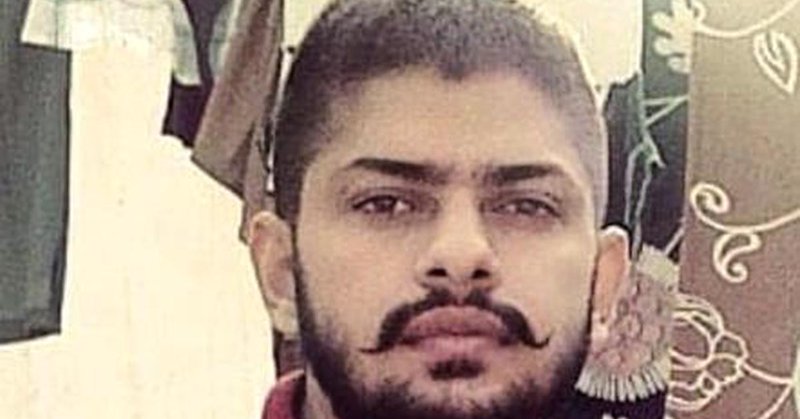

Recent claims from the U.S. Department of Justice (DoJ) allege that Lawrence Bishnoi, a notorious gangster from Punjab currently imprisoned in Ahmedabad, continued to engage in extortion activities using encrypted messaging applications like WhatsApp. The allegations suggest that these communications occurred as recently as December 2025 and January 2026, targeting victims in Los Angeles and Thousand Oaks for extortion of $5 million.
Allegations from the U.S. Department of Justice
The U.S. DoJ’s claims against Bishnoi have sparked widespread attention, particularly due to the apparent technological loopholes that would allow a high-profile inmate to engage in criminal activities from inside prison. The DoJ reports that Bishnoi utilized WhatsApp to communicate with accomplices regarding extortion attempts, directly contradicting the assurances of prison authorities about the stringent measures taken to prevent such illicit communications.
Bishnoi’s lawyer has contested the allegations, asserting that he is in solitary confinement and is under constant surveillance, which raises questions about how such communications were possible. The Ministry of Home Affairs (MHA) has imposed special provisions to greatly restrict Bishnoi’s movements, reinforcing the inconsistency between the claims of the U.S. authorities and the measures outlined by Indian officials.
Background on Lawrence Bishnoi
Lawrence Bishnoi is a well-known criminal figure linked to various gang-related activities in India. His notoriety skyrocketed with connections to violent crimes, including extortion, from a young age. Born in Punjab, he has been involved in several high-profile cases, leading to his incarceration, where he has continued to be a significant concern for law enforcement agencies.
Bishnoi’s gang has been implicated in numerous international crimes, and his interactions with organized crime networks have extended far beyond Indian borders. The growing influence of Indian gangsters on international crime fronts is drawing attention from law enforcement agencies worldwide, including the U.S., and the current allegations against Bishnoi may not be the last in this emerging trend.
Implications for India and Law Enforcement
The allegations from the U.S. DoJ pose a significant challenge for Indian authorities, questioning the integrity of the prison system and its ability to ensure that high-risk inmates do not continue their criminal enterprises from behind bars. This situation highlights a critical assessment of whether current safeguards are sufficient to prevent misuse of communication technology within prisons.
Furthermore, it emphasizes the need for coordinated international law enforcement collaboration, as such cases undermine India’s efforts to combat organized crime. The potential repercussions could lead to stricter regulations and oversight within the Indian penal system, as well as increased scrutiny from agencies like the National Investigation Agency (NIA), who have previously raised alarms about Bishnoi’s activities.
Why This Matters
The implications of the U.S. DoJ’s claims stretch far beyond a single case involving an infamous gangster. They bring to light significant issues around crime, technology, and the effectiveness of law enforcement in protecting national security. For Indian citizens, this situation raises questions about the safety of the justice system and its ability to hold dangerous individuals accountable.
It also opens up a discussion about the capabilities and limitations of prison systems in handling modern threats posed by technology. The potential erosion of public trust in law enforcement agencies can have lasting repercussions for governance and civil society.
Frequently Asked Questions
What are the main allegations against Lawrence Bishnoi?
The U.S. DoJ claims that Bishnoi allegedly used WhatsApp to extort money from victims in the U.S., targeting amounts as high as $5 million, despite being imprisoned under tight security measures.
How has the Indian government responded?
As of now, both the Gujarat government and the MHA have refrained from officially commenting on the U.S. DoJ’s claims regarding Bishnoi’s activities from within prison.
What measures are in place to prevent such incidents in Indian prisons?
Indian authorities have invoked special provisions to limit inmates’ movements and enhance surveillance. However, the effectiveness of these measures is under scrutiny following the recent allegations.
Why is this issue significant for India?
This situation exemplifies broader concerns regarding organized crime, technology misuse, and law enforcement efficacy in India, which can lead to societal distrust in public safety systems.