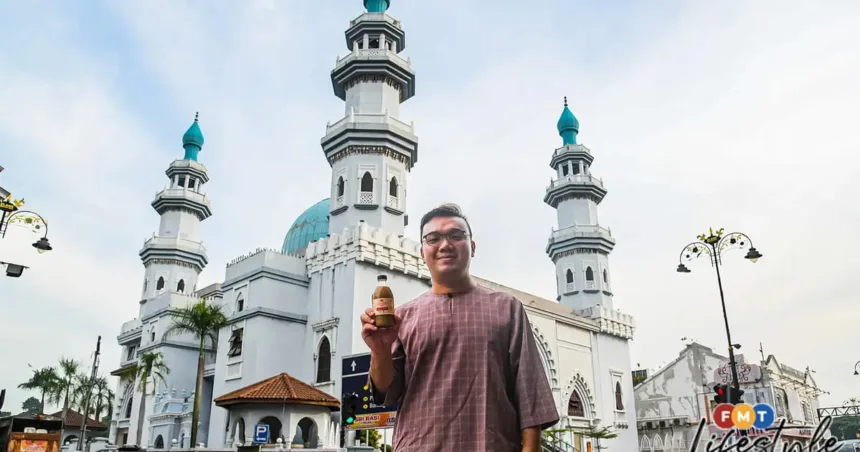

David Kan, a third-generation owner of Choon Guan Hainan Coffee in Klang, Malaysia, seeks to uplift his community through innovative initiatives, despite the challenges facing the Indian Muslim population in a politically tense environment. His initiative, the Klang Latte, uses a simple beverage to promote the rich cultural diversity of Klang while simultaneously providing a platform for discussions about social inclusion and economic resilience among marginalized communities.
The Cultural Landscape of Klang
Klang, known for its multicultural identity, is home to a diverse array of communities, including the Indian Muslim population. The Masjid India Muslim Tengku Kelana serves as a testament to the presence and contributions of Indian Muslims in the area. However, tensions can arise from political narratives that paint immigrants and minority communities in a negative light, further marginalizing these groups.
In recent years, Indian Muslims in Malaysia have faced instances of discrimination and exclusion, often coupled with broader socio-economic challenges. Despite this, local initiatives, such as the one led by Kan, aim to break down barriers and foster understanding among different ethnic groups.
Innovative Business Strategies to Uplift Communities
Kan’s decision to introduce the Klang Latte—a bottled coffee drink—was motivated not only by business expansion but by the desire to highlight Klang’s cultural richness. Each bottle features labels showcasing ten significant locations that embody the town’s diverse history and traditions. This approach has garnered attention from both locals and visitors alike, encouraging them to explore Klang’s heritage.
Kan’s initiatives, such as offering free meals to the needy and standardizing kitchen procedures, empower not only his business but also the community. His efforts demonstrate that economic sustainability and social responsibility can coexist, a concept that is particularly important in regions where marginalized communities face economic boycotts and social exclusion.
Bridging Local Culture and Visitor Experience
The Klang Latte not only serves as a drink but also as an ambassador for Klang’s cultural offerings. From the bustling streets of Little India to the significant historical sites highlighted on the bottles, each label encourages individuals to engage with and appreciate the local culture. This initiative aims to dismantle stereotypes and promote a deeper understanding of the challenges faced by the Indian Muslim community in Klang.
By attributing meanings to mundane products, like a coffee drink, Kan’s approach helps to promote goodwill among diverse groups, allowing conversations about identity, belonging, and social acceptance to unfold within a shared space. It brings attention to the fact that understanding cultural diversity is not just important—it is essential for community cohesion.
Why It Matters
The initiatives led by local leaders like David Kan illuminate the broader implications of cultural representation and economic opportunities for minority communities. As globalization continues to impact local cultures, these grassroots movements emphasize the importance of preserving cultural identities while fostering economic resilience. Understanding these dynamics helps inform policymakers and community leaders about the necessity of inclusive practices and policies that combat discrimination and social exclusion.
For the technology and AI sectors, such initiatives signal an opportunity for developing applications that can analyze social dynamics and offer solutions for fostering community engagement. Recognizing the nuanced experiences of marginalized groups allows for the creation of more inclusive, empathetic technologies that prioritize social good.
Frequently Asked Questions
What is the Klang Latte initiative about?
The Klang Latte initiative, spearheaded by David Kan, uses a bottled coffee product to highlight ten significant cultural locations in Klang, working to promote local tourism and cultural awareness.
How does the Klang Latte contribute to the local economy?
By encouraging visitors to explore Klang’s cultural offerings and supporting local businesses, the Klang Latte serves as a vehicle for economic sustainability, aiming to uplift marginalized communities.
What challenges do Indian Muslims in Malaysia face today?
Indian Muslims in Malaysia have encountered discrimination, social exclusion, and economic challenges that impact their representation and participation in the broader socio-economic landscape.
Why is cultural representation important for marginalized communities?
Cultural representation is vital as it fosters understanding, combats stereotypes, and creates a space for dialogue about identity, belonging, and equality—essential elements for community cohesion.