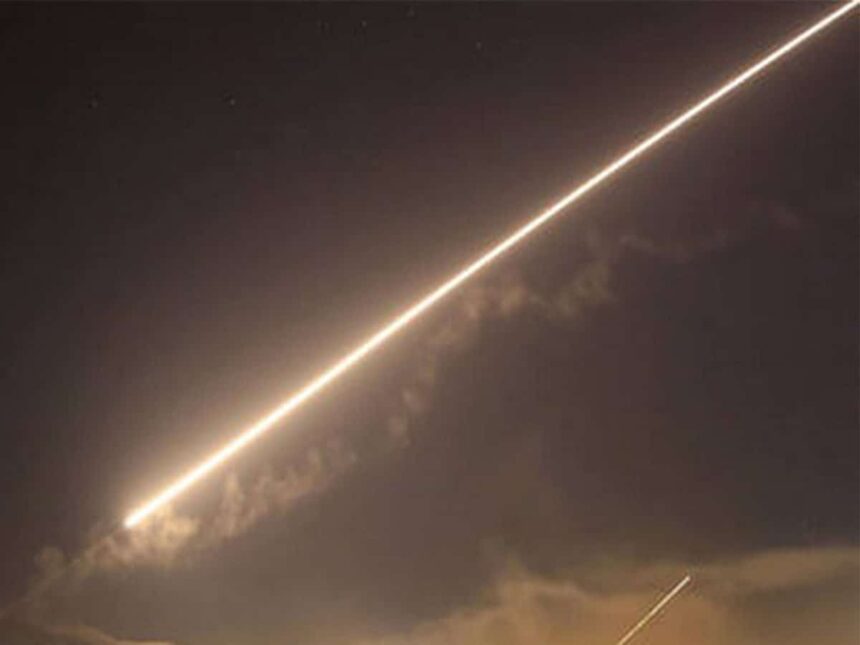

On August 12, the Israeli military conducted a targeted drone strike in Beit Lahiya, northern Gaza, identifying the target as a Hamas commander. This strike marks Israel’s first confirmed military action since August 3, maintaining its military presence despite ongoing international peace efforts aimed at halting such operations.
Military Actions Amidst Peace Efforts
The drone strike has garnered significant international attention in the wake of U.S. President Donald Trump’s peace proposal for Gaza. The deal aimed to foster dialogue by suggesting a halt to targeted military operations and included provisions for Hamas to decommission its weapons. Yet, Israeli Prime Minister Benjamin Netanyahu has categorically dismissed these proposals, asserting that Hamas must fully disarm before Israel will entertain any agreement.
This ongoing tension is indicative of the challenges facing peace advocacy groups, such as those associated with the Board of Peace. These organizations have consistently urged Israel to suspend military actions to facilitate the negotiation process. In the recent strike, the Israeli military did not confirm the status of the targeted individual and provided limited information, illustrating the opaque nature of military engagement in the region.
Impact on Civilian Casualties and Health Services
The repercussions of military strikes extend beyond tactical advantages; they significantly affect civilian populations. Following the drone strike, medical facilities, including Shifa and Nasser hospitals, reported the admission of four injured individuals. The Health Ministry in Gaza has tallied over 45 casualties in the region since August 1, raising serious humanitarian concerns.
As violence escalates, hospitals struggle to manage the influx of injured civilians, putting additional strain on an already taxed health care infrastructure. For residents, the continuous cycle of violence exacerbates health and safety risks, further diminishing quality of life in conflict zones.
The Fragile State of Diplomatic Efforts
The drone strike serves as a stark reminder of the fragile nature of diplomatic negotiations in the face of active military operations. While international actors continue to promote peace talks, the reality on the ground remains one of confrontation and retaliation.
As highlighted by both U.S. and local responses, there exists a disconnect between diplomatic initiatives and military realities. The calls from peace advocates for restraint, amid continued armed actions, reveal the challenges faced by policymakers trying to navigate a path toward lasting peace. Observers fear that without substantive measures to address the recurring hostilities, prospects for successful negotiations will remain bleak.
Why It Matters
The ongoing military actions and the subsequent challenges to peace negotiations are critical for understanding the broader geopolitical implications in the region. As new layers of complexity emerge, including international diplomatic maneuvers, the sustained violence poses risks not only to local civil populations but also to international stability. For diplomatic users and policymakers, the situation underscores the importance of a multi-faceted approach that addresses both immediate humanitarian needs and long-term political solutions, paving the way for inclusive dialogue among all stakeholders.
Frequently Asked Questions
What was the nature of the Israeli military’s recent drone strike?
The Israeli military targeted a Hamas commander in Beit Lahiya, northern Gaza, marking its first confirmed strike since August 3.
What were the implications of the U.S. peace proposal?
The U.S. proposal aimed to promote peace by halting targeted military operations and requiring Hamas to decommission its weapons; however, it was rejected by Israeli Prime Minister Benjamin Netanyahu.
How many casualties have been reported in Gaza since August 1?
According to the Health Ministry in Gaza, 45 people have been killed in the territory since August 1.
What challenges do hospitals face in Gaza during conflicts?
Hospitals in Gaza, like Shifa and Nasser, struggle with the influx of injured civilians due to military actions, increasing the strain on their already limited resources and healthcare capabilities.